
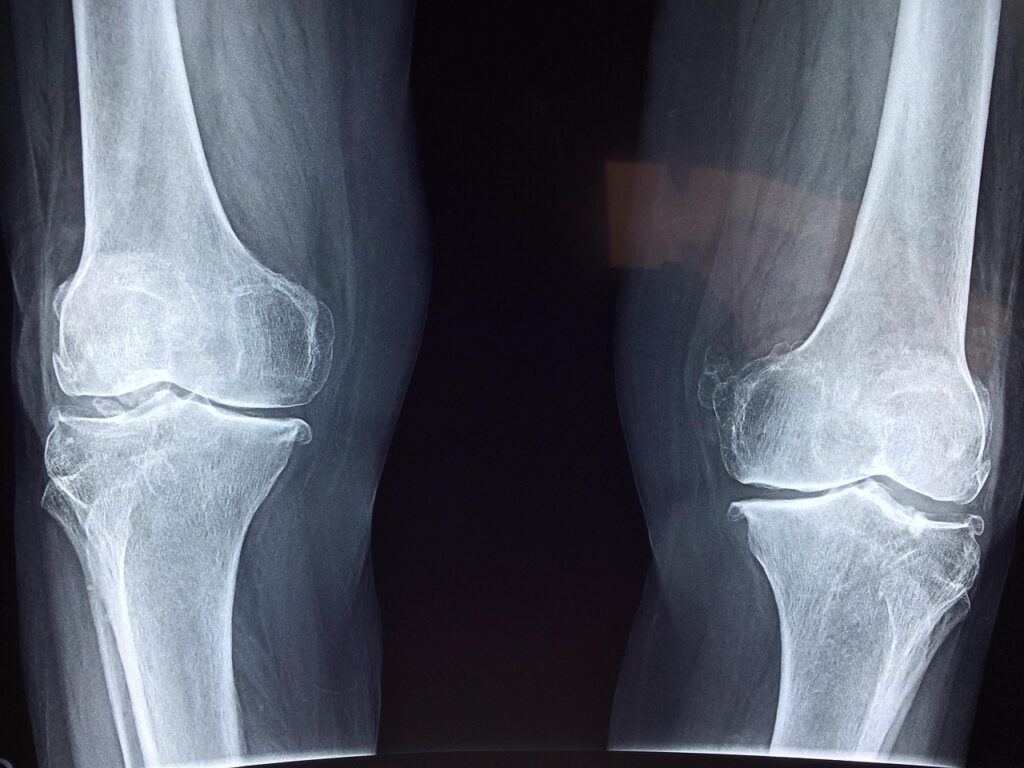
New orthopedic implants are changing how surgeons, clinics, and medical buyers look at joint replacement, trauma fixation, and spinal support. When you compare modern implants with older designs, the point is not whether the device looks new. The point is whether its material, surface, size range, clinical record, and supply support match the patient and the surgery.
Orthopedic implants work in a hard environment. They have to carry load, connect with bone, resist corrosion, and stay stable for many years. A hip stem may go through millions of walking cycles. A trauma plate may need to hold bone position until healing is strong enough. A knee insert has to move smoothly every day, even when the patient does not follow every discharge instruction. Modern designs can help, but they do not remove the need for evidence, surgical skill, and regular follow-up.

What Makes New Orthopedic Implants Different Today?
Most new implant designs focus on three practical points: better bone contact, lower wear, and closer fit. These points sound basic, but each one depends on material choice, process control, and feedback from real operating rooms.
Better Surface Engineering
Surface design is one of the clear changes in modern orthopedic implants. Many hip, knee, spine, and trauma systems now use porous coatings, roughened textures, or modified metal surfaces to help bone attachment or cement bonding. The U.S. FDA guidance for orthopedic implants with modified metallic surfaces asks sponsors to describe material composition, trace elements, microstructure, corrosion behavior, surface layers, and manufacturing process details. For buyers, this is a useful reminder: a coating is not just a selling point. It has to be measured, controlled, and made the same way from lot to lot.
More Porous 3D Printed Structures
Additive manufacturing, often called 3D printing, makes it possible to build controlled porous structures that are difficult to produce with older machining methods. This can help with shapes such as a printed cage, cup, or augment, but the process still needs proper checks. FDA guidance on additive manufactured medical devices notes that testing information may be needed in premarket submissions such as 510(k), PMA, De Novo, HDE, or IDE routes, depending on device classification. For procurement work, the simple question is whether the supplier can provide mechanical testing, process validation, cleaning validation, and lot traceability.
Smarter Size and Fit Options
New systems often give surgeons more sizes, offsets, angles, and modular choices. This can help when anatomy is not standard, especially in revision surgery or cases with unusual bone shape. More options also mean more planning for stock and training. A full tray is useful only when the surgical team understands the layout and the rep can support the case without confusion.
Are New Orthopedic Implants Safer Than Older Designs?
New does not automatically mean safer. A device may use better materials and still need long-term data. Safety comes from testing before launch, careful use after launch, and quick action when problems start to show.
Evidence-Based Regulatory Review
In regulated markets, orthopedic implants usually follow a set review path before sale. The path depends on risk class, intended use, materials, design changes, and predicate history. Buyers should ask for the regulatory status for the target market, not only a general certificate. For the United States, that may mean a 510(k) clearance or PMA approval when applicable. In other markets, the document names may be different, but the same rule still applies. The device claim should match the cleared or approved indication.
Lessons From Metal-on-Metal Hips
The history of metal-on-metal hip implants is a useful caution for the whole industry. FDA patient information says local symptoms may include hip or groin pain, weakness, swelling, numbness, noise, and changed walking ability. The same FDA material also notes that metal particles can lead to tissue damage, loosening, and implant failure, while some case reports describe systemic problems involving areas such as the skin, kidney, heart, thyroid, or nervous system. This does not mean every metal implant should be avoided. It means wear debris, corrosion, patient selection, and follow-up must be treated seriously.
Post-Market Surveillance
The World Health Organization guidance on post-market surveillance, published in 2020, describes it as a set of manufacturer activities used to collect and evaluate device experience after market release. The wording is plain, but the work is important. Post-market data can show revision patterns, packaging problems, labeling gaps, or instrument issues that premarket testing may not catch. Clinics and distributors should give more trust to suppliers that manage complaints, adverse event reporting, and corrective action with written records.
Which Materials Matter Most in New Orthopedic Implants?
Material choice affects strength, stiffness, wear, imaging behavior, and tissue response. No single material fits every case. A surgeon may choose one bearing pair for a younger active patient and use a different fixation plan for someone with weak bone.
Titanium and Its Alloys
Titanium alloys are common in hip stems, spine cages, screws, plates, and porous structures because they offer useful strength with lower stiffness than some stainless or cobalt-chromium options. Lower stiffness can help reduce stress shielding in some designs, although implant geometry also matters. Titanium also works well with many porous and roughened surfaces. For dental and orthopedic buyers, the basic check is material grade, standard reference, certificate of analysis, and surface treatment control.
Ceramic Bearings
Ceramic materials are used often in hip bearings because they can provide smooth, hard, wear-resistant surfaces. Ceramic-on-polyethylene and ceramic-on-ceramic bearings may reduce wear in selected cases, but component position and patient factors still matter. A ceramic head does not make up for poor surgical placement. If a cup is set in a bad position, the bearing still works under poor conditions.
Highly Crosslinked Polyethylene
Highly crosslinked polyethylene is widely used in hip and knee arthroplasty inserts because it can reduce wear compared with older polyethylene in many settings. Buyers should check sterilization method, packaging, shelf life, and compatibility with the metal or ceramic components in the system. Mixing parts across systems without written compatibility is risky. It can also create legal problems as well as clinical problems.
How Do Surgeons Judge if an Implant Fits Your Case?
Implant choice is not made from a catalog page alone. The surgeon has to match anatomy, bone quality, diagnosis, activity level, and revision risk. Two patients may have the same procedure name and still need different devices.
Your Bone Quality and Activity Level
Bone quality affects fixation. Dense bone may support press-fit fixation well, while poor bone may need cement, screws, longer stems, augments, or a different plan. Activity level also matters. A weekend golfer, a warehouse worker, and an older patient who mainly wants pain-free stairs do not load an implant in the same way. Good planning avoids the mistake of treating every patient as the same case.
Procedure History and Revision Risk
Revision cases are not the same as primary cases. Bone loss, scar tissue, infection history, instability, and retained hardware all change the plan. The National Joint Registry 22nd Annual Report 2025 reported 1,682,998 primary hip replacement procedures contributing to revision analyses across the registry lifetime, showing the value of long-term registry tracking. In the same report, primary total hip replacement in 2024 reached 116,901 procedures, the highest annual number recorded there at that time. Large datasets cannot choose a device for one patient, but they can show patterns that small case series may miss.
Hospital and Registry Experience
The AAOS American Joint Replacement Registry 2025 Annual Report analyzes more than 4.4 million procedures with complete information collected from 2012 through 2024 across all U.S. states, the District of Columbia, and Puerto Rico. That size matters because implant performance is not only a lab question. It is also linked to hospital workflow, surgeon volume, implant handling, and follow-up. When a clinic reviews a new implant line, registry participation and outcome review should be part of the discussion. See also: Fixation.
What Should Buyers and Clinics Check Before Choosing an Implant Supplier?
For clinics, distributors, and procurement teams, the best implant is not only the one shown in a clean brochure. It is the one that arrives on time, matches the approved indication, fits the instrument set, and comes with documents that can actually be used when a case starts early.
Documented Regulatory Pathways
Ask for the exact regulatory documents for the product and market. The file should match the implant name, model, size range, and intended use. If a supplier offers a new coating or printed structure, ask for the related testing summary and manufacturing controls. A vague answer should be treated as a warning sign.
Consistent Manufacturing Records
Manufacturing control is where many quality problems either appear early or stay hidden until a later stage. Buyers should review lot traceability, raw material certificates, cleaning records, sterilization validation, packaging validation, and shelf-life evidence. A practical supplier should also explain how nonconforming parts are handled. The paperwork is not exciting, but it prevents real trouble in daily business.
Practical Instrument and Inventory Support
The implant is only one part of the system. Instruments, trial parts, torque tools, cutting guides, and trays must work together. Before a launch, clinics should check the small items that often decide whether a case runs smoothly or not.
- Whether the tray layout is simple enough for surgical staff training.
- Whether replacement instruments are available without long delays.
- Whether the supplier can support emergency size requests.
- Whether labels and instructions are clear in the market language.
These logistics details may look minor during purchasing. In a busy operating room, they can decide whether the day stays on schedule or turns messy.
What Future Trends Should You Watch in Orthopedic Implants?
Future implant development will likely combine materials, data, and digital planning. The trends worth watching are the ones that help surgeons make fewer compromises, not the ones that only sound new.
Patient-Matched Components
Patient-matched devices and guides can help in complex anatomy, bone loss, tumor reconstruction, or revision work. They need careful imaging, planning, and manufacturing checks before the case. The benefit is a closer fit for a difficult situation. The challenge is timing, cost, and proof that the custom route really improves the result.
Digital Planning and Robotics
Digital planning and robotic support can improve consistency in bone cuts, alignment, and component placement for some procedures. They can be helpful tools when the indication is right and the team is trained. Still, a robot does not turn a poor implant choice into a good one. Training, indications, and backup plans remain necessary.
Long-Term Data Over Hype
For any new orthopedic implant, long-term data should matter more than promotion. Ask how many cases have been done, how long follow-up has lasted, what complications were seen, and whether any registry or peer-reviewed data exists. If reliable public data cannot be found for a very new device, that should be said clearly. It should not be hidden behind polished wording.
FAQ
Q1: Are new orthopedic implants always better than older implants? A: No. Some new designs improve surface structure, sizing, or wear behavior, but every implant still needs proper testing, correct indication, surgical skill, and follow-up data.
Q2: What should you ask before choosing an orthopedic implant supplier? A: Ask for regulatory documents, material certificates, sterilization records, shelf-life evidence, instrument support, complaint handling process, and market-specific labeling.
Q3: Do 3D printed orthopedic implants have special benefits? A: They can offer controlled porous structures and complex shapes that support bone contact in selected designs. They still need mechanical testing, validated manufacturing, and cleaning controls.
Q4: Why is registry data important for orthopedic implants? A: Registry data tracks large numbers of real procedures over time. It can reveal revision trends, patient factors, and implant performance patterns that small studies may miss.
Q5: What is the safest way for a patient to compare implant choices? A: Talk with the treating orthopedic surgeon. Ask about the device type, fixation method, bearing material, expected recovery, known risks, and what symptoms should trigger follow-up.