Are 3D Orthopedic Implants Better Than Traditional Implants for Complex Bone Repair?
A plain buyer-focused guide to 3D orthopedic implants, covering sourcing checks, material points, testing, and regulatory items for clinical and trade teams.
Additive manufacturing orthopedic implants can help with porous fixation, patient-matched shapes, and more flexible production. This guide covers the checks buyers, surgeons, and device teams should make before…
A buyer-focused guide to Adler orthopaedic implants, covering product fit, materials, public data, regulatory checks, and questions for hospital and distributor teams.
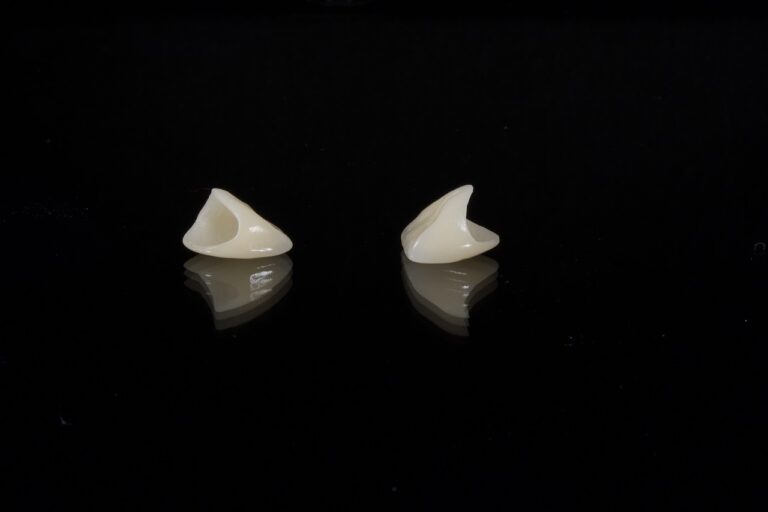
A plain clinical guide to zirconia dental implants, covering benefits, risks, survival data, patient fit, and aftercare for people comparing metal-free implant options.
Tantalum dental implants use a porous metal structure that can give bone room to grow in. They are not always better than titanium. Here is where the data…
A plain guide to zirconia implant benefits, risks, candidacy, treatment steps, and how they compare with titanium implants.
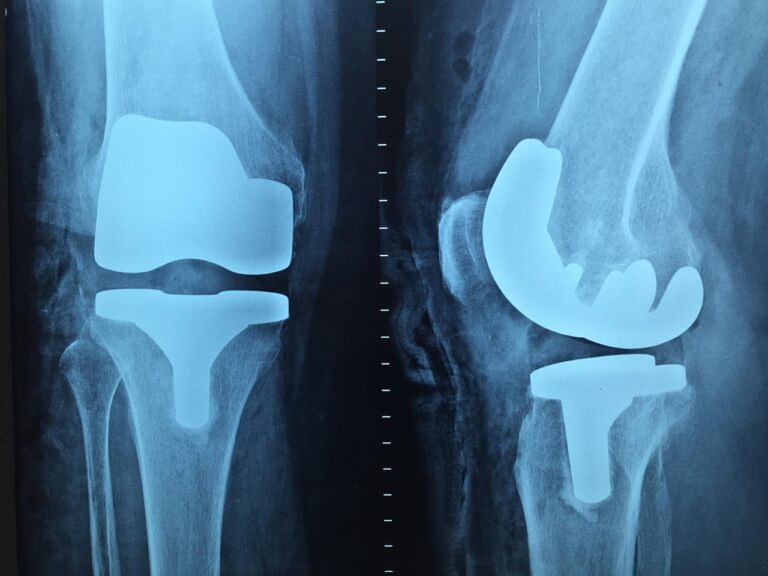
A practical guide to compare knee replacement implant designs, materials, fixation choices, registry data, and the main questions to ask before surgery.
Titanium is still one of the main materials used for medical implants because it offers useful strength, bone contact performance, corrosion resistance, and workable manufacturing options. This article…
A plain sourcing note on titanium orthopedic implants, covering material choice, standards, surface design, and supplier checks for medical device buyers.
A practical buying guide for orthopedic implant systems, matching instruments, material checks, documents, and day-to-day surgical workflow.