
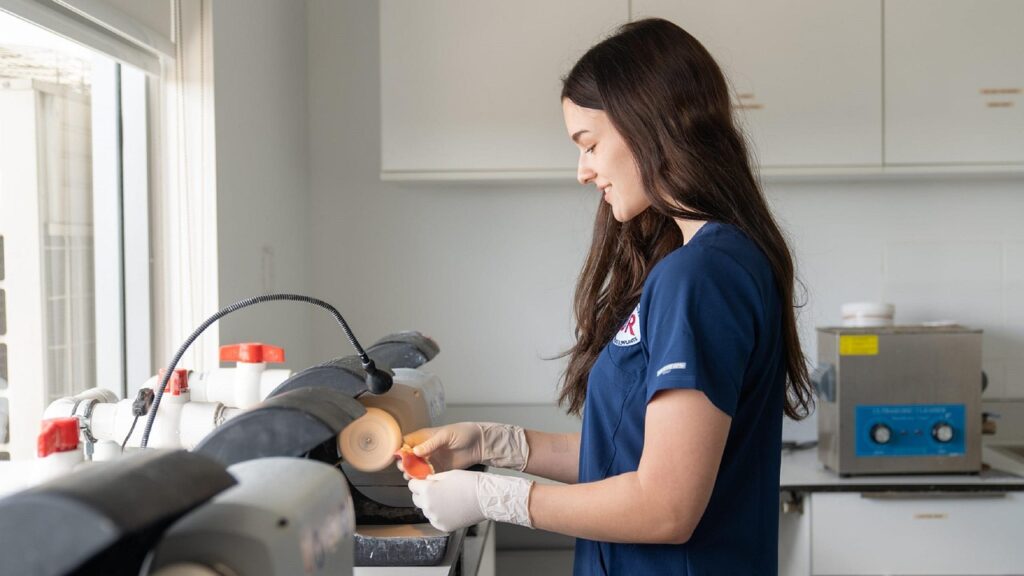
Autoclave selection starts with the sterilization workflow
An autoclave for dental instruments should be selected around the way the practice actually reprocesses instruments: the instrument mix, packaging method, cycle monitoring, drying requirements, and daily turnaround needs. Chamber size matters, but it is only one part of the decision. Steam sterilization is widely used for heat-tolerant critical and semicritical dental instruments, and it works only within a controlled process: contaminated transport, cleaning, drying, inspection, packaging, loading, sterilization, cooling, storage, and documented monitoring.
CDC dental infection prevention guidance emphasizes cleaning before sterilization, packaging that allows steam penetration, mechanical and chemical monitoring, and at least weekly biological monitoring. FDA guidance on reusable medical device reprocessing also stresses that users should follow validated manufacturer instructions for cleaning and sterilization.
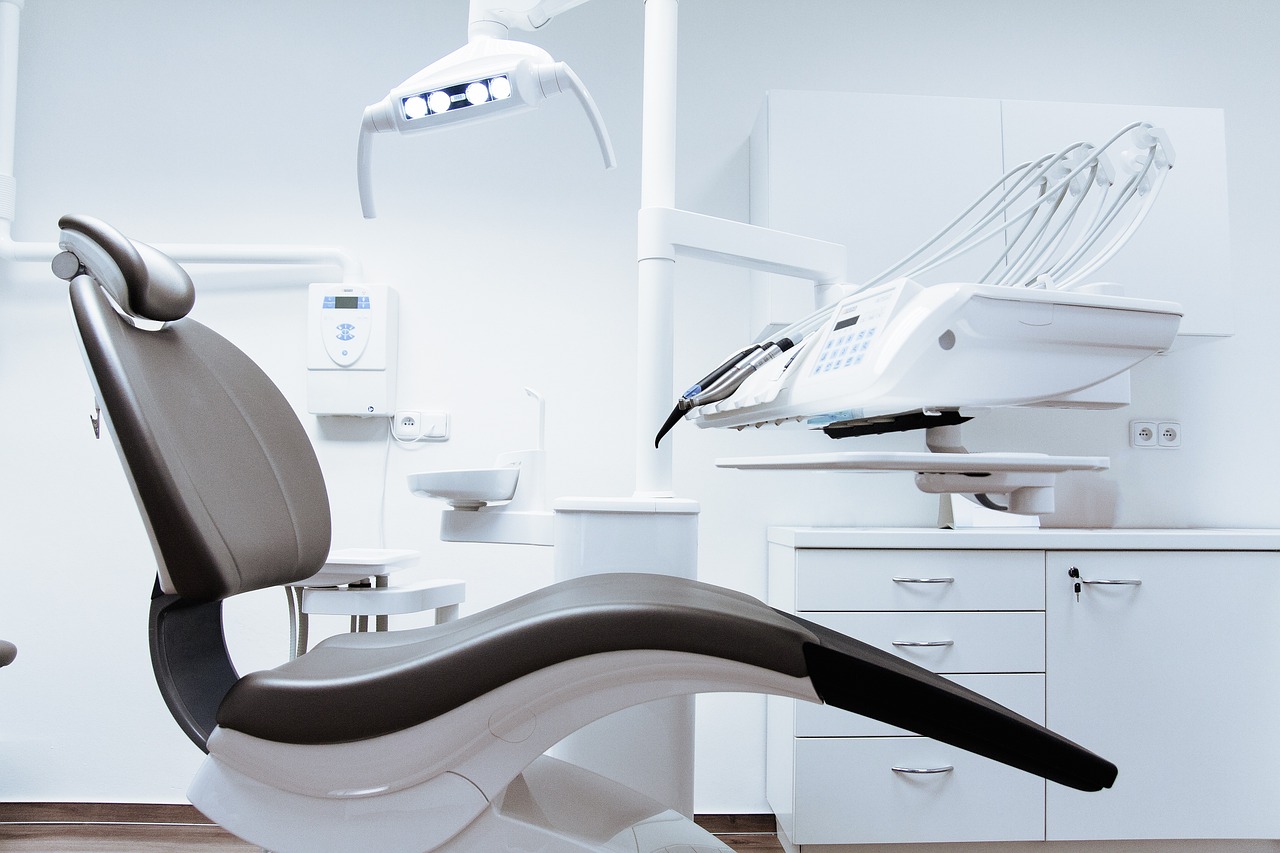
For dental teams comparing equipment, the practical question is not “Which autoclave is fastest?” It is “Which sterilizer can repeatedly process our real instrument loads, in the packaging we use, with records that support safe release or recall decisions?”
What a dental autoclave must do
A dental autoclave uses steam under pressure to expose instruments to validated sterilization conditions. The exact cycle parameters depend on the sterilizer design, load type, packaging, and the instrument manufacturer’s instructions for use. In dentistry, steam sterilization is commonly used for heat-tolerant instruments that contact oral tissues, mucous membranes, blood, or normally sterile areas.
Before instruments enter the chamber, they need to be cleaned. The FDA describes reprocessing as a sequence in which reusable devices are first decontaminated and cleaned so that blood, tissue, and other soil do not dry and remain on the device. This is not a minor step. Sterilization is not a substitute for cleaning, and remaining soil can interfere with sterilant contact. Hinges, serrations, lumens, and handpiece components can make the cleaning step more difficult and should be considered when selecting equipment and writing procedures.
CDC dental guidance also treats the sterilizer as one part of the full instrument-processing area. A safe layout supports one-way movement from contaminated to clean: receiving and holding, cleaning, drying, inspection and packaging, sterilization, cooling, and storage. If a practice is reviewing its broader instrument setup, related purchasing and handling decisions can also be organized under dental instruments and equipment.
Key features to evaluate before buying
Autoclave marketing often highlights speed, digital controls, or chamber volume. Those features are useful only if they match the practice’s validated use conditions. For dental offices and clinics, the criteria below usually have more practical value.
Cycle compatibility with actual dental loads
The sterilizer should support the loads the practice actually runs: pouched instruments, wrapped cassettes, handpieces, small procedural sets, or mixed metal instruments. CDC guidance notes that sterilization times vary by item type, wrapping, load configuration, and sterilizer type. A fast unwrapped cycle does not solve a workflow problem if the instruments must be stored sterile after processing.
Drying performance
Drying is not a cosmetic detail. CDC dental guidance states that instruments should be dry before packaging and that packages should be dry before handling and storage. Wet packaging can compromise package integrity and may create a pathway for contamination after the cycle. For practices using peel pouches or wrapped cassettes, drying performance should be treated as a core specification, not an optional convenience.
Monitoring and documentation
CDC and ADA infection control resources describe sterilizer monitoring as a combination of mechanical, chemical, and biological checks. A useful autoclave should make mechanical monitoring easy by recording or displaying time, temperature, pressure, cycle type, and completion status. Practices should also be able to connect each load to chemical indicators and biological indicator records when needed.
Chamber size and load discipline
A larger chamber may help a busy practice, but it can also encourage overloading if the team is not trained. Loading must allow steam to contact instrument surfaces and packaging. The better choice is a chamber that fits the office’s busiest realistic load while still allowing proper spacing, pouch orientation, and drying—not one that appears efficient only when packed too tightly.
Maintenance, water, and service access
Steam sterilizers are not maintenance-free. The purchase decision should account for cleaning routines, gasket inspection, reservoir care, water quality requirements, calibration or preventive maintenance, and service support. Manufacturer instructions should define maintenance intervals and acceptable water. Ignoring those details can lead to wet packs, cycle failures, corrosion, spotting, or unplanned downtime.
Choosing by practice scenario
The table below translates the main selection issues into common dental settings. It is not a brand ranking; it is a workflow-based framework for matching equipment to use conditions.
| Practice situation | Autoclave priority | Why it matters |
|---|---|---|
| Small general dental office with moderate daily volume | Reliable wrapped or pouched cycles, simple records, consistent drying | Most routine instruments need safe processing and storage without unnecessary complexity. |
| High-volume hygiene and restorative schedule | Capacity, cycle throughput, and enough instrument sets to avoid routine flash use | CDC guidance discourages unwrapped sterilization for convenience or as a replacement for adequate inventory. |
| Office using instrument cassettes | Chamber dimensions, drying capability, packaging compatibility, and manufacturer load limits | Cassettes improve organization but add weight and density that can affect steam contact and drying. |
| Practice processing dental handpieces | Compatibility with handpiece manufacturer instructions and validated cycles | CDC dental guidance states that dental handpieces and related attachments should be heat sterilized between patients when designed for reuse. |
| Multi-provider clinic | Traceable load documentation and standardized staff training | When many people load and release instruments, records and written procedures help reduce variation. |
Monitoring is part of the purchase decision
A sterilizer should not be evaluated separately from the monitoring system around it. Mechanical monitoring checks whether the cycle displayed the required parameters. Chemical indicators show whether a package or load was exposed to certain sterilization conditions. Biological indicators, often called spore tests, directly challenge the process with resistant microorganisms and are widely regarded by CDC as the most accepted method for monitoring sterilization effectiveness. See also: Implants.
CDC recommends using biological indicators at least weekly with a matching control. ADA infection control resources repeat the weekly biological monitoring recommendation and also advise using chemical indicators with instrument loads. For every cycle, practices should keep records such as sterilizer identification, cycle type, load number, load contents, exposure parameters, operator initials, and monitoring results. Those details matter when a chemical indicator fails to change properly, a biological indicator is positive, or a package is compromised. Documentation helps determine whether instruments should be held, reprocessed, or recalled.
Good autoclave selection therefore includes practical recordkeeping questions. Does the unit print, export, or store cycle data? Can staff identify the sterilizer used for a specific load? Are pouches or cassettes labeled in a way that connects them to a load record? If the office runs more than one sterilizer, can the team tell which machine processed which instruments?
Common mistakes that undermine sterilization
Many sterilization problems are workflow problems rather than machine failures. A well-selected autoclave can still produce unsafe or unusable results if the process around it is weak.
- Skipping or rushing cleaning: Sterilization should follow cleaning, rinsing, drying, and inspection. Visible debris means the instrument should not be packaged for sterilization.
- Packaging wet instruments: Moisture before packaging can weaken packaging performance and interfere with clean handling.
- Overloading the chamber: Steam needs access to instrument surfaces and package materials. Dense or crowded loads can create drying and exposure problems.
- Using unwrapped cycles for convenience: CDC guidance discourages routine unwrapped sterilization as a time-saving workaround or substitute for purchasing enough instrument sets.
- Handling packs before they cool and dry: Steam-sterilized items should be allowed to cool and dry before handling and storage.
- Ignoring manufacturer instructions: Instruments, sterilizers, packaging, biological indicators, and cleaners all have instructions for use. FDA reprocessing guidance places strong emphasis on validated labeling and user adherence.
- Treating chemical indicators as a replacement for spore testing: Chemical indicators are important, but CDC guidance distinguishes them from biological indicators, which directly test microbial killing power.
How to build a defensible autoclave checklist
A dental practice should be able to defend its autoclave choice with written criteria. The checklist below is a practical starting point for purchasers, office managers, and infection prevention coordinators.
- List all reusable instruments and devices that will be processed, including handpieces, cassettes, and any items with hinges or lumens.
- Confirm that each reusable item has manufacturer instructions allowing the intended cleaning, packaging, and steam sterilization process.
- Choose a chamber size based on realistic loads, not the maximum number of instruments that can physically fit.
- Verify that the sterilizer supports packaged cycles if instruments will be stored after processing.
- Confirm drying performance for the packaging system used in the practice.
- Review documentation options, including printouts, digital logs, cycle identification, and staff sign-off.
- Plan weekly biological monitoring, routine chemical indicator use, and mechanical monitoring for each cycle.
- Write a response procedure for failed indicators, wet packs, torn pouches, interrupted cycles, and positive biological tests.
- Train staff on loading patterns, pouch placement, cassette arrangement, cool-down time, and recordkeeping.
- Schedule maintenance according to the sterilizer manufacturer’s instructions and keep service records with sterilization logs.
This checklist also highlights a common budget issue. Buying a faster autoclave may not solve bottlenecks if the practice lacks enough instrument sets, packaging supplies, trained staff, drying space, or storage capacity. In many dental offices, the real constraint is not the sterilizer alone but the whole clean-to-sterile pathway.
Frequently asked questions
Is steam autoclaving suitable for all dental instruments?
No. It is appropriate for heat- and moisture-tolerant instruments when the instrument manufacturer’s instructions support steam sterilization. Some materials or devices may need different processing or may be single-use only. The manufacturer’s instructions for use should control the decision.
How often should a dental autoclave be spore tested?
CDC dental infection prevention guidance recommends biological monitoring at least weekly with a matching control. Practices may test more frequently based on state rules, accreditation expectations, office policy, or risk management decisions.
Can unwrapped sterilization be used to save time?
It should not be used routinely for convenience. CDC guidance discourages unwrapped sterilization as an alternative to buying enough instrument sets or managing turnaround time properly. If instruments are intended for storage, they generally need appropriate packaging that maintains sterility until use.
What should happen if a pouch is wet or torn after sterilization?
A compromised package should not be treated as ready for patient use. CDC dental guidance says damaged packaging requires reprocessing, which means cleaning if needed, repackaging, and heat sterilizing again before use.
What is the most important buying factor?
The most important factor is fit with the validated workflow. Capacity, cycle speed, drying, monitoring records, maintenance, and compatibility with actual instruments all matter. A reliable autoclave is one that supports consistent, documented sterilization under the conditions the dental team uses every day.
The bottom line
Choosing an autoclave for dental instruments is a clinical workflow decision, not a simple equipment upgrade. The best-supported choice is one that matches the practice’s instruments, validated instructions for use, packaging, load size, drying needs, monitoring procedures, and recordkeeping requirements. CDC, FDA, ADA, OSHA, and AAMI resources all point toward the same practical conclusion: sterilization quality depends on a repeatable system. A dental autoclave is central to that system, but it can perform safely only when cleaning, packaging, loading, monitoring, maintenance, and staff training are treated with equal seriousness.