
Interlock nailing for long bone fracture fixation
This article explains how interlock nailing stabilizes long bone fractures, where it is commonly used, and which planning decisions affect stability, alignment, and complications.
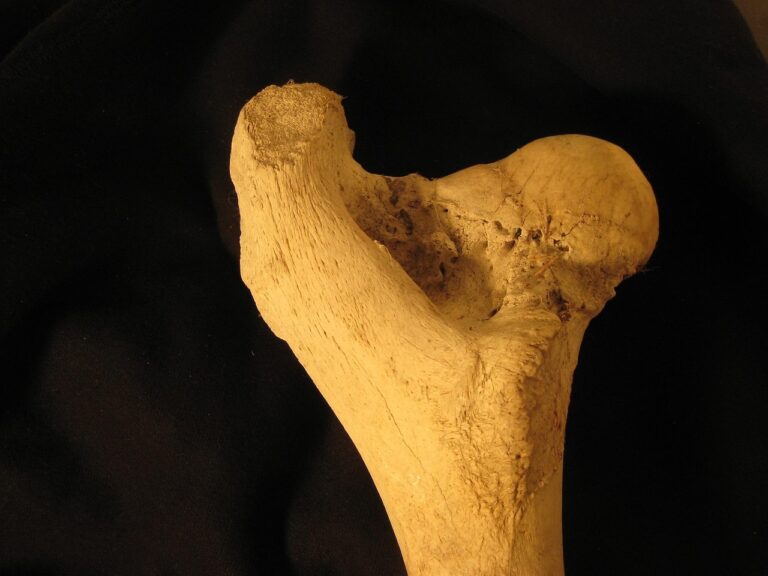
A femoral interlocking nail is a common intramedullary fixation method for adult femoral shaft fractures. This article explains how the implant works, where it fits in treatment planning,…
An IMIL nail for the femur is an intramedullary interlocking nail used to stabilize many adult femoral shaft fractures. This article reviews indications, construct choices, recovery expectations, and…
An IM nail in the tibia is a load-sharing internal fixation method used most often for unstable tibial shaft fractures. This article explains when tibial nailing is considered,…
External fix, or external fixation, stabilizes selected fractures from outside the body while protecting injured soft tissue. This article explains where it fits, the risks to monitor, and…
Intramedullary nail fixation is widely used for femoral and tibial shaft fractures because it stabilizes the bone from inside the medullary canal. This article explains how the construct…
A practical guide to intramedullary nail fixation, with common use cases, design points, clinical data, and procurement checks for medical buyers.
IM nails are common in long bone fracture fixation, mainly for femur and tibia cases. This article looks at where they fit, how they differ from plates, and…
Tibia plating is used for tibial fractures near the knee, ankle, and metaphyseal areas where alignment control is important. This article covers common indications, plate concepts, public data,…
Practical notes on metacarpal plate fixation, including when it is used, what plate design matters, common risks, and what buyers should check.