
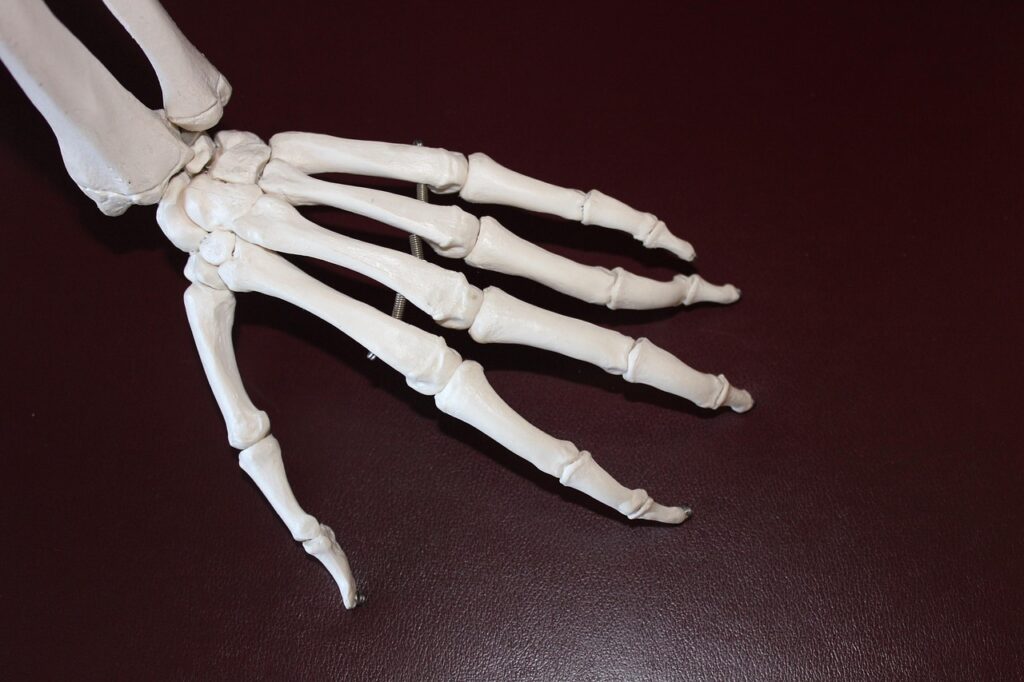
Why Does Metacarpal Plate Fixation Matter in Hand Fracture Care?
Metacarpal plate fixation is used when a broken metacarpal needs firm internal support, accurate alignment, and a recovery plan that allows early finger movement. In hand fixation, plates are not used for every fracture. They are chosen when the fracture pattern, patient needs, and soft-tissue condition make stable fixation worth the added exposure.
Stable Fixation for Small Bones
The metacarpals may look simple on an X-ray, but they carry grip, pinch, finger cascade, and knuckle contour. A small rotation can create obvious fingertip overlap when the patient closes the hand. StatPearls notes that height, rotation, and angulation must be restored to protect motion and grip strength. This is the main clinical reason plates still have a place in metacarpal fracture care.
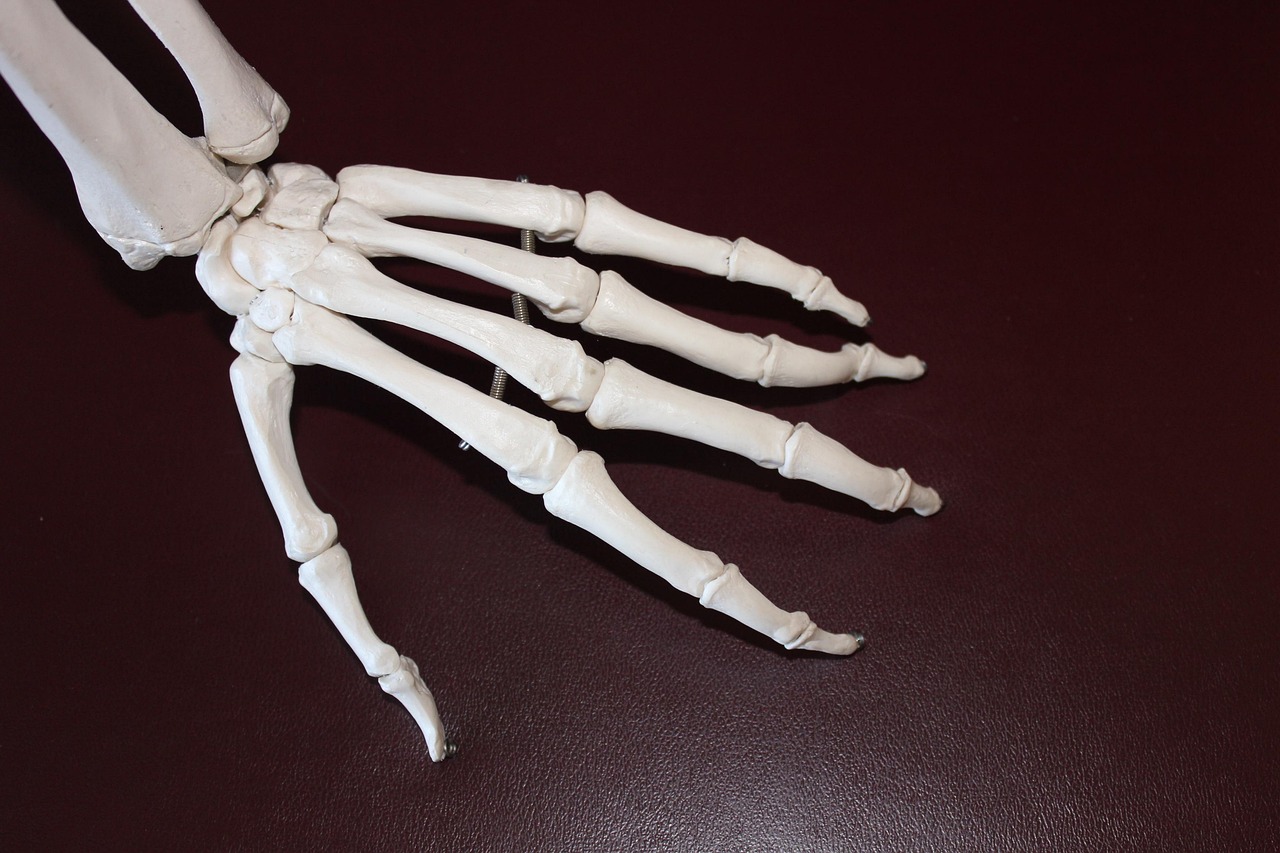
Early Motion as a Main Goal
Stiffness is one of the problems hand teams worry about most after trauma. AO Surgery Reference describes immediate active motion after stable metacarpal surgery to help prevent joint stiffness, while StatPearls states that plate fixation can allow gentle range-of-motion work after the first postoperative visit. In day-to-day clinics, even a few millimeters of swelling can make the whole hand feel blocked and hard to move.
Clear Indications Before Implant Choice
A plate is a tool, not a shortcut. Before choosing it, the team has to check the fracture site, rotation, shortening, comminution, open injury, and whether the joint surface is involved. The 2012 U.S. NEISS-based study in Hand reported an estimated metacarpal fracture incidence of 13.6 per 100,000 person-years and about 33% of all hand fractures. The case volume is large, but only a smaller group of these fractures truly needs plating.
When Is Metacarpal Plate Fixation Better than K-Wires?
K-wires are still used often because they are simple, take less exposure, and work well for many neck and base fractures. Plate fixation becomes more suitable when the fracture needs stronger control of length, rotation, or compression. In practice, the choice is usually based on how the fracture behaves after reduction, not on brand preference.
Shaft Fractures with Rotation Risk
Metacarpal shaft fractures, especially spiral and oblique patterns, can still rotate even when the lateral X-ray looks acceptable. StatPearls describes the shaft as the most common metacarpal fracture site and notes that oblique and spiral patterns have a higher risk of rotational deformity. Lag screws with a neutralization plate can be useful in these cases, while transverse fractures may be treated with compression plating.
Articular or Base Fractures Needing Direct View
When the joint surface is involved, small steps matter. AO Surgery Reference describes T-shaped, Y-shaped, and anatomical neck plates for metacarpal head articular fractures, with the articular block reduced first and the extra-articular component fixed second. This order is practical because a smooth joint surface is not just about appearance. It affects glide every time the patient bends the finger.
Multiple or Unstable Patterns
Multiple metacarpal fractures, open injuries, comminution, and failed closed reduction can move the case toward open reduction and internal fixation. Orthobullets lists open fractures, intra-articular fractures, unacceptable angulation, and any malrotation as operative indications. In a busy trauma setting, plates can also help restore the hand’s width and finger spacing when several rays are unstable.
What Plate Features Matter Most for Metacarpal Fractures?
Technique matters more than brochure language, but implant design still counts. A metacarpal plate sits under thin skin and close to extensor tendons. If it is bulky, poorly contoured, or used with screws that are too long, the patient may notice the implant long after the fracture has healed.
Low-Profile Edges and Tendon Clearance
The dorsal metacarpal surface gives good access, but it also places hardware close to the extensor tendons. AO Surgery Reference advises avoiding sharp plate edges and covering the plate with periosteum where possible to reduce adhesion between tendon and implant. Rounded edges and slim plate geometry are not just design details. They can help reduce friction during finger motion.
Screw Options Matched to Bone Size
Metacarpals are narrow bones, so screw choice needs care. AO guidance for articular plating says at least two screws should enter the diaphysis, and at least three proximal plate holes should be available when planning fixation. Variable-angle locking options may help in small articular blocks because the screw direction can be adjusted to catch available bone while staying out of the joint.
Contouring That Respects Anatomy
A plate that does not sit well on the metacarpal can pull the reduction away from the planned line. AO specifically warns that poor contouring may create malreduction and joint incongruity. For a working set, this means plates should be shapeable without cracking, bending instruments should allow small adjustments, and drill guides should feel stable in a tight surgical field.
How Does Plate Fixation Compare with Other Methods?
No single fixation method suits every case. K-wires, plates, and intramedullary screws all have their place. The useful question is not which one is always best. It is which method gives enough stability with the least extra tissue burden for this exact fracture.
K-Wires Offer Simple and Less Invasive Control
K-wires can work well for many metacarpal neck fractures and selected base fractures. StatPearls notes that intramedullary or transverse K-wires are a mainstay for neck fractures, although they may not control rotation as readily. Common drawbacks include pin-tract care, possible soft-tissue tethering, and later wire removal. For a clean, reducible fracture, they can still be a very reasonable choice.
Intramedullary Screws Show Strong Recent Outcomes
A 2025 Hand meta-analysis compared 34 studies of intramedullary screw fixation, K-wires, and plating. It reported lower DASH scores for intramedullary screws, 0.6 versus 7.4 for K-wires and 9.8 for plating, plus higher grip strength at 104.4% of the opposite hand. Reoperation was reported at 4% for intramedullary screws and 11% for both K-wires and plating. These figures are useful, but they do not remove the need for plates in complex fractures.
Plates Still Fit Complex Open Cases
Plates can provide rigid fixation, direct visualization, and options for compression or bridging. This matters when fragments are short, the shaft is unstable, or the joint surface needs to be rebuilt. The same meta-analysis found all groups healed by 12 weeks and no significant difference in infection rates. So the practical message is balanced: plates are not the least invasive method, but they remain valuable when the fracture needs more control. See also: Implants.
What Complications Should Be Planned for?
Hand fracture surgery has a small workspace and little room for swelling, scar, or tendon irritation. A good result starts before the incision, with implant selection, incision planning, screw measurement, and a realistic talk about therapy. This part is not pleasant for the patient or the sales team, but skipping it creates bigger problems later.
Stiffness and Tendon Irritation
StatPearls lists stiffness, malunion, nonunion, and infection among metacarpal fracture complications, and it specifically notes that plates may irritate tendons, with rupture in severe cases. Older PubMed-indexed work reported high complication rates in plate fixation of hand bones, while later low-profile plate reports showed lower rates. The plain reading is that lower profile helps, but technique and aftercare still carry much of the result.
Infection Nonunion and Hardware Removal
Metacarpal nonunion is uncommon. StatPearls reports nonunion in as few as 0.2% to 0.7% of patients, with clinical union often seen in 3 to 6 weeks when care goes well. Infection may require antibiotics, debridement, and sometimes hardware removal. AO also notes implant removal may be needed for soft-tissue irritation, stiffness, or tendon adhesion.
Follow-Up That Catches Small Problems Early
AO recommends postoperative review around 5 and 10 days after surgery. That early visit is not just a calendar habit. It lets the team check swelling, wound condition, finger motion, splint fit, and X-ray alignment. A tight dressing or a proud screw can become a larger problem if nobody checks until the patient has already lost motion.
How Should Recovery and Procurement Decisions Connect?
If you purchase or specify fixation systems, clinical recovery should shape the product checklist. A plate set is not just a tray of metal. It is a system that should help the surgeon reduce the fracture, place screws safely, protect tendons, and start motion without avoidable problems.
Rehabilitation Starts with Swelling Control
AO describes postoperative healing phases from week 1 to 3 for inflammation, week 4 to 6 for early repair, week 7 to 12 for later repair and early remodeling, and week 13 onward for reintegration. The same source describes elevation, a dorsal splint when swelling is present, and active finger movement. This timeline is a reminder that stable fixation and soft-tissue care have to work together.
Implant Sets Need Practical Instrument Coverage
A useful metacarpal system should include straight, T, Y, and anatomical options, small-fragment screws, locking and nonlocking choices, depth measurement, contouring tools, and clear labeling. Surgeons should not have to improvise with a plate that is almost right. In a small bone, almost right can still mean an irritated tendon or weak fixation.
Buyer Questions Should Match Clinical Use
Ask whether the plate profile suits the dorsal hand, whether screw lengths match metacarpal anatomy, whether variable-angle locking is available, and whether the tray supports compression, neutralization, and bridge plating. Also ask for material certificates, sterilization guidance, and compatibility details. It is routine paperwork, but it helps avoid delays that are hard to explain once the case is on the schedule.
FAQ
Q1: Is Metacarpal Plate Fixation Always Better than K-Wires? A: No. K-wires can be suitable for many simple neck or base fractures. Plate fixation is usually considered when stronger control of rotation, length, articular reduction, or comminution is needed.
Q2: How Soon Can Finger Motion Start After Plate Fixation? A: Timing depends on the surgeon’s plan and fracture stability. AO Surgery Reference describes immediate active motion after stable surgery, while many clinicians begin gentle motion after the first postoperative visit.
Q3: What Is the Main Risk of a Metacarpal Plate? A: Stiffness and tendon irritation are two main concerns. Careful plate contouring, low-profile design, correct screw length, and early supervised motion can reduce these risks.
Q4: Do Metacarpal Plates Usually Need Removal? A: Not always. Removal may be considered if there is soft-tissue irritation, tendon adhesion, painful prominence, infection, or stiffness that requires another procedure.
Q5: What Should Buyers Check Before Choosing a Metacarpal Plate System? A: Check plate shapes, low-profile design, screw range, locking options, contouring tools, instrument quality, documentation, and whether the system supports common shaft, neck, head, and base fracture needs.