
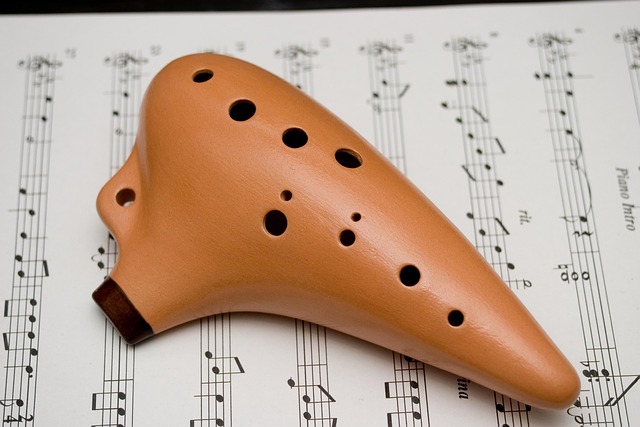
The Legend of Zelda: Ocarina of Time Fan Remake for PC No Longer in Development
The long-anticipated fan remake of The Legend of Zelda: Ocarina of Time for PC has officially ceased development. Despite years of community enthusiasm and technical progress, the project’s termination underscores the recurring clash between creative preservation efforts and corporate intellectual property protection. This case highlights how fan-led initiatives, while driven by passion and historical care, remain vulnerable to legal enforcement that prioritizes ownership over cultural heritage. The end of this remake not only halts a promising reimagining but also reignites discussions about how gaming history should be preserved in the digital era.
The Context of the Ocarina Fan Remake for PC
Before exploring its cancellation, it is necessary to understand how the Ocarina fan remake emerged and what it represented within both technical and cultural frameworks.
Background of the Project
The Ocarina fan remake began as a community-driven effort to rebuild Nintendo’s 1998 classic using modern engines like Unreal Engine. Its goal was not commercial gain but rather to recreate the magic of Ocarina of Time with updated visuals, refined mechanics, and accessibility for PC players. Contributors included programmers, artists, and modders who had grown up with the original game. Their motivation was rooted in nostalgia and a desire to share an enhanced version that honored its legacy while appealing to new audiences. Technically, the project aimed to reconstruct every environment from scratch—no direct code or assets were copied—to stay within fair-use boundaries.
The Legal and Ethical Landscape Surrounding Fan Projects
Nintendo has a long record of protecting its intellectual property aggressively. From shutting down ROM sites to issuing takedowns against fan remakes, its approach reflects strict adherence to copyright law. Under current statutes, even non-commercial reproductions can constitute infringement if they replicate copyrighted characters or designs. This creates a gray area where fans’ restorative intentions collide with corporate rights enforcement. Ethically, such conflicts raise questions about whether cultural preservation should override ownership when original works are no longer commercially available or technologically accessible.
The Significance of Ocarina of Time in Gaming History
Few titles have shaped modern game design as profoundly as Ocarina of Time. Its influence extends beyond nostalgia into foundational mechanics still seen today.
Why Ocarina of Time Holds a Unique Place in Game Design
When released on the Nintendo 64, Ocarina revolutionized 3D adventure gameplay through innovations like Z-targeting combat and cinematic camera control. These systems set standards later adopted by countless action-adventure games. Its seamless integration of narrative progression with player exploration became a model for immersive storytelling. Developers across generations cite it as a benchmark in balancing gameplay freedom with emotional depth—a rare equilibrium even decades later.
Preservation Challenges of Classic Titles
Preserving older games like Ocarina poses technical challenges tied to obsolete hardware and software degradation. Cartridges deteriorate; original consoles fail; proprietary file formats become unreadable. Emulation offers partial solutions but often struggles with timing accuracy or graphical fidelity compared to native performance. Moreover, accessibility barriers persist since official re-releases are limited by licensing decisions rather than historical necessity. Balancing authenticity with modernization remains complex: enhancing resolution or frame rate can improve playability yet risk altering artistic intent.
The Role of Fan Remakes in Game Preservation
Fan projects occupy an increasingly vital role where institutional preservation lags behind technological decay.
Community Contributions to Cultural Heritage
Volunteers working on remakes contribute significantly to maintaining gaming’s cultural memory. By documenting assets, translating scripts, or reconstructing levels, communities extend a title’s lifespan beyond corporate cycles. Such initiatives often fill archival gaps left by publishers who rarely prioritize legacy maintenance once commercial value declines. Open collaboration also democratizes preservation—anyone with skills can help safeguard digital heritage rather than relying solely on institutions.
Technical Approaches Used in Fan Remakes
Remaking a classic game without infringing copyrights requires both creativity and discipline.
Reverse Engineering and Asset Recreation
Teams typically rebuild engines from scratch using reverse engineering techniques that analyze behavior rather than copy source code directly. For instance, they may observe how enemy AI reacts or how physics respond under certain conditions, then reproduce those results independently within new frameworks. This process demands extensive testing since even small deviations can alter gameplay feel drastically.
Modernization Through Enhanced Visuals and Interfaces
Visual upgrades—higher-resolution textures, dynamic lighting, smoother animations—are central to fan remakes’ appeal. Yet developers must preserve artistic tone; overly realistic redesigns risk losing the charm that defined early polygonal art styles. Interface adjustments also matter: adapting control schemes for keyboard or controller layouts ensures accessibility without compromising original pacing or challenge balance.
The Fallout from the Cancellation of the Ocarina PC Project
The project’s termination reverberated across preservation communities already cautious about visibility after prior legal actions against similar efforts.
Impact on Preservation Efforts Within the Community
Losing this remake meant more than ending one project—it removed a potential reference framework for future restorations built ethically within legal constraints. Many contributors have since moved their work underground or shifted focus toward open-source tools rather than specific IPs. Fragmentation followed as teams avoided centralized publicity that could attract takedowns again.
Broader Implications for Digital Heritage Management
This event reveals systemic weaknesses in digital preservation policy worldwide. Unlike film or literature archives supported by public institutions, video game preservation lacks consistent legal exemptions for research or educational use. Corporate protectionism often outweighs public interest even when no commercial alternative exists. Without reform allowing limited archival reproduction under supervision, much interactive media risks vanishing entirely once hardware obsolescence sets in.
Future Pathways for Preserving Interactive Media Legacies
Despite setbacks like Ocarina’s cancellation, new strategies continue emerging across academic and technological domains aimed at sustainable preservation models.
Institutional Roles in Safeguarding Game History
Museums and libraries increasingly recognize video games as cultural artifacts deserving formal archiving alongside traditional media collections. Partnerships between rights holders and academic archives could enable controlled access versions suitable for study without violating distribution laws. Establishing clear frameworks would allow companies like Nintendo to protect trademarks while still contributing to collective heritage stewardship.
Emerging Technologies Supporting Preservation Goals
Technological innovation offers practical avenues for maintaining accessibility even when physical media fail.
Emulation Frameworks and Cloud-Based Archives
Cloud-hosted emulation platforms allow scalable access independent of local hardware limitations. By virtualizing console environments online, researchers can examine historical builds safely while ensuring long-term usability through standardized configurations maintained centrally by institutions rather than individuals.
Blockchain and Decentralized Storage Solutions
Blockchain’s immutable ledgers present intriguing possibilities for verifying authenticity across distributed archives. Each archived version could carry cryptographic provenance records ensuring traceability back to legitimate sources without centralized control—a potential safeguard against data tampering or loss over time.
FAQ
Q1: Why was the Ocarina PC remake canceled?
A: It was halted following legal pressure related to Nintendo’s intellectual property enforcement policies that prohibit unauthorized reproductions even when non-commercial.
Q2: Was any portion of Nintendo’s original code used?
A: No; developers stated all assets were recreated independently through reverse engineering methods focusing on behavioral replication rather than copying source material.
Q3: How does this affect other fan projects?
A: It reinforces caution among creators who now operate more privately or pivot toward open-source tools unrelated to protected franchises.
Q4: Can museums legally preserve games like Ocarina?
A: Only under restricted exemptions; most jurisdictions still lack comprehensive legislation granting archival rights comparable to film preservation standards recognized by UNESCO frameworks.
Q5: What alternatives exist for experiencing classic Zelda titles today?
A: Official remasters on modern consoles remain available through Nintendo’s online services though they rarely match community-driven enhancements envisioned by fan projects.