

What people usually mean by spinal cord machine
The phrase spinal cord machine is not a precise regulatory or clinical term. In most medical-device discussions, it refers to a spinal cord stimulator, often shortened to SCS. This is an implanted neurostimulation system that delivers controlled electrical pulses near the spinal cord to help manage selected forms of chronic, difficult-to-treat pain.
It should not be confused with a spinal decompression table, imaging scanner, surgical robot, or spinal fusion implant. The practical question is not simply what the “machine” is. It is whether the technology fits the pain condition, whether the trial period shows meaningful benefit, and whether the patient and care team understand the device-specific safety limits before permanent implantation.
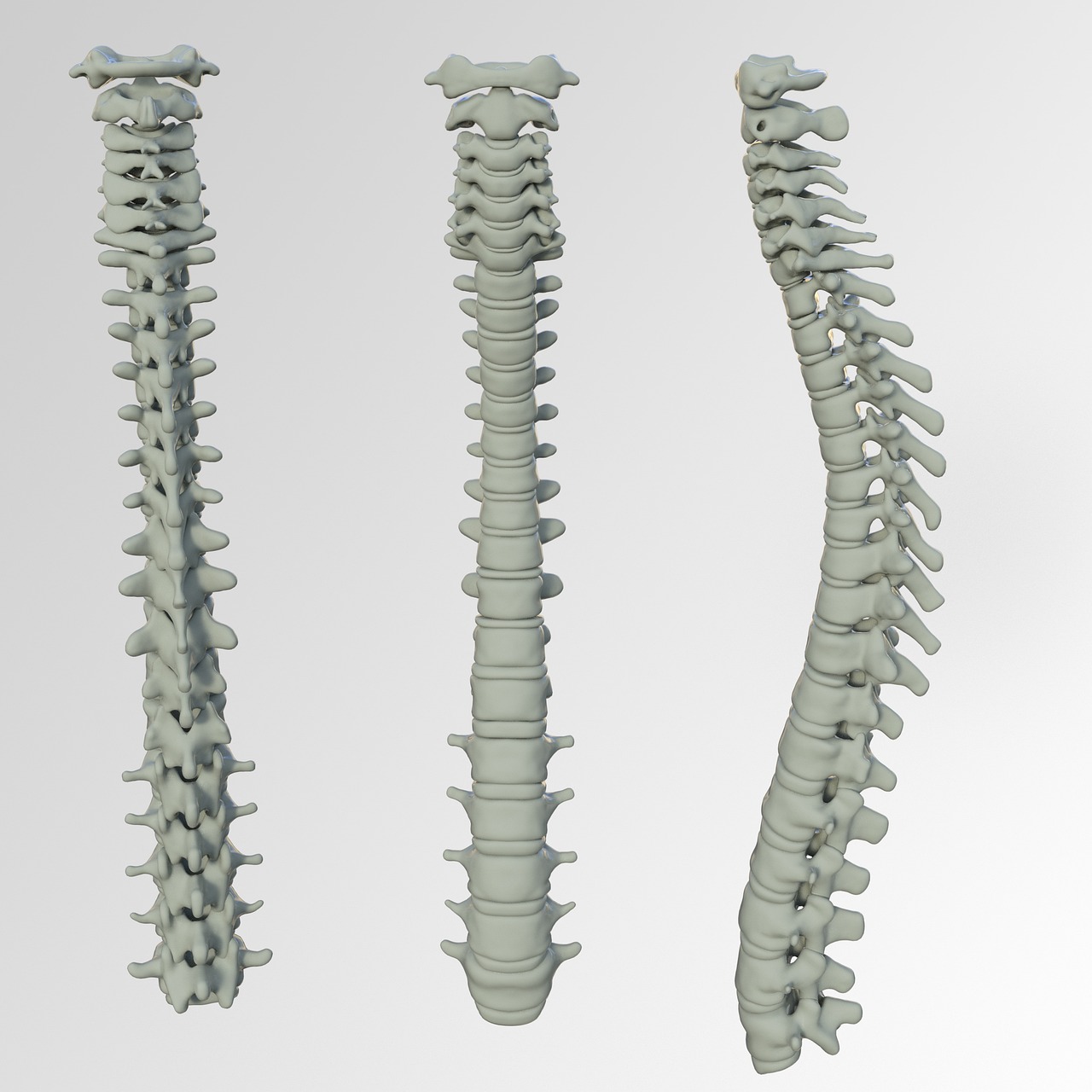
For readers comparing spinal devices, the term is useful because it reflects how patients and non-specialists often search. Clinicians, manufacturers, and regulators usually use more specific terms, including spinal cord stimulators, implantable pulse generators, neurostimulators, leads, external programmers, patient controllers, and related accessories.
How a spinal cord stimulator works
A spinal cord stimulator does not repair a damaged disc, rebuild a nerve, or cure the underlying cause of pain. Its purpose is to change how pain signals are processed. The system sends mild electrical stimulation through leads placed in the epidural space near the spinal cord. In some patients, this can reduce the perception of pain by modulating nerve signaling before pain messages are fully interpreted by the brain.
Modern systems vary widely. Some use traditional tonic stimulation, which may create a tingling sensation known as paresthesia. Others use burst, high-frequency, or other programmed waveforms that may be intended to reduce pain without a strong tingling feeling. Newer platforms may include sensing or closed-loop features that adjust stimulation based on detected biological signals, but the exact capability depends on the approved device model, leads, labeling, and programming.
| Component | Role in the system |
|---|---|
| Implantable pulse generator | The battery-powered unit that produces programmable electrical pulses. |
| Leads and electrodes | Thin wires positioned near the spinal cord to deliver stimulation to targeted areas. |
| Clinician programmer | Used by trained staff to set therapy parameters and adjust stimulation patterns. |
| Patient controller | Allows the patient to turn therapy on or off and use approved settings within prescribed limits. |
| Charger, if rechargeable | Used with rechargeable systems to maintain battery function according to device instructions. |
The word “machine” can make the technology sound like an external mechanical device. In long-term use, however, the main system is usually implanted under the skin, while external accessories are used to manage approved settings.
When spinal cord stimulation is considered
Spinal cord stimulation is generally considered after careful evaluation and after more conservative treatment options have been tried or judged unsuitable. The American Association of Neurological Surgeons describes SCS as a treatment considered after evaluation and non-surgical treatments, especially when pain is related to nerve injury and cannot be adequately corrected by another procedure.
FDA approval summaries for specific SCS systems describe use in long-term, difficult-to-manage pain of the trunk or limbs. Depending on the approved system and labeling, indications may include failed back surgery syndrome, chronic back pain not caused or treated by surgery in patients who are not surgical candidates, and painful diabetic peripheral neuropathy in the legs and feet. These indications are device-specific and should not be generalized to every stimulator, waveform, or patient group.
Patient selection is critical because chronic pain can come from different mechanisms. A person with mechanical spinal instability, active infection, untreated compression requiring surgery, or poorly defined pain may not be an appropriate candidate. A person with persistent neuropathic pain after previous treatment may be considered only after imaging, clinical examination, medication history, functional goals, psychological readiness, and risk factors have been reviewed.
The trial period is a key decision point
One feature that separates spinal cord stimulation from many other implanted spinal devices is the trial period. Before permanent implantation, clinicians often place temporary leads and connect them to an external stimulator. The patient then tests the therapy in daily life for several days, commonly about a week, while the care team evaluates pain relief, function, comfort, and usability.
A successful trial is often described as meaningful pain reduction, commonly around half of baseline pain, together with improved activity or quality of life. Pain score alone is not enough. A patient who reports less pain but cannot tolerate the sensation, operate the controller, charge the device, or comply with follow-up may not be a good candidate for a permanent implant.
Questions usually addressed before implantation
- Is the pain pattern consistent with the intended stimulation target?
- Have reversible or surgically correctable causes been reasonably evaluated?
- Did the trial reduce pain and improve daily function?
- Can the patient understand charging, controller use, restrictions, and follow-up?
- Are infection risk, diabetes status, anticoagulation, and other surgical risks acceptable?
This trial-first pathway also matters for device safety. It reduces the chance that a patient receives a permanent implant without clear evidence that stimulation is likely to help.
Device safety limits patients should understand
Spinal cord stimulators are active implantable medical devices, so safety is not limited to the implant surgery. Patients and clinicians also need to consider imaging, electromagnetic environments, device programming, lead position, wound healing, and long-term maintenance.
MRI and CT imaging
MRI compatibility depends on the exact device, leads, implanted configuration, and labeling. Some systems are MR Conditional under specific conditions, while others may be MR Unsafe or may not have explicit MRI labeling. A patient should not assume that every spinal cord stimulator can enter an MRI suite. Device cards, manufacturer labeling, and documentation from the implanting team are essential.
CT imaging is usually less restrictive, but the FDA has noted rare reports involving implanted neurostimulators during CT scans, including shocks, discomfort, overstimulation, loss of therapy, or a device turning on or off. The FDA also states that the chance of malfunction from CT exposure is extremely low and that a medically needed CT scan should generally not be withheld solely because a neurostimulator is present. In practice, the patient should inform the ordering clinician and radiology technologist, turn the device off when instructed and safe, and report symptoms immediately. See also: Implants.
Lead migration, fracture, and inadequate stimulation
Leads are central to therapy because they carry stimulation to the target area. If a lead migrates, fractures, or develops abnormal impedance, stimulation may become ineffective, uncomfortable, or inconsistent. These problems can lead to reprogramming, imaging, revision surgery, or explantation in some cases.
Postmarket safety events show why device surveillance matters. On September 3, 2026, the FDA listed a serious recall involving Boston Scientific Infinion CX spinal cord stimulator leads. The recall focused on unused affected devices and did not affect devices already implanted. The stated concern was mechanical stress at the anchor site that could result in high impedance measurements or lead fractures, with potential inadequate stimulation or additional intervention. As of May 27, 2026, Boston Scientific had reported 1,081 serious injuries and no deaths associated with that issue, according to the FDA recall notice. This example should not be read as a warning against all SCS systems. It does, however, show why model-specific tracking, unique device identifiers, and recall monitoring are important.
What changed in recent spinal cord stimulator technology
The broad trend in spinal cord stimulation is toward more precise programming, smaller or longer-lasting power systems, broader waveform options, and better compatibility with modern imaging workflows. A notable regulatory milestone occurred on April 24, 2024, when the FDA approved a Medtronic PMA supplement that included Inceptiv and related rechargeable neurostimulators, a closed-loop stimulation feature for specified leads, updated programming tools, and a wireless recharger. Another FDA approval summary dated May 30, 2024, described Abbott SCS systems including Prodigy, Proclaim Plus, Proclaim XR, and Eterna systems for chronic intractable pain applications under specified labeling.
These approvals show where the category is moving, but they do not prove that every newer device is better for every patient. Closed-loop sensing, recharge-free batteries, rechargeable batteries, high-frequency settings, burst modes, and paresthesia-free options all involve trade-offs. A rechargeable device may be smaller or support higher energy use, but it requires patient charging discipline. A non-rechargeable device may reduce the charging burden, but battery replacement may be needed when service life ends. More programming options can help personalize therapy, but they also require trained follow-up and realistic expectations.
How to compare spinal cord machines without relying on marketing claims
Patients often see brand names, brochures, and strong product claims before they understand the clinical basics. A more reliable comparison starts with approved labeling and practical fit. The best question is not “Which spinal cord machine is best?” but “Which system is approved and appropriate for this diagnosis, anatomy, imaging needs, lifestyle, and ability to manage the device?”
- Indication match: Confirm that the patient’s pain condition fits the specific device labeling and clinical rationale.
- Trial response: Look for meaningful pain reduction, functional improvement, and tolerable stimulation during the temporary trial.
- Imaging needs: Review MRI and CT requirements before implantation, especially for patients likely to need future spine, brain, or joint imaging.
- Battery strategy: Compare rechargeable and non-rechargeable options based on expected energy use and patient preference.
- Lead choice: Ask how lead type and placement relate to the pain pattern and what revision risks exist.
- Follow-up burden: Consider programming visits, charging routines, controller use, and response to therapy changes.
- Recall awareness: Keep device cards and UDI information so model-specific safety notices can be identified quickly.
For industry readers, an important content gap is that many search results explain “pain relief” but spend less time on device-system thinking. A spinal cord stimulator is not one object. It is an ecosystem of implanted hardware, external tools, software, labeling, training, and postmarket monitoring.
Frequently asked questions
Is a spinal cord machine the same as a TENS unit?
No. A TENS unit is an external device that sends electrical stimulation through pads on the skin. A spinal cord stimulator is an implanted system with leads placed near the spinal cord and a pulse generator under the skin. The risks, indications, regulatory requirements, and follow-up needs are very different.
Does spinal cord stimulation cure back pain?
No. It is intended to help manage selected chronic pain conditions by modulating pain signals. It does not correct spinal deformity, remove a herniated disc, reverse nerve injury, or replace treatment for an active surgical problem.
Can a person with a spinal cord stimulator have an MRI?
Sometimes, but only under the exact conditions allowed for that system. The device, leads, implant location, scanner type, and programmed mode all matter. Patients should show their device identification card and contact the managing clinician before scheduling MRI.
What happens if the trial does not work?
If the trial does not provide meaningful benefit or the patient cannot tolerate the therapy, clinicians may remove the temporary leads and avoid permanent implantation. Other pain-management options can then be reconsidered.
Are spinal cord stimulators risk-free?
No implanted device is risk-free. Possible concerns include infection, bleeding, lead movement, lead fracture, inadequate stimulation, uncomfortable stimulation, device malfunction, need for revision surgery, imaging limitations, and battery-related issues. These risks should be discussed using the labeling for the specific device being considered.
Bottom line for readers searching spinal cord machine
In most spinal-device contexts, a spinal cord machine means a spinal cord stimulator: an implanted neuromodulation system for carefully selected chronic pain patients. Its value depends on diagnosis, trial response, device labeling, surgical risk, imaging needs, and long-term follow-up. The technology continues to evolve, but newer features should be evaluated against practical patient needs rather than treated as universal improvements. For patients, the safest next step is a specialist evaluation and a clear discussion of alternatives, expected benefits, limitations, and model-specific safety instructions.