
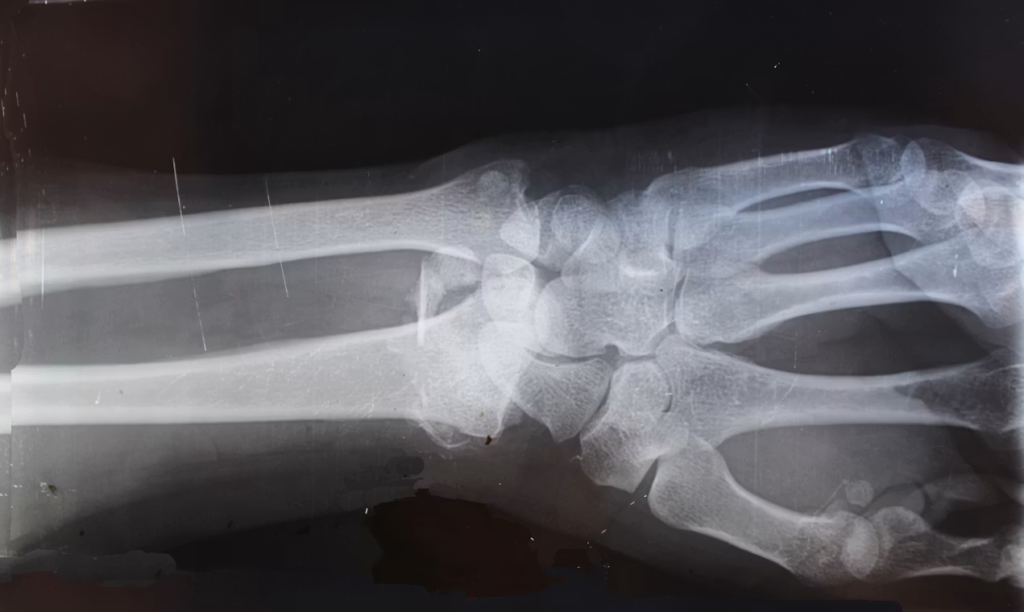
Plate fixation is still a main choice in horse bone surgery. This is very true for small metacarpal and metatarsal fractures. Good data from real studies on 27 horses shows something important. Rigid internal fixation helps a lot. It gives back leg function. At the same time, it stops problems from shaky bones. A good repair needs a few things. You must put the bones back exactly right. You need strong fixation. Also, you must control the rest time. In expert work, the choice of tools matter. The surgical way also decides a big thing. It shows if a horse can run fast again or if it will stay lame for a long time.
Understanding Small Metacarpal and Metatarsal Fractures in Horses
Fractures of the small metacarpal and metatarsal bones happen often. People usually call them splint bone fractures. They occur a lot in performance horses. These injuries might look small on X-rays. Even so, they can really change how the leg moves if you do not fix them well.
Anatomical and Functional Overview of the Equine Metacarpal Region
The small metacarpal bones are the second and fourth ones. They sit right next to the large third metacarpal bone. Together, they make a key part of the lower leg support structure. These bones help share the weight when the horse moves fast. This is very true during a gallop. At that time, huge forces hit the lower third of the leg. Stress builds up near the spot between the middle shaft and the wider end. This happens because the leg bends over and over during running steps. When these bones break, stability goes away. This break can twist the knee joint alignment. That twist causes extra stress on the joint. It can also strain the suspensory ligament.
Mechanisms and Types of Fractures
These breaks usually happen from a direct blow. For example, a horse might hit its own legs. Training on hard tracks causes repetitive strain too. Sometimes, doctors cause it by accident during other surgeries. The types of breaks have different shapes. Transverse fractures come from sudden, hard hits. Oblique shapes come from twisting forces. Spiral fractures happen because of rotational movements. Comminuted types, which mean many small pieces, come from very bad trauma. For testing, regular X-rays are standard. However, computed tomography, or CT scans, give great three-dimensional pictures. These pictures help a lot with planning the surgery.
Principles of Plate Fixation in Equine Orthopedic Surgery
In horse bone surgery, fixing the bone does not just mean putting pieces together. It also means making the joints and tendons work well together again. Plate fixation does this job. It fights bending and cutting forces that stop healing.
Rationale Behind Plate Fixation
Strong fixation allows the bone to heal directly. The bone remodels itself with small bone units instead of making a big, soft callus. This setup helps the horse move early. It does not hurt the quality of the fix. Compression plates make friction between the broken ends. This friction brings great stability. Neutralization plates protect smaller screw setups against twisting stress. By making the bone straight again, plate fixation fixes the normal weight paths. This is super important for horses that need to compete.
Types of Plates Used for Small Metacarpal Repair
Dynamic compression plates, known as DCP, are still very popular. They work in a way that doctors can easily predict. Limited-contact DCPs do not hurt the bone cover as much. They have less contact area with the bone. Locking compression plates, or LCP, give good angle stability. They use threads to lock the screw into the plate. This is helpful in weak bones or bones with many small breaks where normal screws cannot hold well. Stainless steel gives great strength for legs that carry heavy loads. Titanium alloys have a lower stiffness. This stiffness is closer to real bone, so it stops the plate from stealing too much stress from the bone. The final choice depends on the break shape, bone size, and how much work the horse will do during recovery.
Surgical Techniques for Plate Application
A good fix starts long before the first cut. The planning steps decide how fast the surgery goes and how the horse heals later.
Preoperative Planning and Preparation
X-rays or CT scans show the exact shape of the break. This helps the doctor choose the right way to cut. Surgeons want to hurt as little soft tissue as possible. Saving blood vessels makes the healing go faster. The plate length must be right. It needs to hold at least three bone walls on each side of the break. The screw type, like cortical or locking, depends on how hard the bone is and the plate style. Good alignment makes sure weight spreads evenly when the horse stands up again.
Intraoperative Considerations for Optimal Fixation
Doctors must get the bone pieces back in place before putting the plate on. Any small gap can delay healing or break the metal later. Temporary clamps hold the bone straight while drilling. They stop the pieces from moving out of place. Lag screws can go across slanted breaks first. This squeezes the pieces together tightly. After that, the doctor puts a neutralization plate over it. Sometimes, small wire loops help hold tiny bone pieces. But using too many wires can stop the blood flow.
Postoperative Management Protocols
After the fix is done, the horse must stay still. This usually lasts for four to six weeks. The time depends on how bad the break was and how the horse acts. Finding an infection or a loose plate early is very important. Watch for signs like heat, swelling, or fluid leaking from the cut. Controlled exercise starts with hand-walking. Then, the horse can go to a small yard. This happens after X-rays show good healing around 8 to 12 weeks after surgery.
Evaluating the Success Factors in Plate Repair Outcomes
The quality of healing shows two things. It shows the strength from the plate and the life left in the bone tissue after surgery.
Influence of Fixation Stability on Bone Healing Dynamics
Steady setups help the bone bridge directly. They form very little callus, which is a sign of direct healing. If the screws are loose, the bone moves a tiny bit. This movement makes soft scar tissue instead of bone. If you squeeze it too hard, you might block tiny blood vessels. That blocks new bone growth. Setups that share the load divide the stress. The weight goes between the metal and the bone. This stops the horse from relying only on the metal, which is key during early walking.
Biological Factors Affecting Healing Success
Saving the blood supply on the bone surface is a basic rule. This layer gives the starting cells that make new bone. Scraping too much tissue away cuts off the blood. This raises the chance of slow healing or dead bone pieces. Whole-body factors matter too. Good food, age changes, and other leg injuries change how fast each horse heals.
Complications Associated with Plate Fixation in Small Metacarpal Fractures
Even with very careful work, problems can still happen. They come from too much weight or poor tissue health.
Mechanical Failures Related to Fixation Technique
Screws can pull out of the bone. This happens when repeated weight is stronger than the bone grip. It often follows a return to exercise too quickly. Plates can bend if the doctor guesses the weight wrong. This is true for racehorses that gallop too early. The rigid metal can also shield the bone from stress. This makes the bone thin, which you can see on X-rays after months. Sometimes, the bone breaks again after taking the plate out.
Biological Complications Post-Fixation
Long surgeries raise the risk of infection. This is very true for operations done in barns without clean air systems. Bones do not join when bad blood flow stops the healing bridge. If this happens, the doctor might need to do another surgery. They will use bone pieces taken from the hip bone or breastbone to help it heal. Soft tissue can get irritated too. This shows up as swelling over the plate edges. Sometimes, you must take the plate out after the bone is strong.
Comparative Insights: Fixation Versus Alternative Repair Methods
Plate fixation is the top choice in modern horse surgery. Still, other ways can work well in some situations.
External Coaptation and Conservative Management Approaches
For small cracks without moving bones, simple care works. Bandages or splints are enough. They let the bone reshape on its own over weeks. However, low stability makes the recovery long. It risks bad alignment, which can stop a horse from competing again. Because of this, owners of sports horses rarely choose this way. They want a fast return to work.
Intramedullary Pinning or Combination Techniques
Long pins inside the bone marrow can help plates. They share the long weight. This is helpful for long, slanted breaks near the top joint. Studies show that a pin and plate mix holds up against wear better than a plate alone. But, these surgeries are harder to do. This is especially true near the bottom of the leg where the bone inside gets very narrow.
Future Directions in Equine Fracture Fixation Research
New ideas keep changing how doctors fix horse bones. They focus a lot on safe materials and exact engineering.
Advances in Biomaterials and Implant Design
New materials that melt away safely in the body are coming. They aim to stop the need for a second surgery to remove the metal. This cuts down on anesthesia time, which is great for older horses that have more risks. New coatings on plates also help stop infections. They help the bone stick to the plate better by improving how cells attach to the metal.
Integration of Digital Tools in Surgical Planning
Three-dimensional models now let doctors practice on a computer first. They use data from CT scans. This lets them make custom plates made just for that specific horse leg shape. This is a huge step up from standard store plates. Store plates require the doctor to bend them during surgery, which takes a lot of time while the horse is asleep. New navigation tools use special light tracking. They make drilling more exact. This stops doctors from making accidental holes in the bone wall, which makes the whole fix much stronger for complex breaks with many pieces.
FAQ
Q1: Why do doctors like plate fixation for small metacarpal fractures? A: It gives strong hold so the horse can move early. It also keeps the bones straight, which is key for a sports horse to get well.
Q2: How long does it take a horse to get better after getting a plate? A: Most horses show a solid bone connection in 8 to 12 weeks. Getting back to top shape can take more months depending on how hard the work is.
Q3: Are titanium plates better than stainless steel ones? A: Titanium is less stiff, so the bone stays stronger. But stainless steel is still a top choice when you need pure strength for heavy legs.
Q4: Can simple resting replace a surgery? A: Only if the bones did not move out of place. If they did move, shaking bones cause long-term lameness, so surgery is the best way to get a good result.
Q5: What is the most common problem after a plate surgery? A: Infection is the biggest worry. Right after that comes broken metal when the horse runs around too much too soon.