

Understanding the search behind indus ortho implants
The phrase indus ortho implants is not enough, on its own, to confirm a specific approved implant system, manufacturer, distributor, or clinical product line. People may use it when looking for an orthopedic implant brand, an India-linked supplier, a professional orthopedic organization, or general information about trauma and joint implants.
The practical point is straightforward: do not evaluate an orthopedic implant by a similar-sounding name alone. Before treating any listing as reliable, verify the legal manufacturer, exact device name, intended use, material, regulatory pathway, labeling, sterilization status, and traceability. For readers comparing implant-related terminology, our implant research updates provide additional context on medical device evaluation.
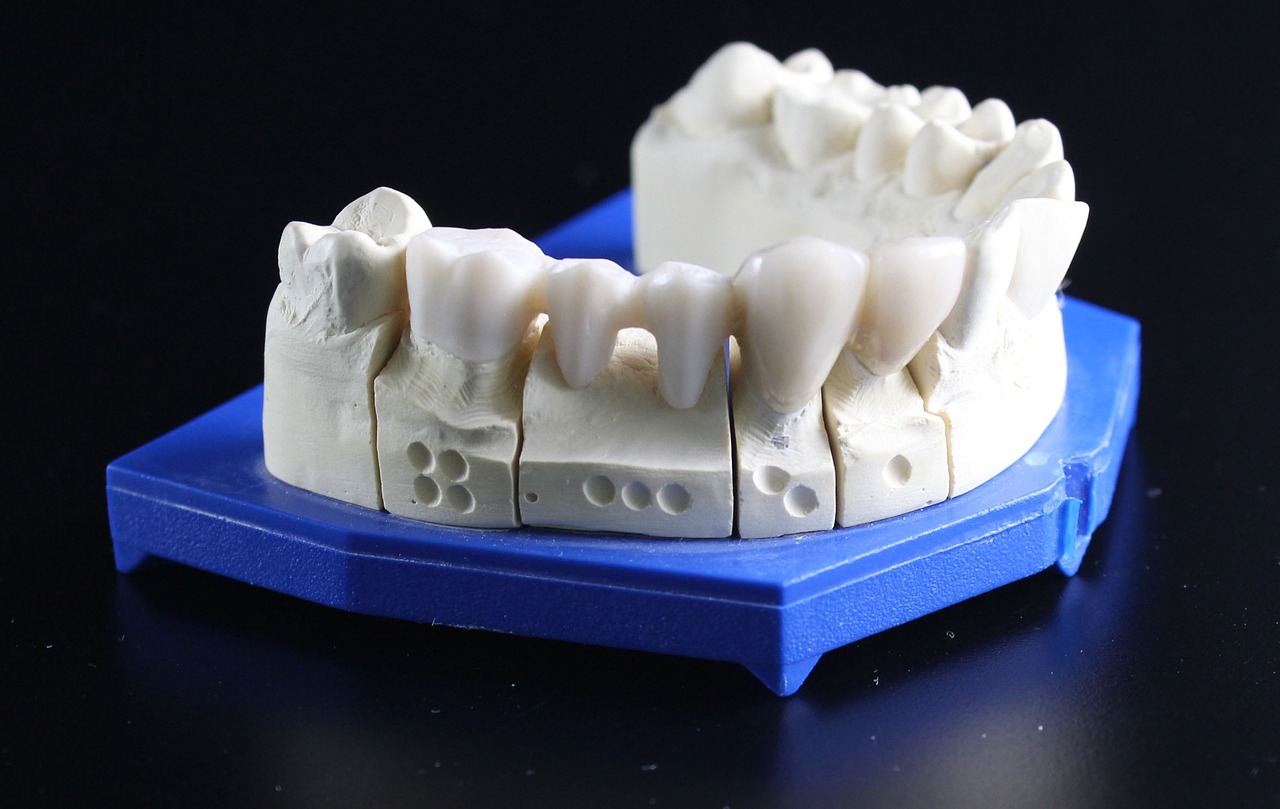
This article is intended for industry readers, procurement teams, healthcare content researchers, and patients who want to understand what should be checked when an orthopedic implant name appears in search results. It does not replace a surgeon’s judgment, hospital procurement policy, or regulatory review.
Why the term can be confusing
The search term needs careful handling because “Indus,” “Indo,” and “ortho” appear in several healthcare contexts. Public information for Indus Ortho describes a professional community connected with Indian American orthopedic surgeons, not a product catalog. Separately, suppliers using similar wording may describe orthopedic portfolios that include plates, screws, hip systems, external fixation devices, instruments, or power tools. These are not automatically the same organization, and a shared word in a name does not prove that a device comes from a particular legal manufacturer.
That distinction matters because orthopedic implants are long-term or surgically invasive medical devices. In procurement, the name shown on a web page is only the starting point. The decisive identifiers are the legal manufacturer, brand or trade name, model or catalog number, lot or batch number, implant size, material specification, device labeling, and the regulatory authorization that applies in the market where the device is sold or used.
For patients, the same rule applies in simpler terms. If you are told that a particular implant was used or may be used, ask the treating team for the implant name, manufacturer, and any implant card or hospital record that is available. A generic phrase from a search engine should never replace the operative record or the surgeon’s explanation.
What orthopedic implants usually include
Orthopedic implants are devices used to support, stabilize, replace, or reconstruct bone, joints, and related structures. Common categories include trauma fixation plates, screws, intramedullary nails, wires, pins, spinal or craniomaxillofacial fixation systems, hip and knee prostheses, pediatric orthopedic systems, and certain external fixation components. Surgical instruments may appear in the same catalog, but they are not the same as implants because instruments are generally used to place or remove the implant rather than remain in the body.
In fracture care, internal fixation commonly uses plates and screws to hold bone fragments in position while healing occurs. The American Academy of Orthopaedic Surgeons describes stainless steel and titanium as common materials for internal fixation implants. Material alone, however, does not determine whether a device is appropriate. Fit depends on the fracture pattern, bone quality, patient health, anatomy, available instrumentation, surgeon training, and the product’s specific indications.
Joint replacement implants raise different questions. A knee or hip system may involve multiple components, bearing surfaces, cemented or cementless fixation options, and size ranges. A trauma plate, by contrast, may be selected for a specific bone segment and screw configuration. This is why broad searches for indus ortho implants should be narrowed to the exact anatomical application before any meaningful comparison is made.
Regulatory and quality signals to verify
Legal manufacturer and product identity
The first verification step is to identify the legal manufacturer, not just the distributor, dealer, website owner, or sales representative. Medical device labeling should identify who is responsible for manufacturing and placing the device on the market. Product identity should include the device name, model or catalog number, size, material, and intended use. If a listing only says “orthopedic implant” without these details, it is not sufficient for clinical or procurement evaluation.
Market authorization
Regulatory pathways differ by country and device type. In the United States, many orthopedic plates, screws, washers, and fixation devices are reviewed through the FDA 510(k) process when they meet the relevant requirements and have appropriate predicates. Some orthopedic devices fall into higher-risk or more specialized pathways, so “orthopedic implant” should not be treated as one uniform regulatory class.
In India, medical devices are regulated under the Drugs and Cosmetics Act framework and the Medical Devices Rules, 2017. CDSCO classification depends on intended use, duration of contact, invasiveness, and risk. Many long-term implantable devices fall into higher-risk categories, and certain devices may require more demanding documentation. For an India-linked orthopedic implant listing, the relevant CDSCO license, import or manufacturing authorization, and device class should be checked against the exact product, not only against a company name.
Quality management system
ISO 13485:2016 is the internationally recognized quality management system standard for medical devices. It addresses how a medical device organization controls design, production, risk management, traceability, corrective actions, and regulatory requirements. ISO 13485 certification can be an important quality signal, but it is not the same as product approval, clinical proof, or a guarantee of performance.
In the United States, the FDA Quality Management System Regulation became effective on February 2, 2026, and incorporates ISO 13485:2016 by reference into the device quality system framework. For manufacturers selling into regulated markets, this reinforces the importance of documented quality processes. Buyers should still confirm whether the certificate is current, who issued it, which facility it covers, and whether the device category is inside the certificate’s scope.
UDI, labeling, and traceability
Unique device identification is another important checkpoint. The FDA’s UDI system was created to identify medical devices through distribution and use, and UDI records can support safety surveillance, recalls, and postmarket tracking. Implant labels and hospital records should preserve device identifiers such as the device identifier, production identifier, lot number, serial number where applicable, and expiration date for sterile products. See also: Fixation.
Traceability is not just an administrative detail. If a recall, adverse event investigation, or compatibility issue arises, the hospital and manufacturer need to know exactly which device was used. A vague product description is not enough.
Product-fit questions by implant type
| Implant category | Key questions to ask | Why it matters |
|---|---|---|
| Trauma plates and screws | Which bone and fracture pattern is the system indicated for? Is it locking, non-locking, or hybrid? What screw diameters and lengths are compatible? | Plate geometry, screw trajectory, and compatibility affect fixation strategy and inventory planning. |
| Nails, wires, and pins | What sizes are available? What insertion instruments are required? Are the components sterile or non-sterile? | Implants and instruments must match; missing instrumentation can delay surgery. |
| Hip and knee prostheses | What fixation method, bearing material, size range, and component compatibility are documented? Is clinical or registry evidence available? | Joint systems involve multiple components, and mismatch or unsupported claims can create safety and liability risks. |
| External fixation systems | Which parts are implanted or transcutaneous, and which are reusable instruments or frames? What cleaning and sterilization instructions apply? | External fixation combines implant-like components with reusable hardware, so labeling must be clear. |
| Removal instruments | Are instruments designed for a particular screw head, plate, nail, or manufacturer system? | Removal tools are often system-specific; poor compatibility can increase operative difficulty. |
Risks and limitations a product page cannot resolve
Orthopedic implants are designed to solve mechanical and biological problems, but no implant removes surgical risk. Infection, loosening, implant breakage, malalignment, delayed union, nonunion, wear, corrosion, metal sensitivity, pain, and revision surgery are recognized concerns across orthopedic device categories. The level of risk depends on the patient, condition, surgical technique, rehabilitation, implant design, and follow-up care.
Marketing language can also hide important limitations. Claims such as “titanium implant,” “international quality,” “FDA cleared,” or “ISO certified” may be relevant, but they do not answer every clinical or procurement question. A cleared device must still be used for the right indication. A quality certificate must apply to the correct facility and device scope. A material claim should be supported by specifications and biocompatibility documentation.
MRI labeling is another area where assumptions can be unsafe. Some orthopedic implants are labeled MR Conditional under specified conditions, while others may have different testing status or documentation. Patients with implants should tell imaging centers and clinicians about the device before MRI or other procedures and should provide implant records when available.
A practical workflow for verifying indus ortho implants information
- Clarify the entity. Determine whether the name refers to a manufacturer, distributor, hospital, professional organization, product family, or unrelated search result.
- Capture the exact device identity. Record the brand, legal manufacturer, catalog number, size, material, and intended use.
- Check the regulatory market. Verify the applicable approval, clearance, license, registration, or import authorization in the country where the device will be used.
- Review labeling and instructions for use. Confirm indications, contraindications, warnings, sterilization status, storage conditions, single-use statements, and MR safety information.
- Confirm quality documentation. Review ISO 13485 certification scope, manufacturing site coverage, and any applicable audit or conformity documents.
- Validate compatibility. Make sure plates, screws, nails, drivers, trays, and removal instruments belong to compatible systems.
- Preserve traceability. Ensure UDI, lot, batch, serial, and expiration data are captured in procurement and patient records where applicable.
- Separate clinical suitability from sourcing. Procurement checks can confirm documentation, but the treating surgeon determines whether a device suits a patient’s condition.
This workflow turns a broad keyword into verifiable questions. Instead of asking whether “indus ortho implants” are good or bad, the better question is: which exact device, made by which legal manufacturer, authorized in which market, for which indication, with which evidence and traceability?
Frequently asked questions
Are indus ortho implants a specific brand?
The phrase is ambiguous. Searchers may use it to describe a brand, a supplier, a product category, or a similar-sounding orthopedic organization. Do not assume that every result using “Indus” and “ortho” refers to the same company or implant system. Verification should start with the legal manufacturer and exact catalog information.
What documents should accompany orthopedic implants?
Important documents typically include labeling, instructions for use, product specifications, sterilization information where applicable, lot or batch identification, UDI where required, regulatory authorization, and quality system evidence. Hospitals and distributors may also require purchase records, certificates, and traceability documentation.
Does ISO 13485 certification prove an implant is approved?
No. ISO 13485 supports the manufacturer’s quality management system, but it is not the same as product approval or clearance. A buyer still needs to verify the product-specific regulatory pathway, labeling, intended use, and market authorization.
Can patients ask which implant was used in surgery?
Yes. Patients can ask the surgeon or hospital for available implant details, such as the device name, manufacturer, lot number, and implant card or operative record. Availability and format vary by country, hospital policy, and device type.
Is titanium always better than stainless steel for orthopedic implants?
No. Titanium and stainless steel both have established orthopedic uses. Selection depends on the implant design, anatomy, surgical plan, mechanical requirements, imaging considerations, surgeon preference, and patient-specific factors. Material should be evaluated as part of the complete device system, not as a standalone ranking.
When the keyword indus ortho implants appears in research or sourcing, treat it as a starting point rather than a conclusion. The safer and more professional approach is to verify identity, documentation, regulation, and clinical fit before relying on any implant-related claim.