
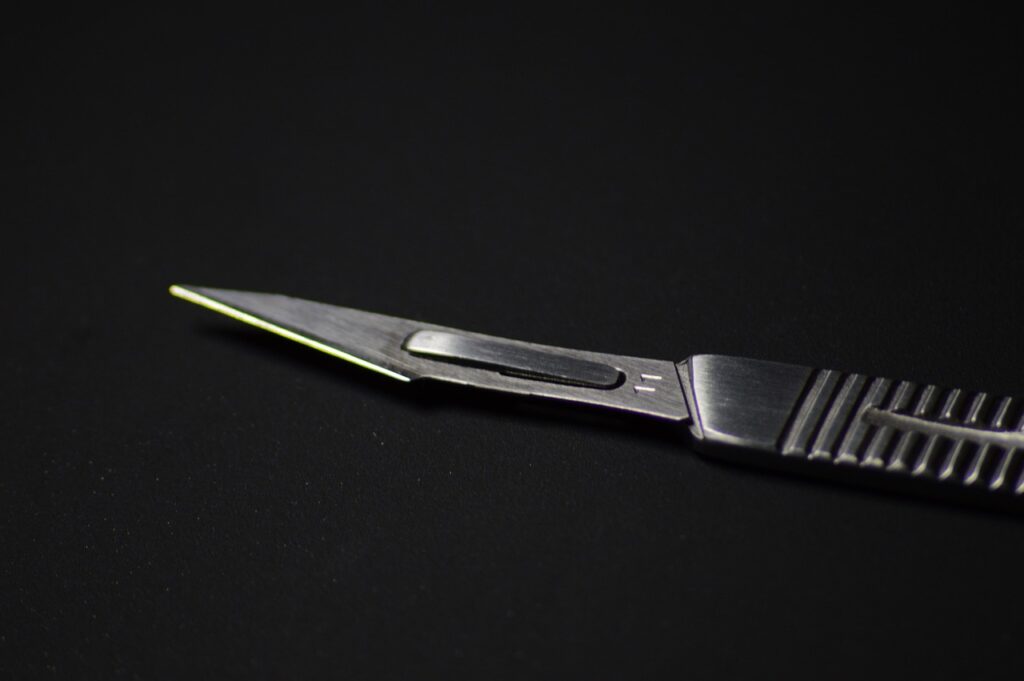
What a sterilization of surgical instruments PDF should include
A useful sterilization of surgical instruments PDF is more than an autoclave cycle chart. It should cover the full reprocessing pathway: point-of-use handling, transport, cleaning, inspection, packaging, sterilizer loading, cycle selection, monitoring, storage, and documentation. A well-controlled document is built around the device manufacturer’s instructions for use, facility policy, and recognized guidance such as CDC recommendations, FDA reprocessing guidance, WHO decontamination guidance, and ANSI/AAMI standards. This guide explains what such a PDF should contain, which details should be verified before use, and where common procedural gaps tend to appear.
The document should not replace local sterile processing policies or professional judgment. Its value is in giving healthcare content teams, educators, and facility reviewers a practical way to check whether a surgical instrument sterilization document is complete enough to support safe practice. For related equipment topics, visit the Instruments section.
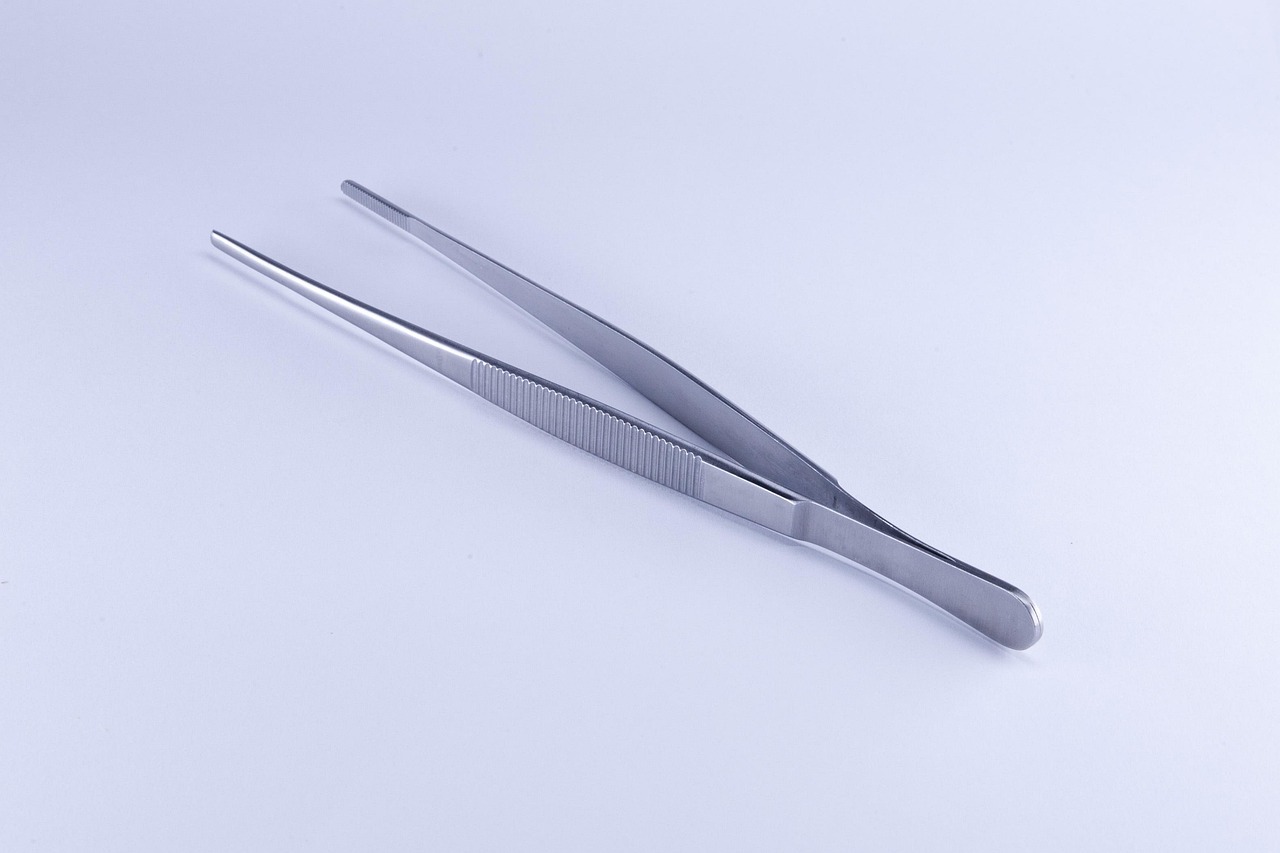
Start with the correct scope and source hierarchy
Before writing or using any sterilization PDF, define exactly what it covers. A procedure written for general stainless-steel surgical instruments is not automatically suitable for powered handpieces, ophthalmic instruments, flexible endoscopes, robotics accessories, implant trays, or heat-sensitive devices. Reprocessing requirements can change when an instrument has hinges, lumens, removable parts, porous materials, coatings, batteries, electronics, or manufacturer-specific limits.
A reliable PDF should state that the device manufacturer’s current instructions for use, often called the IFU, take priority. FDA guidance for reusable medical devices separates cleaning, disinfection, and sterilization as distinct processes and emphasizes validated reprocessing instructions. CDC recommendations also direct facilities to follow the sterilization times, temperatures, and operating parameters recommended by the instrument, sterilizer, and packaging manufacturers.
The source hierarchy should be explicit:
- Manufacturer IFU: the device-specific authority for disassembly, cleaning agents, cycle compatibility, exposure parameters, drying, and reuse limits.
- Facility policy: local workflow, available equipment, staff responsibilities, documentation, and escalation rules.
- Regulatory and public health guidance: FDA, CDC, state or national rules, and applicable infection prevention requirements.
- Consensus standards: ANSI/AAMI ST79 for steam sterilization and sterility assurance in healthcare facilities, plus related AAMI documents where applicable.
- Professional guidance: perioperative, infection prevention, and sterile processing guidance used by the facility.
As of the AAMI information available in 2026, ANSI/AAMI ST79:2017/(R)2022 with amendments remains a key U.S. reference for steam sterilization and sterility assurance in healthcare facilities. AAMI also announced ANSI/AAMI ST8:2026 for hospital steam sterilizers on July 14, 2026. These documents serve different purposes: ST79 focuses on healthcare facility steam sterilization practice, while ST8 addresses steam sterilizer unit requirements.
Why sterilization begins before instruments reach the sterilizer
Sterilization cannot make up for poor cleaning. FDA guidance explains that cleaning is the physical removal of soil and contaminants, while disinfection and sterilization are microbicidal processes. If blood, tissue, bone, lubricant residue, detergent residue, or biofilm remains on an instrument, the later sterilization step may be compromised.
Point-of-use handling
A strong PDF should begin at the point of use. Instruments should be kept moist according to facility policy and the device IFU so that blood and tissue do not dry on surfaces, hinges, serrations, box locks, or lumens. Gross soil removal at the point of use does not replace full cleaning in the decontamination area, but it reduces the burden on later steps and helps protect staff who transport and handle contaminated instruments.
Transport to decontamination
Transport instructions should cover containment, labeling, separation of sharps, leak resistance, staff protection, and timing. A vague instruction such as “send instruments to sterile processing” is not enough. The PDF should tell staff how contaminated devices move from the operating room, procedure room, or clinic to the reprocessing area without exposing patients, staff, or clean supplies.
Cleaning and inspection
The cleaning section should distinguish manual cleaning, automated washer-disinfector use, ultrasonic cleaning, rinsing, and drying. FDA guidance notes that device labeling may need manual cleaning instructions because some healthcare settings do not have automated cleaning equipment. Cleaning instructions should specify time, temperature, water quality, detergent type, brushing or flushing requirements, and repeated actuation for hinged or moving parts where the IFU requires it.
Inspection should take place after cleaning and before packaging. Staff should check for visible soil, corrosion, pitting, cracks, insulation damage, misalignment, dull cutting edges, loose screws, and missing parts. Instruments that fail inspection should be removed from service according to facility policy instead of being packaged and sterilized as if they were ready for use.
Match the sterilization method to the instrument and clinical use
Most general surgical instruments are critical devices because they contact normally sterile tissue or the vascular system. FDA guidance uses the Spaulding classification to describe critical, semi-critical, and non-critical devices. Critical surgical instruments should be thoroughly cleaned and sterilized after each use. Semi-critical devices usually require at least high-level disinfection, but sterilization is preferred when the device design and materials allow it.
CDC recommendations identify steam as the preferred method for sterilizing critical medical and surgical instruments that are not damaged by heat, steam, pressure, or moisture. Not every device can tolerate steam processing. Heat- or moisture-sensitive devices may require low-temperature methods such as ethylene oxide, hydrogen peroxide systems, ozone systems, or liquid chemical sterilant systems when those methods are validated for the device. The correct choice depends on the IFU, sterilizer capability, packaging system, and intended use.
| Decision point | What the PDF should require | Why it matters |
|---|---|---|
| Device classification | Identify whether the instrument is critical, semi-critical, or non-critical. | The classification determines whether sterilization, high-level disinfection, or lower-level disinfection is expected. |
| Manufacturer IFU | Verify compatible cleaning agents, cycle type, temperature, exposure time, drying time, and maximum reuse limits. | Generic autoclave settings may be unsafe for complex or heat-sensitive devices. |
| Instrument design | Address hinges, lumens, removable parts, insulation, concave surfaces, and delicate tips. | Complex designs can interfere with soil removal, sterilant contact, or drying if handled incorrectly. |
| Packaging system | Confirm that wraps, pouches, or rigid containers are cleared and compatible with the selected cycle. | Packaging must allow sterilant penetration and maintain sterility after processing. |
| Immediate-use steam sterilization | Limit use to defined situations and document the reason, cleaning, monitoring, and transfer controls. | CDC recommendations warn against using flash sterilization for convenience or as a substitute for adequate instrument inventory. |
Packaging, loading, and cycle monitoring need written controls
The preparation and packaging section is where many generic PDFs become too thin. CDC sterilizing practice guidance states that hinged instruments should be opened, removable parts should be disassembled unless the manufacturer provides different instructions, complex instruments should follow manufacturer instructions and test data, and concave surfaces should be positioned to facilitate drainage. Heavy items should be arranged to avoid damaging delicate items.
Packaging must be appropriate for the cycle and the device. Common options include rigid containers, peel pouches, roll stock, and sterilization wraps. The PDF should explain when each packaging type may be used, how to avoid overloading, how to orient pouches, how to protect sharp tips, and how to keep sets from becoming too dense. Heavy metal mass and poor drying conditions can contribute to wet packs, which should be treated as a sterilization failure or quality event according to facility policy.
Load release and monitoring
Monitoring should include mechanical, chemical, and biological elements as required by the cycle type, facility policy, and applicable standards. Mechanical monitoring documents sterilizer parameters such as time, temperature, pressure, and cycle completion. Chemical indicators help show that items were exposed to certain process conditions. Biological indicators challenge the process using resistant microorganisms and are an important part of sterility assurance programs. See also: Implants.
A complete sterilization PDF should not simply say “run the autoclave.” It should state who reviews cycle records, what must be checked before load release, what happens when an indicator fails, and how affected instruments are quarantined or recalled. For prevacuum steam sterilizers, the PDF should also address air-removal testing according to facility policy and applicable guidance.
Storage, traceability, and records after sterilization
Reprocessing does not end when the cycle finishes. Sterilized items must cool before handling, and packs should be inspected for moisture, tears, punctures, broken seals, compression damage, staining, or other evidence that package integrity may be compromised. If a package is wet, torn, punctured, or otherwise compromised, it should be repackaged and reprocessed rather than used.
CDC recommendations describe sterile storage as a protected, well-ventilated area that guards against dust, moisture, insects, and temperature or humidity extremes. They also state that labels should identify the sterilizer used, load or cycle number, date of sterilization, and expiration date when applicable. Some facilities use event-related sterility, while others use time-related expiration dating. The PDF should reflect the facility’s selected system and avoid mixing the two without explanation.
Traceability matters because a sterilization failure may not be discovered until after the load has been released. Records should allow staff to identify the sterilizer, cycle, load contents, operator, exposure parameters, and monitoring results. CDC recommendations also refer to retaining sterilization records according to applicable standards, statutes of limitations, and state or federal requirements. A PDF should therefore avoid inventing a universal retention period unless it is tied to a specific jurisdiction and facility policy.
A practical PDF template for facility review
The following structure can help reviewers determine whether a sterilization of surgical instruments PDF is useful, complete, and safe enough to adapt. Before use, it should be reviewed by sterile processing leadership, infection prevention, perioperative stakeholders, and the facility’s compliance team.
| PDF section | Minimum content to include |
|---|---|
| Purpose and scope | Instrument types covered, settings covered, exclusions, and intended users. |
| Definitions | Cleaning, disinfection, sterilization, sterile, critical device, biological indicator, chemical indicator, wet pack, and immediate-use steam sterilization. |
| Source documents | Manufacturer IFUs, facility policies, CDC guidance, FDA guidance, WHO or national guidance, and applicable ANSI/AAMI standards. |
| Responsibilities | Point-of-use staff, transport staff, decontamination staff, assembly staff, sterilizer operators, supervisors, and infection prevention reviewers. |
| Point-of-use care | Gross soil removal, moisture maintenance, sharps handling, segregation, and transport timing. |
| Cleaning | Manual steps, automated steps, detergents, brushes, flushing, rinsing, water quality, drying, inspection, and failed-cleaning response. |
| Preparation and packaging | Disassembly, opening of hinged instruments, tip protection, tray layout, packaging choice, labeling, and load limits. |
| Sterilization method | Cycle type, IFU compatibility, exposure parameters, drying, low-temperature alternatives, and prohibited shortcuts. |
| Monitoring and release | Mechanical records, chemical indicators, biological indicators, air-removal tests, acceptance criteria, and failure response. |
| Storage and distribution | Cooling, package inspection, event-related or time-related dating, storage conditions, and transport to point of use. |
| Records and competency | Load records, recalls, maintenance records, staff training, competency checks, audit schedule, and document review frequency. |
Common gaps in surgical instrument sterilization PDFs
Many documents appear complete because they include a table of temperatures and exposure times. In practice, the most important risks often sit outside the cycle table. Reviewers should look for these gaps before approving or sharing a PDF:
- No IFU requirement: A generic cycle table is used without confirming the device manufacturer’s instructions.
- Cleaning is too brief: The document jumps from “rinse instruments” to “place in autoclave” without validated cleaning details.
- Complex instruments are ignored: Lumens, hinges, removable parts, insulation, powered devices, and delicate tips are not addressed.
- Immediate-use steam sterilization is normalized: The PDF treats it as a routine shortcut instead of an exception governed by strict controls.
- Monitoring is unclear: Staff are not told what indicators to use, who reviews them, or what to do when results fail.
- Wet packs lack a response plan: Moisture is mentioned but not linked to quarantine, investigation, repackaging, and reprocessing.
- Records are incomplete: The document does not connect instruments to a sterilizer, cycle, load number, operator, or monitoring result.
- Document review is missing: There is no owner, approval date, revision date, or scheduled review against updated IFUs and standards.
A high-value PDF should be specific enough to guide daily practice while still directing users back to device-specific IFUs and local policy when conditions change. It should not promise sterility based only on a printed checklist. Sterility assurance depends on a controlled system of cleaning, preparation, sterilization, monitoring, storage, and documentation.
Frequently asked questions
Can one PDF cover all surgical instruments?
One PDF can provide a general framework, but it should not replace device-specific IFUs. Complex instruments, heat-sensitive devices, powered tools, endoscopes, robotics accessories, ophthalmic sets, and implants may require separate instructions or appendices.
Is steam sterilization always the right method?
No. CDC recommendations describe steam as the preferred method for critical medical and surgical instruments that can tolerate heat, steam, pressure, and moisture. Devices that cannot tolerate those conditions may need a validated low-temperature method or another manufacturer-approved process.
What is the difference between cleaning, disinfection, and sterilization?
Cleaning removes soil and contaminants. Disinfection reduces or inactivates microorganisms to a defined level. Sterilization is a validated process intended to render a product free from viable microorganisms. FDA guidance stresses that cleaning is separate from, and necessary before, effective disinfection or sterilization.
How often should a sterilization PDF be reviewed?
The PDF should be reviewed whenever manufacturer IFUs change, new instruments or sterilizers are introduced, a sterilization failure occurs, updated standards or regulations apply, or facility policy changes. Many facilities also include a scheduled periodic review as part of competency and quality management.
Can a PDF replace staff training?
No. A PDF can support consistent practice, but it cannot replace hands-on training, supervision, competency assessment, and quality audits. CDC recommendations include comprehensive training and regular competency review for staff who reprocess critical and semi-critical instruments.