

Bone Growth Stimulator Helps Cancer Patients Broken Bones
Bone stimulators for back injuries have become a practical adjunct for cancer patients suffering from pathological fractures. These devices deliver controlled electrical or ultrasonic signals that encourage bone cells to regenerate even in compromised metabolic environments. For oncology patients, where radiation and chemotherapy often delay healing, this bioelectronic approach offers a valuable bridge between mechanical stability and biological repair.
Understanding Bone Stimulators in the Context of Cancer-Induced Fractures
Cancer-related bone damage presents unique challenges. The interplay between tumor biology and skeletal remodeling requires both structural reinforcement and stimulation of new bone formation.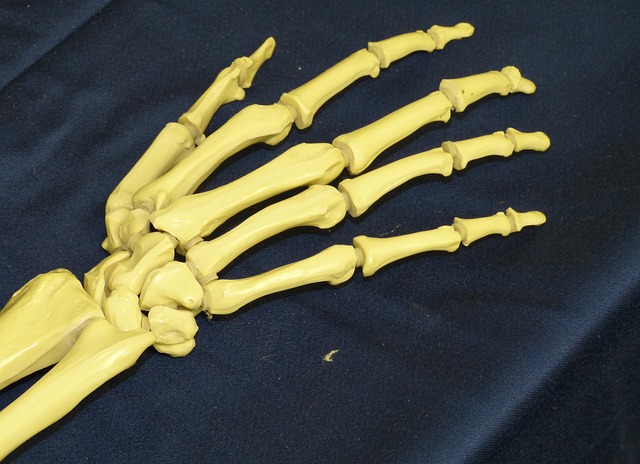
Mechanism of Action of Bone Growth Stimulators
Bone growth stimulators emit low-intensity electrical or ultrasonic waves that trigger osteoblast activity. These signals promote osteogenesis by influencing calcium ion channels and gene expression within bone-forming cells. Depending on clinical needs, the technology can be external, semi-invasive, or fully implanted. In spinal oncology cases, an external stimulator is often preferred to avoid interference with metallic implants or surgical hardware.
Pathophysiology of Cancer-Induced Vertebral Fractures
Metastatic lesions commonly weaken vertebral bodies by disrupting trabecular architecture. Many cancers create osteolytic environments through cytokine-mediated activation of osteoclasts, leading to rapid bone resorption. The result is structural instability, severe pain, and increased fracture risk. When mobility decreases, the natural stimuli for bone healing—mechanical load and vascular supply—are further reduced.
Clinical Application of Bone Stimulators for Back in Oncology Patients
Integrating a bone stimulator for back injuries into oncology care requires precise timing and coordination across specialties. It is not simply an orthopedic intervention but part of a multidisciplinary strategy addressing both tumor control and skeletal recovery.
Indications for Use in Cancer-Related Spinal Injuries
Bone stimulators are indicated when conventional fixation or fusion procedures are contraindicated due to poor bone quality or systemic disease burden. They are also valuable when chemotherapy or radiation impairs osteoblast function, delaying callus formation. After procedures such as vertebroplasty or kyphoplasty, stimulation may enhance consolidation around cemented regions and reduce the chance of adjacent-level fractures.
Integration with Multimodal Cancer Treatment Plans
Close collaboration between oncologists, radiologists, and spine surgeons is essential to align stimulation therapy with systemic treatments. Electrical fields must not interfere with pacemakers or implanted infusion pumps. Stimulation sessions are often scheduled during recovery phases after surgery or radiotherapy when inflammation subsides but before fibrotic tissue forms around the fracture site.
Evaluating the Efficacy of Bone Stimulation in Cancer-Induced Fracture Recovery
Research on bioelectrical stimulation in cancer-related fractures remains limited but promising. Clinical observations suggest measurable improvements in healing time and patient-reported outcomes.
Evidence from Clinical Research on Bone Healing Rates
Studies report enhanced callus formation and higher mineral density near fracture sites exposed to pulsed electromagnetic fields. Healing acceleration varies depending on tumor type, lesion size, prior radiation exposure, and systemic therapy history. Some trials note earlier return to ambulation and reduced analgesic requirements compared with standard care alone.
Limitations and Variables Affecting Treatment Outcomes
Patient-specific factors—such as nutritional status, age, hormonal balance, and metastatic load—strongly influence response rates. Radiation-induced fibrosis can limit tissue conductivity and reduce sensitivity to stimulation signals. Device placement accuracy also matters; even small misalignments can diminish therapeutic field strength at the target zone.
Safety Considerations and Contraindications in Oncology Settings
While generally safe, electrical stimulation near malignant tissue warrants careful evaluation due to theoretical risks of promoting unwanted cell proliferation.
Potential Risks Associated with Electrical Stimulation Near Tumor Sites
Concerns remain that electromagnetic fields might inadvertently stimulate residual cancer cells if applied directly over active lesions. Therefore, device placement should avoid areas of ongoing tumor growth or metallic implants used for stabilization. Continuous monitoring ensures compatibility with concurrent therapies such as immunotherapy or targeted biologics.
Regulatory and Ethical Aspects in Using Bone Stimulators for Cancer Patients
Regulatory bodies like the U.S. Food and Drug Administration (FDA) approve bone stimulators primarily for nonunion fractures rather than malignancy-related cases. Off-label use must be clinically justified with informed consent detailing potential benefits versus uncertain long-term oncologic effects. Ethical practice requires transparent discussion between physician and patient about expected outcomes.
Future Directions in Bioelectronic Support for Skeletal Regeneration in Cancer Care
Technological innovation continues to expand possibilities for personalized skeletal repair even in complex oncologic settings.
Emerging Technologies Enhancing Bone Repair Mechanisms
Next-generation stimulators are being developed to adapt their signal frequency based on real-time feedback from bone impedance measurements. Integration with nanomaterials or bioactive scaffolds could localize osteogenic effects while minimizing systemic exposure—a promising direction for fragile cancer patients recovering from spinal metastases.
Potential Role of Personalized Medicine and AI-Guided Protocols
Artificial intelligence may soon guide individualized stimulation parameters derived from imaging data such as CT-based bone density maps. Predictive algorithms could identify optimal pulse durations for each patient’s biological profile, improving efficiency while reducing treatment time.
FAQ
Q1: How does a bone stimulator help cancer patients’ broken bones?
A: It delivers low-level electrical or ultrasonic energy that activates bone-forming cells even when normal healing is slowed by cancer treatment.
Q2: Is it safe to use a bone stimulator near a tumor site?
A: It must be used cautiously; clinicians avoid applying it directly over active tumors to prevent potential stimulation of malignant cells.
Q3: Can it replace surgery for spinal fractures caused by cancer?
A: No, it serves as an adjunct when surgery is risky or incomplete but cannot substitute structural stabilization entirely.
Q4: How long does treatment usually take?
A: Daily sessions typically last 20–30 minutes over several weeks; duration depends on fracture severity and patient response.
Q5: Are these devices covered by insurance?
A: Coverage varies by region; some insurers reimburse use for nonunion fractures but may require special approval for oncology-related cases.