
The FDA’s Medical Device Approval Process: What Physicians Need to Know
The U.S. Food and Drug Administration (FDA) classifies medical devices into three categories based on risk and intended use. This classification dictates the level of regulatory scrutiny, data requirements, and post-market obligations. Physicians involved in product evaluation or clinical research benefit from knowing how these classes shape approval timelines, testing expectations, and compliance duties. A clear grasp of this system allows better alignment between clinical evidence generation and regulatory strategy.
Understanding the Framework of Medical Device Classification
Medical device classification forms the foundation of FDA regulation. It defines how much control is required to manage risks while allowing innovation to reach patients safely.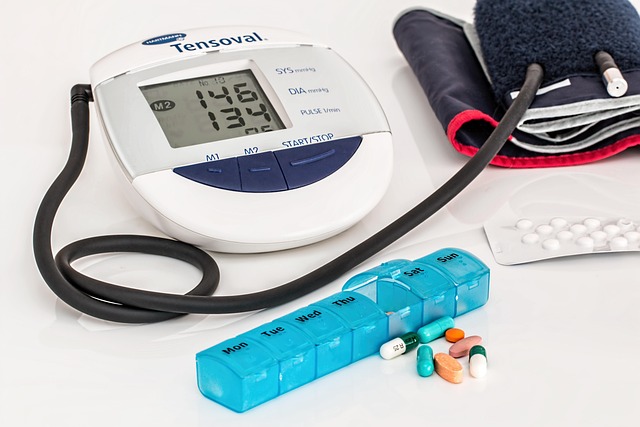
The Purpose and Importance of Device Classification
Classification sets the level of oversight needed to confirm that a device performs as intended without posing unreasonable risk to users. It also provides structure for determining premarket submissions and helps forecast review complexity. For instance, a simple surgical instrument faces minimal documentation, while an implantable cardiac device undergoes extensive testing before clearance.
The Three FDA Medical Device Classes Explained
Class I Devices: These are low-risk products such as manual surgical tools or stethoscopes. They follow general controls like establishment registration, labeling accuracy, and adherence to quality system regulations under 21 CFR Part 820.
Class II Devices: Moderate-risk devices—like infusion pumps or powered wheelchairs—require special controls beyond general ones. Most need a 510(k) submission showing substantial equivalence to an existing legally marketed device.
Class III Devices: High-risk or novel technologies—such as pacemakers or artificial hearts—generally require Premarket Approval (PMA). This process demands comprehensive scientific evidence proving safety and effectiveness before market entry.
How Classification Influences the FDA Approval Pathway?
Device classification directly shapes which regulatory route a manufacturer must follow. Each pathway balances innovation with patient protection by scaling review rigor according to risk.
Correlation Between Risk Level and Regulatory Burden
As device risk increases, so does the depth of required data and FDA scrutiny. Class III products typically need clinical trials before approval, whereas Class I devices may not require premarket review at all. Post-market obligations also differ; higher-risk devices often face mandatory surveillance programs to track performance in real-world use.
Overview of Common FDA Submission Pathways
Exemptions: Many Class I and some Class II devices are exempt from premarket submission but must still meet labeling and manufacturing standards.
510(k) Clearance: This pathway demonstrates that a new device is substantially equivalent to a predicate already cleared by the FDA. It’s common for moderate-risk products.
De Novo Classification: For novel low-to-moderate risk devices without predicates, this route establishes a new classification through risk-based evaluation.
Premarket Approval (PMA): Reserved for high-risk devices, PMA requires valid scientific evidence from bench tests, animal studies, and human clinical trials reviewed in detail by the FDA.
Key Regulatory Controls Across Device Classes
All medical device classes share baseline regulatory expectations, but additional layers apply as risk rises. These controls ensure consistent manufacturing quality and truthful communication about product use.
General Controls Applicable to All Classes
Every manufacturer must register its establishment with the FDA and list its devices before marketing. Labeling rules demand clear identification of intended use and warnings where necessary. Quality System Regulation (QSR) under 21 CFR Part 820 governs design validation, production processes, and corrective actions across all classes.
Special Controls for Class II Devices
For moderate-risk products, special controls may include performance standards or post-market studies verifying continued safety. Guidance documents often specify testing protocols or labeling elements tailored to each device type—for example, electrical safety standards for diagnostic imaging systems or sterility assurance levels for reusable instruments.
Premarket Approval Requirements for Class III Devices
PMA submissions must include detailed descriptions of design, manufacturing methods, nonclinical testing results, and clinical evidence demonstrating both safety and effectiveness. The FDA may consult advisory panels when evaluating complex technologies such as implantable neurostimulators or gene therapy delivery systems.
Strategic Considerations in Navigating the FDA Pathway?
Manufacturers planning early can avoid costly rework later in development. Accurate classification decisions save time by aligning testing plans with regulatory expectations from the start.
Determining the Appropriate Classification Early in Development
Early assessment influences study design, documentation scope, and project timelines. Misjudging classification can trigger delays if additional submissions become necessary later under 21 CFR 807.81(a)(3). Engaging with the FDA through pre-submission meetings helps clarify requirements before formal filing.
Leveraging Predicate Devices and Precedents Effectively
Identifying suitable predicate devices simplifies 510(k) preparation by allowing manufacturers to reference existing test data formats or performance benchmarks already accepted by regulators. Reviewing prior clearances within similar product categories offers insight into what evidence satisfies equivalence criteria.
Preparing Robust Documentation to Support Review Efficiency
Comprehensive technical files with clear traceability between design inputs, verification results, and risk assessments speed up review cycles. Well-structured submissions reduce follow-up questions from reviewers and demonstrate disciplined quality management practices expected under QSR principles.
Post-Market Responsibilities Linked to Device Classification?
Regulatory obligations do not end after approval; ongoing oversight ensures long-term performance consistency once products reach patients.
Ongoing Compliance Obligations After Market Entry
Manufacturers must maintain complaint handling systems capable of detecting adverse events promptly. Corrective actions must be documented under CAPA procedures defined in quality regulations. For higher-risk devices like implants or life-supporting equipment, post-approval studies often track durability or complication rates over time.
Monitoring Changes That May Affect Classification or Clearance Status
Design updates or expanded indications can alter a product’s regulatory status. Under 21 CFR 807.81(a)(3), significant modifications may require new submissions such as an updated 510(k) or PMA supplement. Continuous internal audits help identify when such changes cross regulatory thresholds that necessitate re-engagement with the FDA.
FAQ
Q1: What determines whether a device falls into Class I, II, or III?
A: The classification depends on intended use and potential risk to patients; higher-risk devices face stricter controls including premarket approval requirements.
Q2: Can a Class I device ever need a 510(k)?
A: Most Class I devices are exempt from 510(k), but some still require it if specific risks warrant additional oversight beyond general controls.
Q3: How long does PMA review typically take?
A: A standard PMA review averages six months but may extend if additional data are requested during scientific evaluation or advisory panel consultation.
Q4: What is “substantial equivalence” in a 510(k)?
A: It means the new device has the same intended use and technological characteristics—or differences that don’t raise new safety questions—as an already cleared predicate device.
Q5: When should manufacturers contact the FDA during development?
A: Ideally early in concept refinement via pre-submission meetings to confirm classification assumptions and align testing strategies with regulator expectations.