
What a spinal cord nerve stimulator is designed to do
A spinal cord nerve stimulator, more commonly called a spinal cord stimulator or SCS, is an implanted neuromodulation system used to manage certain forms of long-term, difficult-to-control pain. It does not repair a damaged nerve, reverse diabetes, or cure an underlying spine condition. Instead, it delivers programmed electrical pulses near the spinal cord to modify how pain signals are processed before they are perceived by the brain.
A typical SCS system includes an implantable pulse generator, one or more leads placed in the epidural space, a patient controller, and clinician programming tools. FDA device summaries describe these systems as aids for chronic intractable pain in the trunk or limbs, including pain associated with failed back surgery syndrome, intractable low back and leg pain, and, for some approved systems, painful diabetic neuropathy of the lower extremities.
For readers following broader device development, this topic sits within the larger Spinal Devices category, where clinical evidence, regulatory requirements, and post-market safety all influence how technologies are evaluated.
When clinicians consider spinal cord stimulation
Spinal cord stimulation is usually considered after more conservative treatments have failed to provide acceptable pain relief or functional improvement. CMS local coverage language describes SCS as a therapy that may be covered for chronic intractable pain and notes that it is best suited for neuropathic pain, although some severe nociceptive pain states may have limited use cases. In practice, clinicians often consider SCS when pain is persistent, disabling, and refractory despite medication management, rehabilitation, behavioral strategies, injections, or other appropriate care.
Common clinical contexts include persistent spinal pain after surgery, neuropathic leg pain, complex regional pain syndrome, and selected cases of painful diabetic neuropathy when the proposed device has the relevant regulatory indication. NICE guidance for chronic neuropathic or ischemic pain also frames SCS as a treatment considered after standard treatments have not worked, and it emphasizes multidisciplinary care rather than device implantation as a stand-alone solution.
Patient selection is one of the strongest themes across coverage policies and consensus recommendations. Before a permanent implant, clinicians generally review the diagnosis, pain pattern, imaging and procedural history, medical risks, psychological readiness, functional goals, and the patient’s ability to use and maintain the device. Patients with widespread non-neuropathic pain, unrealistic expectations, uncontrolled infection risk, or inability to operate the controller may not be good candidates.
The trial period is a key decision point
Most SCS pathways include a temporary trial before permanent implantation. During the trial, one or more leads are placed temporarily and connected to an external stimulator. The purpose is to test whether stimulation meaningfully reduces the target pain and improves function without intolerable side effects. CMS coverage language states that an effective trial must be performed and documented before permanent nerve stimulation.
A commonly used benchmark is at least 50% reduction in target pain. Clinicians may also consider reduced analgesic use, improved walking, better sleep, or other measurable functional gains. Some policies and practices recognize that certain pain conditions may take longer to show improvement, so the decision is not always based on one number alone. Even so, a trial that does not produce meaningful benefit is an important warning sign against proceeding to permanent implantation.
| Decision area | Why it matters | Questions to ask |
|---|---|---|
| Pain type | SCS tends to fit neuropathic pain better than nonspecific pain. | Is my pain pattern one that has evidence for SCS? |
| Trial response | The temporary trial estimates whether a permanent implant may help. | What level of pain relief and functional change would count as success? |
| Device management | Patients must charge, adjust, and report issues with the system. | Will I be able to operate the controller and follow programming instructions? |
| Risk profile | Bleeding risk, infection risk, diabetes control, and prior surgeries affect planning. | What personal factors increase my complication risk? |
| Long-term plan | Programming, battery life, imaging rules, and possible revision affect outcomes. | Who manages follow-up if pain changes or the device stops helping? |
What the evidence suggests and where it is limited
The evidence base is strongest when SCS is matched to a specific pain condition, compared with a defined alternative, and followed with meaningful outcomes beyond pain scores. In a 2007 multicenter randomized trial of 100 patients with failed back surgery syndrome and predominant neuropathic leg pain, 48% of patients assigned to SCS plus conventional medical management achieved at least 50% leg pain relief at six months, compared with 9% assigned to conventional medical management alone. The same study reported better quality-of-life and functional outcomes in the SCS group, but it also reported device-related complications in a notable proportion of patients by 12 months.
Evidence has also expanded for painful diabetic neuropathy. FDA records show that on July 16, 2021, the Senza SCS system received an expanded indication for chronic intractable lower-limb pain associated with diabetic neuropathy when programmed to include 10 kHz stimulation. FDA materials for Abbott Prodigy, Proclaim, and Proclaim XR systems later described an expanded indication for diabetic peripheral neuropathy of the lower extremities using tonic stimulation mode, with the public FDA page listing an approval date of February 15, 2023.
One major randomized clinical trial in painful diabetic neuropathy enrolled 216 participants with refractory symptoms and compared conventional medical management alone with 10 kHz SCS plus conventional management. Published 24-month follow-up of implanted participants reported durable pain reduction, improved quality-of-life and sleep measures, and infection-related explants in a small percentage of implanted systems. These findings are clinically important, but they still need context: trial populations are selected, protocols are structured, and real-world outcomes depend on diagnosis, technique, programming, follow-up, and patient adherence.
The most responsible conclusion is not that SCS is universally effective. It is that a spinal cord nerve stimulator can be a meaningful option for carefully selected patients with refractory neuropathic pain patterns, especially when the trial is clearly successful and the care team has a long-term management plan.
Risks, limitations, and device management
FDA patient and physician labeling for SCS systems describes risks that overlap with other spinal procedures and implanted electrical devices. These include temporary pain at the incision or implant site, infection, cerebrospinal fluid leak, bleeding, hematoma, seroma, lead migration, unpleasant stimulation, loss of pain relief, device malfunction, battery or component failure, and the need for revision or removal. Rare but serious complications can include spinal cord injury, neurological deficit, or paralysis. See also: Implants.
Lead movement is one of the practical limitations patients need to understand before implantation. If leads shift from their intended location, stimulation may feel different, become uncomfortable, or stop covering the painful area. Reprogramming may help in some cases. Other cases may require imaging, lead revision, or explantation.
Implanted systems also create lifestyle and medical-procedure considerations. Many current devices are labeled as MR conditional rather than simply MRI safe, which means scanning may be allowed only under specific conditions tied to the exact device model, lead configuration, and body region being imaged. Patients should keep their implant identification card and inform radiology, surgery, emergency, and dental teams that they have an implanted neurostimulation system.
Post-market surveillance is another reason device identification matters. FDA recall databases have listed Class II actions involving certain SCS components and related programmer or recharger systems in recent years, including entries in 2024 and 2025. A recall listing does not mean every device in a product family is affected, but it reinforces the need for patients and clinicians to track model numbers, manufacturer notices, software updates, and unexplained changes in therapy performance.
How patients can prepare for a balanced discussion
A good SCS discussion should connect the device to a specific treatment goal. The goal might be walking longer, sleeping with fewer awakenings, reducing rescue medication, returning to selected activities, or making pain more tolerable. Vague expectations, such as making pain disappear completely, can lead to disappointment because SCS is typically evaluated by meaningful improvement rather than cure.
- Ask whether your pain is neuropathic, nociceptive, mixed, or uncertain.
- Ask which diagnosis and regulatory indication apply to the device being proposed.
- Ask what conservative treatments have been tried and documented.
- Ask how trial success will be measured before the trial begins.
- Ask whether the system is rechargeable or non-rechargeable and how battery management works.
- Ask about MRI conditions, airport and security screening, driving restrictions, and procedure interactions.
- Ask who handles programming, urgent troubleshooting, infection concerns, and long-term follow-up.
Patients should also discuss anticoagulants, diabetes control, immune suppression, smoking, prior infections, and previous spine operations, because these factors can influence procedural planning and complication risk. The final decision should be individualized and made with a qualified pain, neurosurgical, orthopedic spine, or neuromodulation team.
Frequently asked questions
Is a spinal cord nerve stimulator the same as a TENS unit?
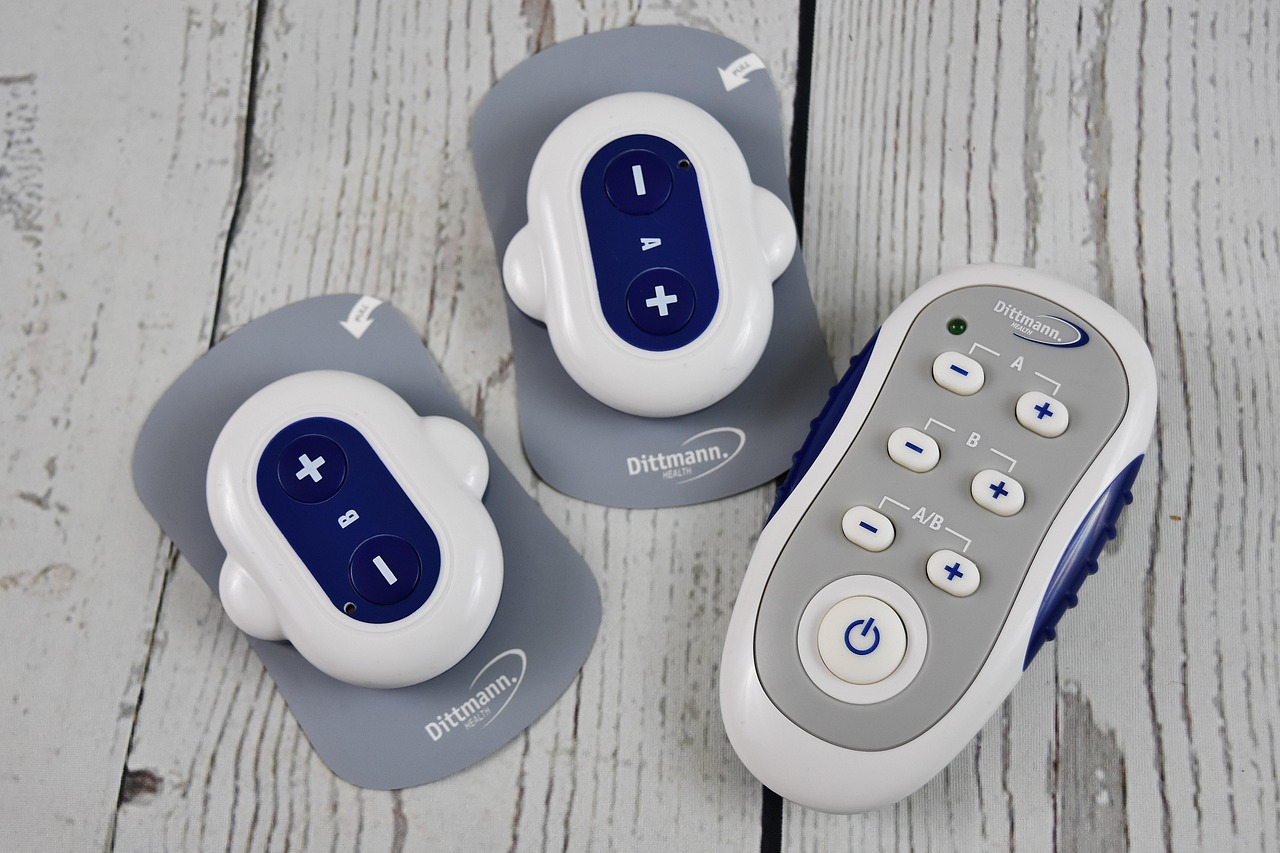
No. A TENS unit is an external device that delivers stimulation through the skin. A spinal cord stimulator is an implanted system with leads placed near the spinal cord and a pulse generator placed under the skin. Because it is implanted, SCS involves surgical risks, device management, and long-term follow-up.
Does a successful trial guarantee the permanent implant will work?
No. A successful trial improves confidence, but it does not guarantee long-term relief. Lead position, healing, scar tissue, programming, disease progression, activity level, and device issues can all affect outcomes after implantation.
Can the device be removed?
In many cases, an SCS system can be explanted if it causes infection, fails, becomes ineffective, or is no longer wanted. Removal is still a medical procedure and may carry risks, especially if leads have been implanted for a long time or if scar tissue is present.
Who should not receive spinal cord stimulation?
FDA materials commonly list patients who cannot operate the system, do not receive effective relief during trial stimulation, or are poor surgical candidates as unsuitable for implantation. Individual contraindications depend on the device, medical status, infection risk, and clinician judgment.
What is the most important takeaway?
A spinal cord nerve stimulator is best viewed as a specialized option for selected chronic pain patients, not a general solution for all back or nerve pain. The strongest pathway includes a clear diagnosis, failed conservative care, multidisciplinary screening, a well-documented trial, realistic goals, and a plan for long-term device management.