
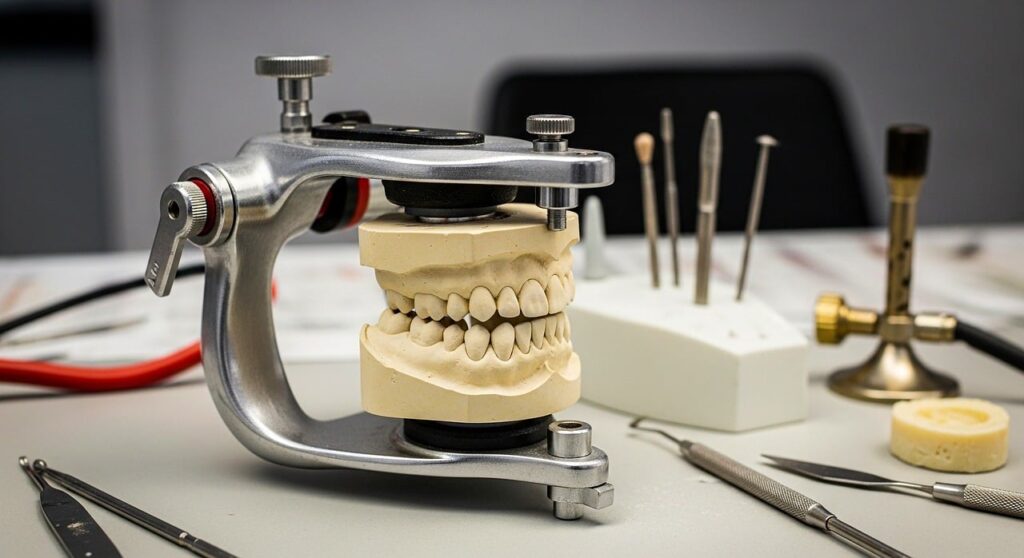
Why titanium works so well in dental implants
Titanium is not used in dental implants simply because it is strong. It is used because its surface can interact predictably with bone, it resists corrosion under normal oral conditions, and it can be manufactured into precise implant bodies, abutments and screws. The U.S. Food and Drug Administration notes that most dental implant systems are made from titanium or zirconium oxide, while ISO and ASTM standards define material requirements for implant metals. For readers following broader developments in Implants, titanium remains central because it offers a practical balance of biological compatibility, mechanical reliability and manufacturing consistency.
The practical conclusion is clear: titanium is a proven dental implant material, but it is not a magic material. Its performance depends on implant design, surface treatment, surgical planning, oral hygiene, bite forces, patient health and long-term maintenance.
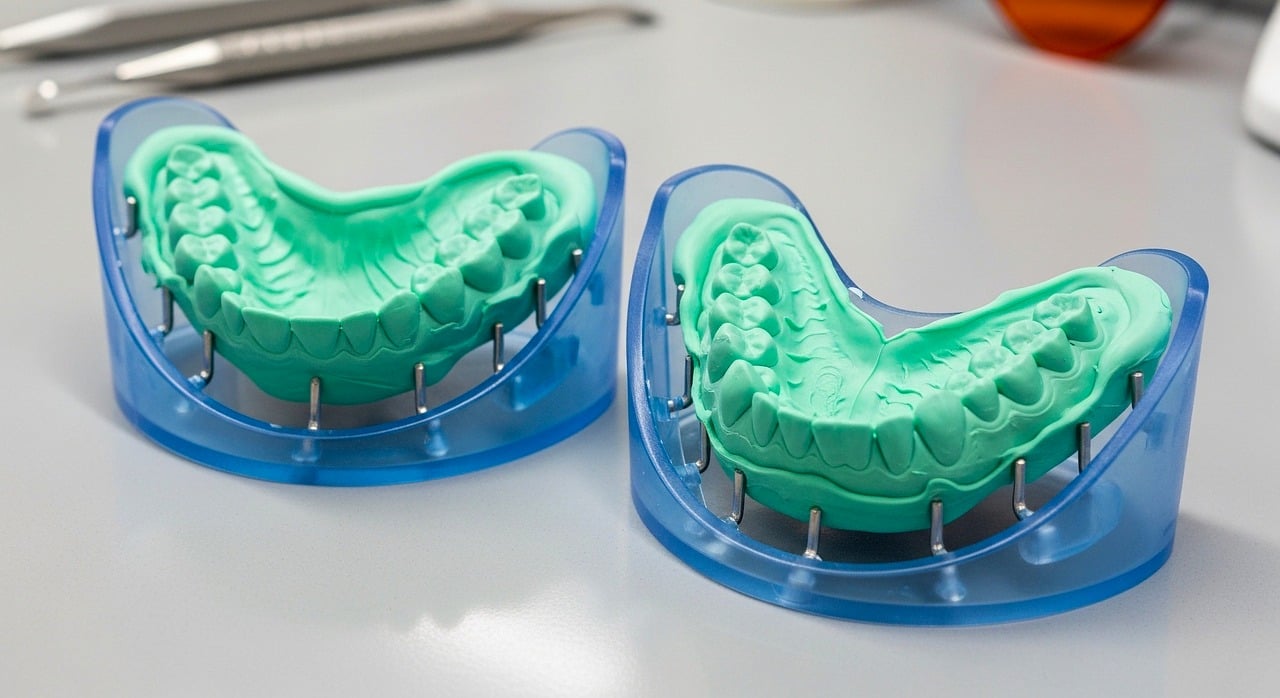
What part of a dental implant is usually titanium?
A dental implant system is more than the screw-shaped post many patients picture. In a typical system, the implant body is surgically placed in the jawbone to replace the tooth root. An abutment connects that implant body to the visible restoration, such as a crown, bridge or denture. Some systems also include an abutment fixation screw.
Titanium may be used in the implant body, abutment, fixation screws or other prosthetic components. In many modern systems, the endosseous fixture is commercially pure titanium or a titanium alloy. The exact material varies by manufacturer, indication and component. For example, a component exposed to higher mechanical stress may use a titanium alloy rather than unalloyed titanium.
This distinction matters because the phrase “titanium implant” can sound as if every component is made from the same material. In practice, implant systems are engineered assemblies. Material grade, surface texture, connection geometry and prosthetic design all influence how the implant performs.
The material science behind titanium and bone integration
The key biological reason titanium became important in implant dentistry is osseointegration. In practical terms, osseointegration means a stable, direct structural relationship between living bone and the implant surface. A dental implant does not function like a natural tooth ligament. It relies on stable bone anchorage instead.
Titanium is useful because it naturally forms a thin titanium oxide layer on its surface. This oxide layer helps explain the material’s corrosion resistance and biological compatibility. It also provides a surface where proteins, cells and mineral-related processes can take part during healing. Research reviews on dental implant surfaces consistently describe surface chemistry, roughness and wettability as important factors in early bone response.
Surface treatment is therefore not cosmetic. Many implants are blasted, etched, anodized or otherwise modified to create a micro-rough or multi-scale texture. These surfaces are designed to support blood contact, cell attachment and bone formation. However, no surface can compensate for poor case selection, uncontrolled infection, severe overload or lack of maintenance.
Commercially pure titanium, titanium alloys and zirconia
Not all titanium implant materials are the same. Standards and scientific literature commonly separate commercially pure titanium from titanium alloys. Commercially pure titanium is unalloyed titanium, but it is still available in different grades with different mechanical properties. Titanium alloys add other elements to increase strength or adjust performance.
| Material category | Typical use in implant dentistry | Main advantage | Important limitation |
|---|---|---|---|
| Commercially pure titanium | Implant bodies and some components | Strong clinical history, corrosion resistance and favorable biocompatibility | Lower strength than some titanium alloys, depending on grade and design |
| Ti-6Al-4V titanium alloy | Abutments, screws and selected implant components | Higher mechanical strength for demanding components | Contains aluminum and vanadium, so corrosion and particle release discussions are more nuanced |
| Titanium-zirconium alloys | Narrower or higher-strength implant applications in some systems | Designed to combine titanium-like biocompatibility with improved strength | Product-specific evidence and indications should be reviewed |
| Zirconia | Metal-free implant option in selected cases | Tooth-colored appearance and non-metallic composition | Less long-term evidence in some indications compared with titanium systems |
For patients, the most useful question is not “Is titanium better than every other material?” A better question is “Which material and design fit this clinical situation?” Titanium has the broadest clinical history, while zirconia may be considered when esthetics, tissue thickness, patient preference or metal sensitivity concerns are part of the treatment discussion.
How standards and regulation shape titanium implant safety
Dental implant materials are not assessed only by marketing claims. In the United States, dental implant systems are medical devices. The FDA explains that dental implant systems are typically evaluated using international consensus standards, and manufacturers must show that systems are as safe and effective as legally marketed devices when seeking market clearance through applicable pathways.
Material standards help define what “titanium” means in a medical implant context. ASTM F67 covers unalloyed titanium for surgical implant applications. ISO 5832-2 addresses unalloyed titanium for surgical implants, and ISO 5832-3 addresses wrought Ti-6Al-4V alloy for surgical implants. These standards focus on characteristics such as chemical composition, mechanical properties and test methods. They do not guarantee clinical success by themselves, but they reduce ambiguity in material selection and quality control.
In October 2024, the FDA issued final guidance on performance criteria for endosseous dental implants and endosseous dental implant abutments in the Safety and Performance Based Pathway. That guidance reflects a broader regulatory trend: implant systems are evaluated not only as raw materials, but as complete devices with performance, biocompatibility and engineering requirements.
Benefits of titanium in dental implants
Titanium’s advantages come from a combination of properties, not from one single feature.
- Biocompatibility: Titanium is generally well tolerated when used in appropriately designed implant systems and evaluated under medical device requirements.
- Osseointegration support: Titanium surfaces can be engineered to encourage stable bone contact during healing.
- Corrosion resistance: The titanium oxide layer protects the surface under typical oral conditions, although it can be challenged by inflammation, wear, low pH or other chemical factors.
- Mechanical reliability: Titanium and titanium alloys provide strength for chewing loads while allowing precise manufacturing of threads, connections and small components.
- Long clinical experience: Titanium has been used in dental implantology for decades, giving clinicians and regulators a substantial evidence base compared with newer materials.
These benefits explain why titanium remains common even as ceramic and hybrid material options receive more attention. In many cases, titanium offers a strong balance of performance, evidence and manufacturability. See also: Fixation.
Limitations and safety questions patients should understand
Titanium is often described as highly biocompatible, but “biocompatible” does not mean “risk-free.” The FDA lists possible implant complications including local infection, delayed healing, poor oral hygiene around the implant, screw loosening, implant body failure and nerve or sinus-related surgical complications. Many of these risks are not caused by titanium itself, but they can affect the success of titanium implant systems.
Metal release is another area that requires careful wording. Scientific reviews have reported titanium particles or ions in tissues around implants, especially in the context of wear, corrosion, implantoplasty, implant-abutment micromovement, inflammation or peri-implantitis. Reviews also note that the evidence does not prove a simple one-way causal relationship in every case. In other words, titanium particles may be associated with diseased peri-implant tissues, while inflammation and biofilm may also contribute to material degradation.
Allergy or hypersensitivity to titanium is considered uncommon, but patients with a history of metal reactions should discuss it before treatment. A clinician may review the exact implant system, component materials and alternatives. Patients should also keep the brand and model information for their records, as the FDA recommends.
What affects the success of a titanium implant besides the material?
Material selection is only one part of implant success. A titanium implant placed in an unfavorable clinical environment can fail, while a well-selected implant system can perform reliably for many years. Important factors include:
- Bone volume and quality: Adequate bone support is needed for primary stability and long-term load distribution.
- Oral hygiene: Cleaning around implants is essential because plaque accumulation can contribute to peri-implant inflammation.
- Smoking: The FDA notes that smoking may affect healing and decrease long-term implant success.
- Diabetes and systemic health: Uncontrolled systemic disease can increase infection and healing risks.
- Bite forces: Bruxism, poor prosthetic design or overload can stress implant components and surrounding bone.
- Maintenance visits: Regular dental follow-up allows clinicians to detect inflammation, screw loosening, prosthetic wear or bone changes early.
This is why responsible implant planning goes beyond the material brochure. A clinician must evaluate anatomy, periodontal health, medical history, esthetic needs, prosthetic space and patient habits before recommending a system.
Frequently asked questions
Is titanium in dental implants pure titanium?
Sometimes, but not always. Many implant bodies use commercially pure titanium, while other components may use titanium alloys such as Ti-6Al-4V. Patients who want specifics should ask for the implant brand, model and material information.
Is titanium better than zirconia for dental implants?
Titanium has a longer and broader clinical history, while zirconia offers a non-metallic, tooth-colored option for selected cases. The better choice depends on bone conditions, esthetic demands, component design, clinician experience and patient-specific risk factors.
Can titanium dental implants corrode?
Titanium is highly corrosion resistant because of its oxide layer, but it is not completely immune to degradation. Low pH, inflammation, bacterial biofilm, mechanical wear and interactions with other materials may contribute to corrosion or particle release in some situations.
How long does it take for titanium implants to integrate with bone?
Healing varies by patient, implant site and procedure. The FDA notes that healing of the implant body may take several months or longer. Bone quality, grafting, smoking status, systemic health and loading protocol can all change the timeline.
Should patients with metal sensitivity avoid titanium implants?
Not automatically. Titanium sensitivity appears uncommon, but anyone with a history of metal reactions should discuss it with a dentist, periodontist or oral surgeon before treatment. In some cases, additional evaluation or a zirconia option may be considered.
The bottom line
Titanium is used in dental implants because it offers a rare combination of bone integration potential, corrosion resistance, mechanical strength, manufacturability and decades of clinical experience. Standards from organizations such as ISO and ASTM help define the material requirements, while FDA evaluation focuses on the safety and effectiveness of the complete implant system.
Still, titanium is only one part of the outcome. The best results depend on careful diagnosis, evidence-based treatment planning, skilled placement, appropriate restoration and long-term maintenance. For patients and industry readers, the most accurate view is balanced: titanium is a leading implant material because it performs well in the right conditions, not because it eliminates every biological or mechanical risk.