
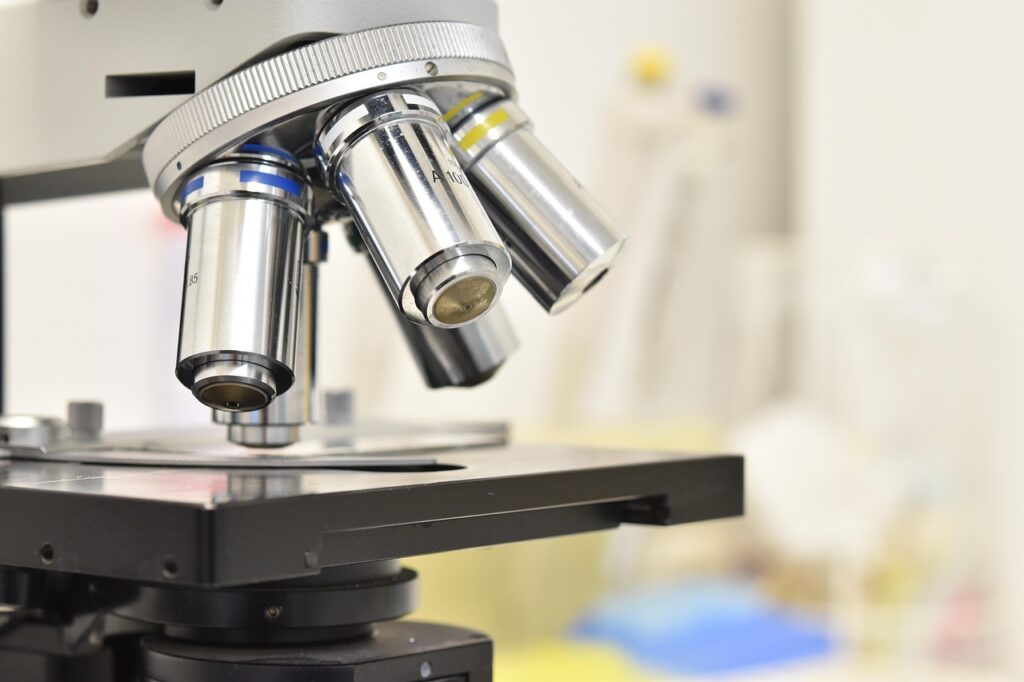
Why lab instruments matter beyond the purchase order
Lab instruments are not just bench tools. In a medical laboratory, they sit inside a controlled testing process that affects specimen integrity, analytical accuracy, turnaround time, operator safety, data quality, and regulatory readiness. A centrifuge running at the wrong speed, a refrigerator drifting outside its range, or an analyzer with undocumented calibration can compromise results even when staff are well trained. The practical question is not only which instrument to buy, but how each instrument will be selected, verified, maintained, documented, and eventually retired.
This article looks at laboratory instruments as workflow-critical assets. The focus is on medical and diagnostic laboratories, although many of the same principles apply in research, public health, biobank, and quality control settings. For more instrument-focused articles, visit the Instruments section.
Core categories of lab instruments in medical laboratories
Most laboratories group instruments by function rather than by brand. This is useful because it connects each asset to a specific step in the testing process and makes risk easier to evaluate. A typical medical laboratory uses a mix of pre-analytical, analytical, support, safety, and information-management systems.
| Instrument category | Common examples | Main risk if poorly controlled |
|---|---|---|
| Pre-analytical instruments | Centrifuges, specimen mixers, barcode scanners, aliquoting systems | Specimen mix-up, hemolysis, separation errors, delayed processing |
| Analytical instruments | Chemistry analyzers, hematology analyzers, immunoassay systems, PCR platforms, microscopes | Incorrect patient results, poor precision, failed quality control, invalid runs |
| Environmental and storage equipment | Refrigerators, freezers, incubators, water baths, humidity-controlled cabinets | Reagent or specimen degradation, culture failure, unstable assay conditions |
| Safety and containment equipment | Biological safety cabinets, fume hoods, autoclaves, sealed centrifuge rotors, sharps systems | Exposure to infectious or chemical hazards, contamination, ineffective decontamination |
| Data and connectivity systems | Middleware, instrument interfaces, laboratory information systems, audit-trail software | Result transcription errors, incomplete traceability, cybersecurity or access-control gaps |
This classification helps laboratories avoid a narrow purchasing view. A small bench centrifuge may appear simple, but it still needs documented speed checks, rotor inspection, cleaning instructions, load-balancing procedures, and a plan for tube breakage. A high-throughput analyzer adds more complexity because it may require method verification, reagent lot management, calibration, quality control rules, interface validation, service access, cybersecurity review, and staff competency assessment.
A selection framework that connects instruments to risk
The most suitable instrument is the one that fits the laboratory’s workload, specimen type, staffing model, quality requirements, and physical environment. Price matters, but it should not be the first filter. A low-cost instrument can become expensive if it leads to repeat testing, downtime, reagent waste, difficult maintenance, or weak documentation.
Define the intended use before comparing models
Start with the test menu and workflow. A laboratory should define which specimens will be processed, the expected result range, how many samples will be handled per shift, whether STAT testing is required, and how the instrument will interact with existing systems. For example, a chemistry analyzer selected for a small clinic may need compact size, low daily maintenance, and simple operator steps. A hospital core laboratory may put more weight on throughput, onboard reagent capacity, automated repeat testing, bidirectional interface capability, and redundancy.
Check environmental and facility requirements
In the publicly available U.S. CLIA regulations, 42 CFR 493.1252 requires laboratories to define and document conditions that are essential for proper reagent and specimen storage, accurate test system operation, and reliable reporting. The examples listed include water quality, temperature, humidity, and protection from electrical current fluctuations that could affect patient results. Even outside the United States, these are practical design questions. Instruments may need dedicated circuits, backup power, ventilation clearance, purified water, temperature monitoring, vibration control, or stable benching.
Evaluate documentation and service support
Before installation, a medical laboratory should review the operator manual, maintenance schedule, calibration instructions, reagent storage requirements, error-code explanations, decontamination procedures, software update policy, and service response model. If the instrument will be used for patient testing, staff should also confirm whether the manufacturer’s instructions are detailed enough to support procedure writing, training, quality control, troubleshooting, and audit preparation.
Consider total workflow cost
The acquisition price is only one part of cost. Consumables, reagents, controls, calibration materials, service contracts, preventive maintenance, proficiency testing needs, software licenses, interface fees, waste disposal, power consumption, and staff time all contribute to the true cost of operation. A practical comparison should include expected volume, cost per reportable result, downtime risk, and how easily another instrument can cover testing during a service interruption.
Verification, calibration, and daily control after installation
Installation is the point where an instrument moves from purchasing to controlled use. A laboratory should not assume that a new instrument is ready for patient testing because it powers on or passes a vendor demonstration. The key question is whether the instrument performs acceptably in the laboratory’s actual environment, with its own staff, specimens, reagents, and workflow.
Installation and operational checks
Installation qualification confirms that the instrument was received, placed, connected, and configured as expected. Operational checks confirm that basic functions work within defined limits. Examples include temperature mapping for storage devices, speed verification for centrifuges, optical checks for readers, pipette performance checks, incubator stability review, and interface testing for result transmission. The depth of these checks should match the risk of the instrument and the consequences of failure.
Method verification for patient testing
For nonwaived clinical testing in the United States, CLIA rules require laboratories to verify or establish performance specifications under 42 CFR 493.1253 before reporting patient results. Depending on the test system and regulatory classification, this may involve accuracy, precision, reportable range, reference intervals, analytical sensitivity, analytical specificity, or other characteristics. The instrument is only one part of the test system, but instrument performance can influence each of these measures.
Calibration and calibration verification
Calibration links the instrument response to known values. Calibration verification checks that the relationship remains valid across the reportable range. Under 42 CFR 493.1255, calibration and calibration verification procedures are used to substantiate continued accuracy throughout the reportable range, and laboratories must perform and document applicable procedures according to manufacturer instructions and laboratory-defined criteria. In practical terms, calibration is not a formality. It is part of the evidence that the instrument can generate reliable results over time.
Daily quality control and maintenance records
Daily use requires consistent records. Laboratories should document routine maintenance, quality control results, corrective actions, reagent lot changes, calibration events, temperature logs, service visits, software updates, and instrument downtime. The record should show not only what happened, but whether the instrument was acceptable for use and who made that decision. If quality control fails, the response should include investigation, corrective action, review of potentially affected results, and clear criteria for returning the instrument to service.
Safety, containment, and ergonomics cannot be secondary
Instrument selection should include safety from the start. The CDC and NIH publication Biosafety in Microbiological and Biomedical Laboratories, commonly known as BMBL, emphasizes risk assessment, primary containment, safe practices, and facility safeguards for work with biological agents. CDC guidance for diagnostic laboratories also highlights training, biological safety cabinets, personal protective equipment, decontamination, spill response, autoclaves, and safe waste handling as part of laboratory safety practice.
Safety considerations vary by instrument. Centrifuges can generate aerosols if tubes break, so sealed rotors or safety cups may be needed for certain specimens. Biological safety cabinets require proper certification, placement, airflow awareness, and work practices that avoid disrupting containment. Autoclaves need validated cycles, load patterns, maintenance, and burn-prevention procedures. Chemical analyzers and staining platforms may require ventilation, spill kits, compatible waste containers, and a written chemical hygiene program when hazardous chemicals are used. See also: Implants.
OSHA standards are also relevant in U.S. workplaces. The Bloodborne Pathogens standard addresses occupational exposure to blood and other potentially infectious materials, while the Laboratory standard requires a written Chemical Hygiene Plan when hazardous chemicals are used in covered laboratory settings. These requirements reinforce a practical point: the instrument, operator, specimen, chemical, and workspace must be considered together.
Ergonomics is another safety issue. Heavy rotors, awkward sample loading, repetitive pipetting, low display height, tight maintenance access, and noisy equipment can increase fatigue or injury risk. When evaluating a new analyzer, a laboratory should consider how staff will load samples, replace reagents, empty waste, clear clots, scan barcodes, clean surfaces, and access emergency stops. Good ergonomics supports both staff safety and consistent performance.
Data integrity and lifecycle planning are now instrument issues
Modern lab instruments increasingly depend on software, connectivity, user permissions, audit trails, and data transfer. A reliable analytical result can still become a quality problem if the wrong patient identifier is attached, if results are manually transcribed, if an interface truncates data, or if unauthorized users can change settings without review. Data integrity should therefore be part of instrument qualification and routine oversight.
Connectivity and result transmission
Bidirectional interfaces can reduce transcription errors and improve turnaround time, but they need validation. The laboratory should confirm that orders download correctly, specimen identifiers match, flags transfer as intended, reference intervals display correctly, abnormal results are handled appropriately, and corrected results remain traceable. Middleware rules should be version-controlled and reviewed when assays, instruments, or laboratory information systems change.
Access control and audit trails
Role-based access is important because not every user should be able to change calibration settings, quality control rules, reference ranges, units, or reporting logic. Audit trails should be available and reviewable for critical changes. If an instrument stores patient-related information, the laboratory should also consider data backup, retention, downtime procedures, and cybersecurity expectations from the broader healthcare organization.
Lifecycle review and retirement
Every instrument should have a lifecycle plan. This includes expected service life, spare parts availability, software support, vendor notices, end-of-service dates, backup testing arrangements, and criteria for replacement. Replacement should be considered before failure becomes frequent. Warning signs include rising downtime, repeated quality control failures, discontinued reagents, unavailable service parts, unsupported operating systems, poor interface compatibility, or inability to meet current workload.
A practical checklist before approving a lab instrument
The following checklist can help laboratories move from product comparison to controlled implementation:
- Define intended use, specimen types, test volume, turnaround expectations, and required performance.
- Confirm space, power, water, ventilation, temperature, humidity, vibration, and network requirements.
- Review manufacturer instructions for installation, operation, maintenance, calibration, cleaning, and troubleshooting.
- Assess safety needs, including containment, PPE, waste handling, spill response, chemical hygiene, and decontamination.
- Estimate total operating cost, including reagents, controls, calibrators, service, interfaces, and staff time.
- Plan installation checks, method verification, staff training, competency assessment, and procedure approval.
- Validate data transmission, user permissions, audit trails, backup, and downtime workflows where applicable.
- Create logs for maintenance, calibration, quality control, service, environmental monitoring, and corrective action.
- Define criteria for taking the instrument out of service and returning it to service.
- Schedule periodic review of performance, safety incidents, service history, and replacement risk.
Strong laboratories treat instruments as part of a quality system, not as isolated purchases. That approach reduces preventable error, supports staff confidence, and makes inspections less disruptive because evidence of control is built into routine work.
Frequently asked questions
What are the most important lab instruments in a medical laboratory?
The most important instruments depend on the laboratory’s test menu. A core clinical laboratory may rely on chemistry, hematology, coagulation, immunoassay, urinalysis, and blood gas analyzers. A microbiology laboratory may depend more on incubators, biological safety cabinets, microscopes, centrifuges, automated identification systems, and sterilization equipment. Storage, temperature monitoring, barcode scanning, and data interfaces are also critical because they protect specimen integrity and traceability.
How often should lab instruments be calibrated?
Calibration frequency depends on the manufacturer’s instructions, the test system, laboratory-established criteria, regulatory requirements, and performance history. Some instruments require calibration after reagent lot changes, maintenance, quality control failure, or defined time intervals. The important point is that calibration and calibration verification must be documented and tied to acceptance limits, not performed informally.
What is the difference between maintenance and calibration?
Maintenance keeps the instrument physically and functionally capable of operating, such as cleaning probes, replacing tubing, inspecting rotors, changing filters, or checking temperatures. Calibration establishes or adjusts the relationship between instrument response and known values. Both are necessary, but they answer different questions. Maintenance asks whether the instrument can operate properly. Calibration asks whether its measurements remain aligned with expected values.
Why is documentation so important for laboratory instruments?
Documentation creates evidence that the instrument was suitable for use when results were produced. It supports troubleshooting, trend review, staff accountability, service decisions, and inspection readiness. Without documentation, a laboratory may be unable to show that maintenance was performed, calibration was acceptable, environmental conditions were controlled, or corrective action was completed before patient testing resumed.