
Are Zirconia Dental Implants Right for Your Missing Tooth?
If you are looking at ways to replace a missing tooth, zirconia dental implants may stand out because the implant body is white ceramic, not a gray metal post. For a wider look at implant care and treatment choices, visit Implants. Even so, the material is only one part of the decision. Your bone volume, gum thickness, bite force, medical history, and the tooth position all need to be checked first.
Metal-Free Ceramic Root Replacement
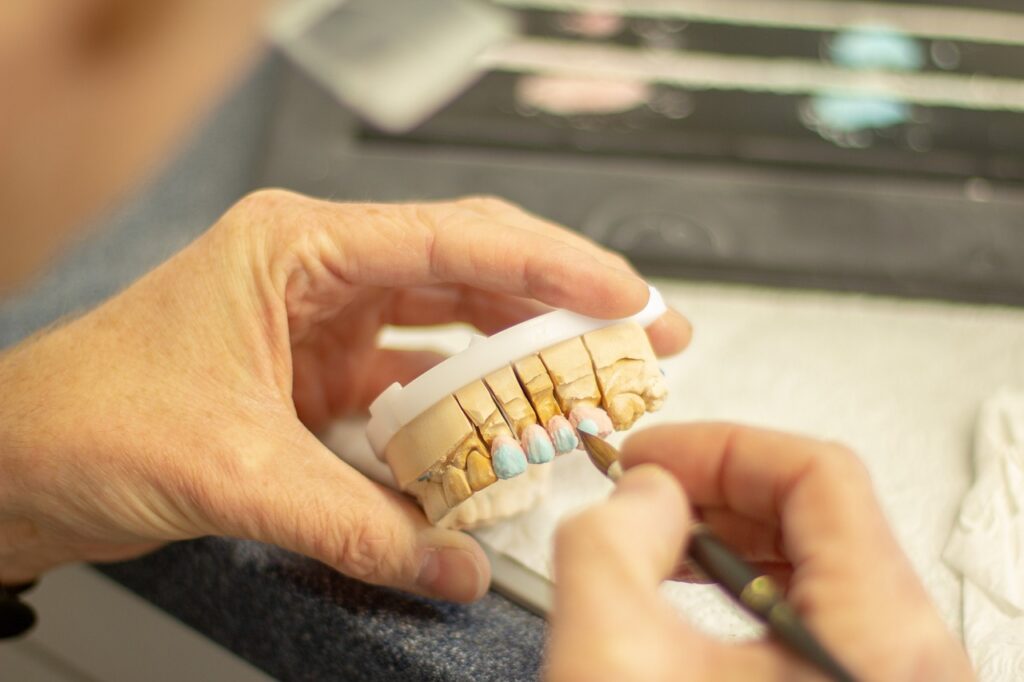
Zirconia is a ceramic form of zirconium oxide. In implant dentistry, it is used as the root-like part placed in the jawbone. The U.S. FDA describes dental implants as medical devices surgically placed in the jaw to support crowns, bridges, or dentures. It also lists zirconium oxide among materials used in dental implant systems. Source: U.S. FDA, content current as of October 29, 2021. (fda.gov)
Natural Gum-Line Appearance
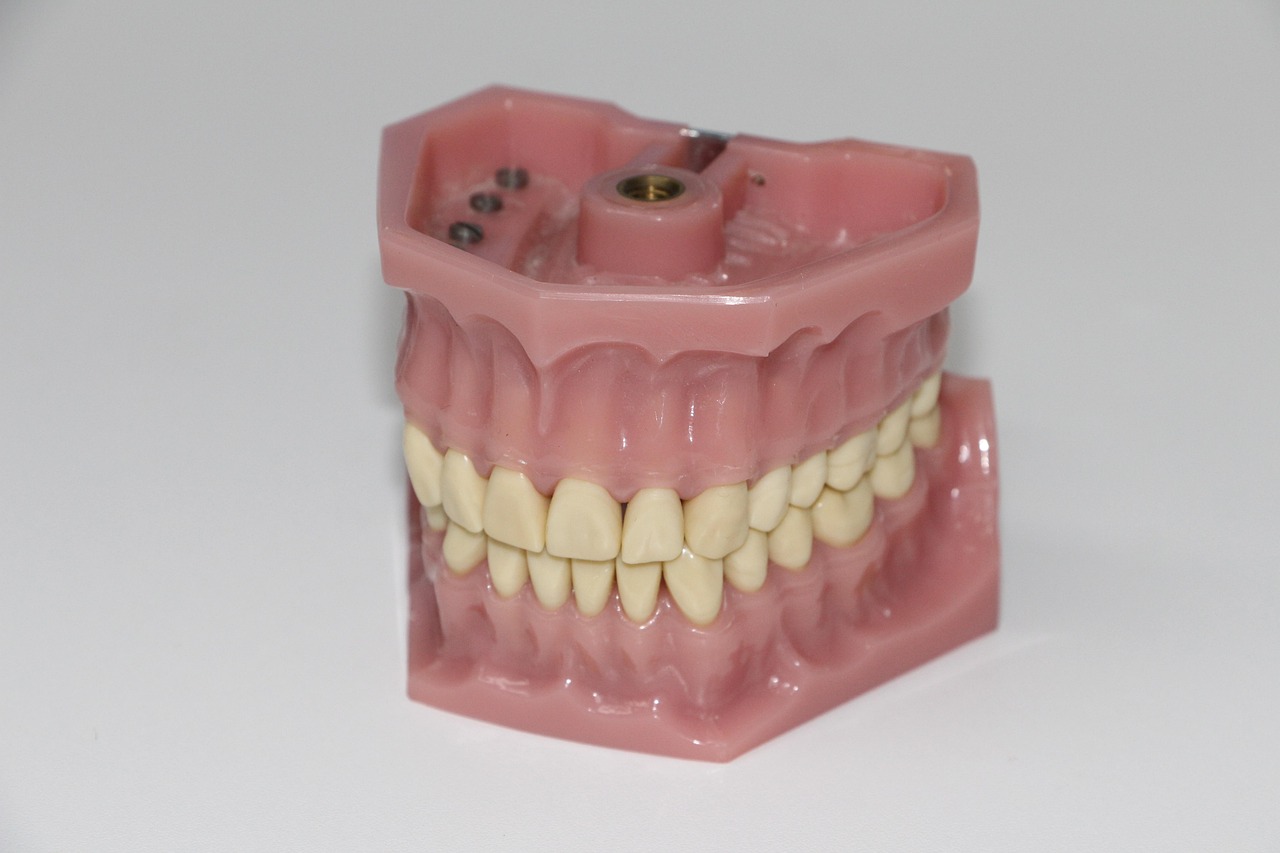
Many patients ask about zirconia because of its white color. When gum tissue is thin, or when a front tooth is involved, a gray tone from metal can sometimes show near the gum line. Zirconia can make that area look less dark. It is not needed for every front tooth case, but it is worth discussing when the gum line is visible in the smile.
Candidate Fit Comes First
A proper exam still comes first. A back molar in a patient who grinds at night is not the same case as a small front tooth with light bite pressure. A smoker with untreated gum disease also carries different risks from a healthy patient with stable bone. In daily implant planning, this is where small details change the treatment choice. It is better to check them before surgery than try to fix them later.
How Do Zirconia Dental Implants Compare with Titanium?
Titanium is still the better-known dental implant material, and it has a long record in clinical use. Zirconia is newer in routine practice, but it is not an experimental idea anymore. The useful question is not which material sounds nicer. It is which one fits your mouth, your bite, and your risk level.
Similar Goal, Different Materials
Both titanium and zirconia implants are made to bond with bone and support a restoration. Titanium is a metal, while zirconia is a ceramic. The FDA notes that most dental implant systems are made from titanium or zirconium oxide. It also states that implant materials are evaluated through recognized consensus standards and biocompatibility testing. Source: U.S. FDA, 2021. (fda.gov)
Evidence Is Useful but Smaller
Public clinical data support zirconia as a serious option in selected cases. At the same time, the research base is smaller than the one behind titanium. A 2024 systematic review and meta-analysis indexed in PubMed reported that zirconia implants showed a high 10-year cumulative survival rate and low short-term marginal bone loss, but the authors also noted limits in the available studies. Source: Clinical Oral Investigations, 2024. (pmc.ncbi.nlm.nih.gov)
Two-Piece Designs Need Careful Review
One-piece zirconia implants have the longer clinical record. Two-piece zirconia systems can give the dentist more room to manage the crown position, but the design still needs review. The screw connection, implant system, and brand history are not small details. The International Team for Implantology noted in its consensus statements that five-year zirconia data mainly apply to one-piece implants for single crowns and three-unit fixed implant prostheses. Source: ITI Consensus Database, 7th ITI Consensus Conference. (network.iti.org)
What Do Public Clinical Data Say About Survival and Bone Loss?
Numbers help, but they need to be read with some care. Survival usually means the implant is still in place. Success may also include healthy gum tissue, low bone loss, no pain, no movement, and a crown that stays stable. Since studies do not always use the same definition, one figure cannot tell the whole story.
Five-Year Survival Data
A 2023 systematic review and meta-analysis in Clinical Oral Implants Research estimated a five-year survival rate of 97.2% for zirconia implants. The estimate was based on 277 implants in 221 patients. That is a useful result, but the group size is still small compared with the much larger titanium literature. For a patient, this means the case details still carry a lot of weight. Source: PubMed record for Roehling and colleagues, 2023. (pubmed.ncbi.nlm.nih.gov)
Marginal Bone Loss Data
The same 2023 analysis estimated mean marginal bone loss of 1.1 mm after five years of loading. In simple terms, the bone level around the implant stayed within a range many clinicians would accept in selected cases. That does not mean every patient will get the same result. Grinding, poor hygiene, smoking, uncontrolled diabetes, and a poor crown shape can all change the outcome. This is why follow-up and crown design matter after the implant has healed. Source: PubMed, 2023. (pubmed.ncbi.nlm.nih.gov)
Long-Term Evidence Still Developing
A 2024 meta-analysis of randomized controlled trials found titanium implants had better survival and less marginal bone loss than zirconia after one year. That finding does not make zirconia a poor choice by itself. It shows that the current evidence is not all pointing in one direction. For now, patient selection and implant system selection remain important. Source: PubMed record for Comparative Clinical Behavior of Zirconia versus Titanium Dental Implants, 2024. (pubmed.ncbi.nlm.nih.gov)
What Benefits May You Notice with Zirconia?
Patients often ask for zirconia because they want a metal-free implant, a cleaner gum-line look, or a material that feels closer to natural tooth color. These points can matter in the right case. They still need to be weighed against the limits of the material, the bite, and the available clinical data.
No Gray Shine Through Thin Gums
Thin gums can show what is underneath. If the gum recedes even a little, a dark edge may become visible around some restorations. Zirconia’s white color can reduce that concern, especially in the smile zone. This is one reason ceramic implants are often discussed for front-tooth cases.
Low Plaque-Friendly Surface
Research reviews have reported favorable soft-tissue response and lower bacterial adhesion trends around zirconia surfaces compared with some metal surfaces. The study designs are not all the same, so this should not be read as a free pass on cleaning. Brushing, flossing, and professional maintenance still matter. Ceramic is not self-cleaning, just like a white coffee cup still needs washing.
Chewing Support When Planned Well
Zirconia is hard and resistant to corrosion. With the right implant diameter, crown shape, and bite adjustment, it can support normal chewing. Your dentist may be more cautious in high-force areas. This is especially true if you clench or grind at night. A night guard is not exciting, but it can protect costly dental work. See also: Fixation.
What Risks Should You Discuss Before Treatment?
Every implant material has risks. A useful consultation should cover surgery, healing, cleaning, maintenance, and the plan if a problem appears. If a clinic only talks about the final smile and avoids the possible issues, it is fair to ask more questions.
Surgery and Healing Risks
The FDA lists possible dental implant risks such as injury to nearby teeth or tissue, sinus perforation, infection, delayed healing, loosening, and implant failure. It also notes that smoking may slow healing and reduce long-term success. These risks apply to implant treatment in general, so they should be discussed before choosing zirconia or titanium. Source: U.S. FDA, 2021. (fda.gov)
Bite Force and Fracture Planning
Ceramic materials do not behave the same way metals do. Zirconia is strong, but it is less forgiving under certain bending forces. That is why implant position, crown height, and bite balance matter. A tall crown on a narrow implant in a heavy grinder is a higher-risk setup. A short crown in a light bite is a very different case.
Cleaning Access and Gum Disease Control
The 2017 World Workshop defined peri-implantitis as a plaque-associated condition around implants, with gum inflammation and progressive bone loss. The European Federation of Periodontology also stresses supportive peri-implant care, plaque control, smoking cessation, and stable gum health before implant placement. In practice, an implant that is hard to clean is already starting with a disadvantage. Sources: Journal of Periodontology, 2018, and EFP S3 Clinical Practice Guideline, 2023. (aap.onlinelibrary.wiley.com)
How Should You Plan Treatment and Aftercare?
A good zirconia implant plan starts before surgery and continues after the crown is fitted. The implant body may be ceramic, but the bone and gum tissue still heal in the usual human way. That part cannot be rushed.
3D Imaging and Bone Review
Your dentist may use 3D imaging to check bone height, bone width, nerve position, sinus space, and implant angle. If the bone is thin, grafting may be suggested. Skipping this review can lead to a crown that is hard to clean or an implant that sits under too much stress. It is one of the steps that looks routine but has a big effect on the final result.
Medical History and Smoking Status
Tell your provider about diabetes, immune conditions, medications, past gum disease, allergies, and smoking. True titanium allergy is considered uncommon in the literature, but metal sensitivity concerns should be discussed before treatment. A systematic review and meta-analysis on titanium hypersensitivity described the prevalence as low and highlighted limits in available evidence. This type of conversation helps the dentist decide whether zirconia is being chosen for the right reason. Source: Materials, 2021, indexed in PubMed Central. (pmc.ncbi.nlm.nih.gov)
Maintenance Visits and Home Cleaning
After the crown is placed, regular follow-up matters. The FDA recommends careful oral hygiene, regular dental visits, and prompt contact with a provider if an implant feels loose or painful. At home, you may need interdental brushes, water flossing, or a special floss threader. None of this is fancy, but it is how many implants stay stable for years. Good maintenance is part of the treatment, not an optional extra. Source: U.S. FDA, 2021. (fda.gov)
FAQ
Q1: Are Zirconia Dental Implants Completely Metal-Free? A: The implant body is ceramic zirconium oxide, so it is commonly described as metal-free. Some newer two-piece systems may use an internal screw or connection, so ask your dentist which exact system is being used.
Q2: Do Zirconia Dental Implants Last as Long as Titanium? A: Zirconia can show good survival in selected studies, including five-year data around 97.2% in one 2023 meta-analysis. Titanium still has a larger long-term evidence base, so the case needs to be judged carefully.
Q3: Are Zirconia Implants Better for Front Teeth? A: They may help when thin gums or a high smile line make color important. Bone volume, bite force, and gum health still decide whether they are suitable.
Q4: Can Zirconia Implants Fail? A: Yes. Any implant can fail because of infection, poor healing, overload, gum disease, smoking, uncontrolled diabetes, poor cleaning access, or surgical complications.
Q5: Should You Choose Zirconia or Titanium? A: Choose after a full exam, imaging, and a risk review. Zirconia may suit patients who want a ceramic option or have gum-line color concerns, while titanium may be preferred when long-term data and design flexibility are the main priorities.