

Investigating Non-linear Volume–Outcome Relationships in Total Knee Arthroplasty Based on a Sample of More Than 60,000 Hospital Cases From Germany, 2020–2023
The analysis of over 60,000 German hospital cases between 2020 and 2023 reveals a clear non-linear connection between surgical volume and patient outcomes in full knee replacement surgery. Hospitals performing higher numbers of total knee arthroplasties (TKA) generally achieved better clinical results up to a threshold point, beyond which the benefits plateaued. This pattern underscores the importance of balancing centralization with accessibility in orthopedic care planning.
Overview of the Volume–Outcome Paradigm in Orthopedic Surgery
The relationship between surgical frequency and outcome quality has been debated for decades. In orthopedics, this discussion is particularly relevant as procedures like TKA demand precision, coordination, and consistent postoperative management.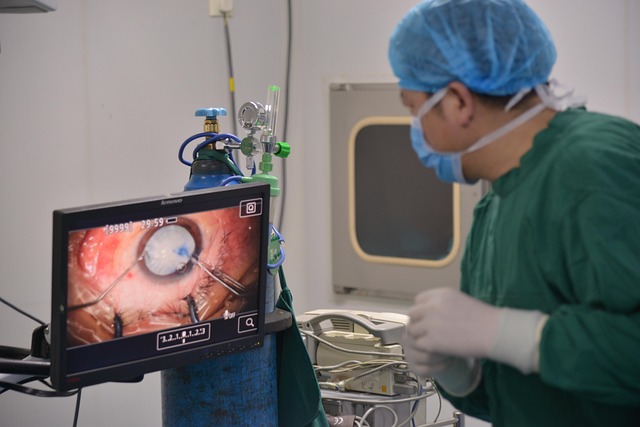
Historical Context of Volume–Outcome Research in Surgical Disciplines
Early research in cardiac and oncologic surgery established that higher procedural volumes often align with lower mortality and complication rates. These findings encouraged similar investigations across orthopedic subspecialties. By the late 1990s, registry data began linking high-volume centers with improved joint replacement outcomes, stimulating reforms in surgical accreditation systems.
Theoretical Mechanisms Linking Procedure Volume to Clinical Quality
Several mechanisms explain this correlation: repetitive practice enhances technical proficiency; experienced teams anticipate complications; and standardized protocols emerge naturally from repetition. However, not all benefits stem from the surgeon alone—operating room staff familiarity and institutional workflows also play decisive roles.
Challenges in Quantifying “Experience” Beyond Case Numbers
Counting cases oversimplifies expertise. Experience includes case diversity, continuous education, and multidisciplinary collaboration. A surgeon performing complex revisions may gain more insight than one completing numerous routine TKAs. Thus, volume serves as a proxy but not a perfect measure of skill.
Specific Considerations for Total Knee Arthroplasty (TKA)
TKA represents one of the most standardized yet technically demanding orthopedic procedures. Evaluating its outcomes requires attention to both procedural uniformity and patient variability.
Complexity and Standardization in TKA Procedures
Although modern implants and navigation systems have improved reproducibility, subtle variations—such as ligament balancing or alignment strategy—can influence long-term function. Even small deviations during component placement may affect joint mechanics for years after surgery.
Variability in Perioperative Care and Rehabilitation Influencing Outcomes
Postoperative pathways differ across hospitals. Some emphasize early mobilization within 24 hours; others adopt conservative progression models. Differences in physiotherapy intensity or pain management protocols can distort outcome comparisons if not properly adjusted for.
Relevance of Institutional Versus Surgeon-Level Volume Metrics
Institutional volume often correlates with resource availability—dedicated wards, specialized anesthesiologists, or infection control units—whereas surgeon-level data reflect individual skill consistency. Distinguishing their relative impact remains methodologically challenging but critical for policy formulation.
Data and Methodological Framework for Assessing Volume–Outcome Associations
Robust evidence demands rigorous data handling and statistical modeling capable of detecting non-linear trends rather than assuming simple proportionality between volume and performance.
Study Design and Data Source Characteristics
This study used national inpatient datasets covering German hospitals from 2020 to 2023. Over 60,000 TKA cases were included after excluding partial replacements or trauma-related surgeries. Variables captured encompassed demographics, comorbidities, surgical technique details, hospital classification, and short- to mid-term outcomes.
Application of Regression Models With Non-linear Spline Functions
To capture curvature effects in the data, regression models incorporating spline functions were applied. These allow flexible estimation where improvements taper off at higher volumes—a phenomenon frequently observed in complex surgeries such as full knee replacement surgery.
Adjustments for Confounders Such as Hospital Type, Region, and Patient Risk Profile
Confounding factors like regional socioeconomic status or hospital teaching designation were controlled through multivariable adjustment. Sensitivity analyses confirmed that observed patterns persisted even when excluding outlier institutions or stratifying by patient risk levels.
Patterns Observed in the German Hospital Dataset (2020–2023)
The dataset revealed heterogeneous distribution patterns across hospital categories and regions, highlighting structural imbalances within Germany’s orthopedic service network.
Distribution of Procedure Volumes Across Hospitals
Hospitals were grouped into low-, mid-, and high-volume categories based on annual TKA counts. High-volume centers clustered around metropolitan areas such as Munich or Berlin, while rural regions showed sparse access to such facilities.
Regional Disparities in Procedural Frequency and Access to High-Volume Centers
Patients residing farther from urban centers often received treatment at lower-volume hospitals due to travel constraints or referral limitations. This disparity suggests potential inequities in access to optimal surgical conditions.
Temporal Trends in TKA Volumes Over the Study Period
Between 2020 and 2023, overall TKA numbers fluctuated slightly due to pandemic-related postponements but rebounded strongly by late 2022 as elective surgeries resumed nationwide.
Outcome Metrics Examined Across Volume Categories
Clinical performance varied significantly across volume strata when examining both immediate postoperative results and longer-term functional recovery indicators.
Short-Term Outcomes: Complication Rates, Revision Surgery, and Readmissions
Low-volume hospitals exhibited higher rates of wound infection and early revision compared with high-volume centers. Readmission rates within 30 days followed similar trends, suggesting systemic differences beyond isolated surgical events.
Long-Term Functional Recovery Indicators Derived From Follow-Up Data
Functional recovery scores collected up to one year post-surgery indicated faster mobility restoration among patients treated at mid- to high-volume institutions. However, gains diminished once yearly volumes exceeded approximately 800 procedures per center.
Resource Utilization Measures Including Length of Stay and Discharge Disposition
Patients treated at high-volume hospitals experienced shorter average stays—typically under six days—and were more likely discharged directly home rather than to rehabilitation facilities.
Exploring Non-linear Volume–Outcome Dynamics in Full Knee Replacement Surgery
The relationship between procedure count and outcome improvement is not linear; it follows a curve that flattens once operational efficiency peaks within institutional capacity limits.
Threshold Effects and Diminishing Returns Beyond Certain Volumes
Analysis identified an inflection point near 700 annual TKAs per hospital where outcome improvements began plateauing. Beyond this threshold, additional volume produced minimal benefit—and occasionally slight increases in complication risk due to fatigue or scheduling pressures.
Discussion on Whether Ultra-High Volumes Yield Additional Benefits or Risks
Ultra-high activity may strain support systems if staffing ratios remain constant. While economies of scale exist up to a point, excessive throughput can compromise individualized care attention during recovery phases.
Potential Explanations Involving Team Coordination, Infrastructure, and Fatigue Factors
High-performing centers maintain stable teams familiar with each other’s routines—a factor sometimes overlooked when attributing success solely to surgeon skill. Conversely, overextension without adequate rest cycles can introduce preventable errors even among expert teams.
Interaction Between Hospital Characteristics and Volume Effects
Volume interacts dynamically with institutional context; thus interpreting results requires considering broader organizational features influencing outcomes beyond raw counts alone.
Influence of Teaching Status, Multidisciplinary Teams, and Specialized Units
Teaching hospitals typically integrate advanced imaging technologies and research-driven protocols that improve consistency across cases. Multidisciplinary units combining surgeons with physiotherapists enhance continuity from operation through rehabilitation stages.
Role of Standardized Protocols Versus Individualized Surgical Expertise
Standardized pathways reduce variability but cannot replace nuanced intraoperative judgment developed through experience. The best-performing hospitals combine both: structured processes supported by expert discretion when anomalies arise.
Cross-Comparison Between Public and Private Institutions Within the Dataset
Private clinics displayed shorter waiting times yet similar complication rates compared with public counterparts once adjusted for case complexity—suggesting system-level efficiencies rather than inherent quality differences drive perceived advantages.
Implications for Clinical Practice and Health Policy Development
Evidence derived from this large-scale dataset provides actionable insights for policymakers seeking balance between quality assurance through centralization and equitable patient access across regions.
Informing Centralization Strategies for Elective Joint Replacement Surgery
Setting minimum annual thresholds per center could enhance consistency while avoiding excessive concentration that limits accessibility for rural populations. Regional planning should consider travel distances alongside expected outcome gains from higher volumes.
Balancing Accessibility With Quality Through Regional Planning Initiatives
Establishing regional referral networks connecting smaller hospitals with tertiary centers allows shared expertise without forcing complete service relocation—a practical compromise already piloted successfully in several German states.
Ethical Considerations When Redirecting Patients to Higher-Volume Facilities
Mandatory redirection policies must weigh patient autonomy against collective safety gains; transparent communication about expected benefits remains essential when recommending transfers away from local providers.
Future Directions for Research on Volume–Outcome Relationships in Orthopedics
Advancing understanding requires integrating richer datasets capturing subjective recovery experiences alongside objective surgical metrics over extended follow-up periods.
Incorporation of Patient-Reported Outcome Measures (PROMs) Into Large Datasets
Adding PROMs such as pain relief satisfaction or return-to-work timelines will refine interpretation beyond traditional complication-based metrics currently dominating administrative databases.
Longitudinal Tracking to Assess Durability of Implants Across Volume Strata
Extending observation windows beyond one year will clarify whether high-volume advantages persist regarding implant longevity or merely accelerate short-term recovery trajectories.
Integration of Machine Learning Approaches to Refine Predictive Modeling Beyond Linear Assumptions
Machine learning algorithms capable of detecting complex interaction patterns could reveal hidden subgroups benefiting disproportionately from specific combinations of hospital attributes and procedural volumes.
FAQ
Q1: What was the main finding regarding surgical volume thresholds?
A: Outcome improvements plateaued around 700 annual TKA procedures per hospital; additional volume yielded marginal benefit while slightly increasing fatigue-related risks.
Q2: Did patient demographics influence the observed relationships?
A: Yes. Older patients with multiple comorbidities showed stronger dependence on institutional experience compared with younger cohorts undergoing full knee replacement surgery electively.
Q3: How did COVID-19 affect procedure volumes during the study period?
A: Elective surgeries dropped sharply during early lockdowns but recovered by late 2022 as hospitals adapted safety protocols allowing resumption of normal orthopedic operations.
Q4: Are surgeon-level metrics more predictive than hospital-level ones?
A: Both matter; however institutional infrastructure often amplifies individual skill effects through coordinated perioperative support systems unavailable at smaller facilities.
Q5: What policy actions are recommended based on these findings?
A: Implement regionally tailored minimum volume standards coupled with inter-hospital collaboration frameworks ensuring equitable access without compromising care quality across Germany’s healthcare network.