
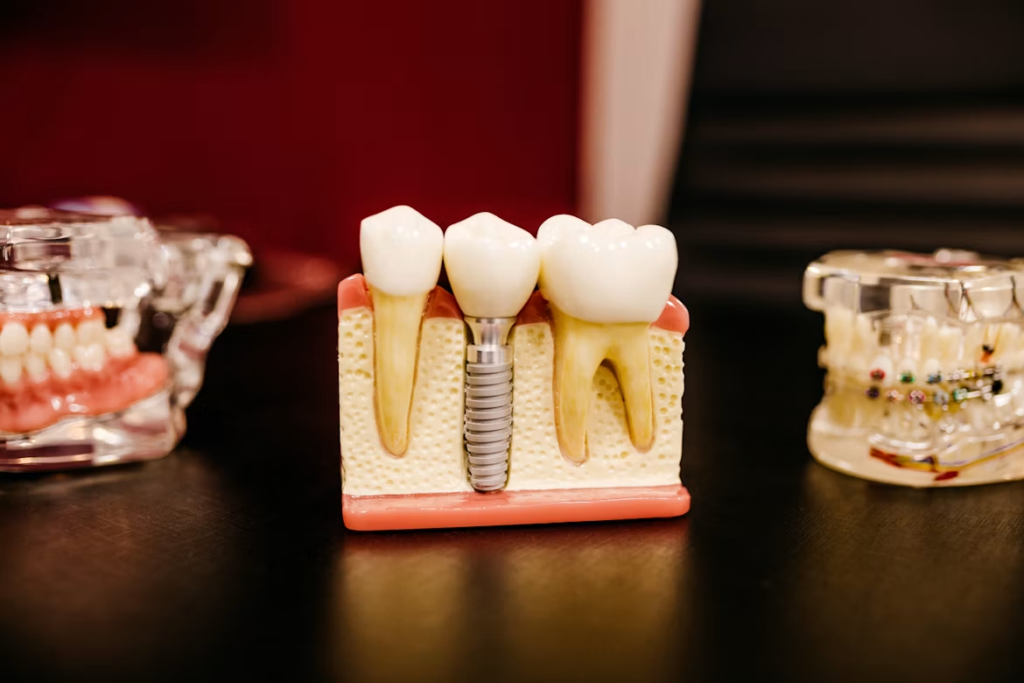
The final success of a dental implant does not rely only on how well it bonds with the bone. It also depends on how the material acts around the tiny germs in the mouth. Zirconia is a type of ceramic that doctors use instead of titanium metal. This material has caught a lot of attention lately. It does not react easily with the body, and bugs have a hard time sticking to it. Real checks on patients show something interesting. Zirconia implants often have fewer germs on them than titanium ones do. This is very true in the front lower jaw where looks and healthy gums matter a lot. This big difference comes from a few basic things. The shape of the surface plays a part. The chemical mix and how the body reacts also matter. Both materials give a safe and steady bond with the bone. Still, the smooth surface of zirconia and its steady oxide layer make a space that is bad for germ growth.
What Determines Microbial Colonization on Dental Implant Surfaces?
The way tiny bugs gather on dental implants is a big process. Many different things change it at the same time. It depends on the traits of the implant surface. The living space inside the patient’s mouth also plays a massive role. Learning about these setups helps doctors pick the best tools. They can choose materials that lower the danger of gum disease around the implant.
Surface Topography and Its Role in Bacterial Adhesion
The roughness of an implant surface changes how bugs stick to it in a direct way. Rough surfaces create a lot of extra space for germs to grab onto. On the other side, smooth textures leave very few places for bugs to hide. How much a surface likes water also changes things. This trait decides how fast proteins and bugs stick during the earliest days. High surface energy helps pull in spit proteins quickly. These proteins form a thin base layer that acts like glue for bugs. Techniques like blasting with sand, washing with acid, or marking with lasers change these settings. By doing this, they change how the germ layer grows over long periods of time.
Chemical Composition and Its Influence on Microbial Growth
Titanium naturally grows a quiet oxide layer that protects it from rust. However, it can still let a tiny amount of ions escape when the gums get red and swollen. Zirconia does things differently. It has a tight crystal build that releases almost no ions at all. It stays very steady even in sour, acidic spaces. These chemical habits change how well germs can live. Some bugs need metal ions to eat and grow. The long-term safety of zirconia chemistry helps a lot. It keeps the material safe from heavy bug buildup when you compare it to titanium.
Host Factors Affecting Microbial Accumulation
The traits of the material are not the only things that matter. The body of the patient plays a massive role in how bugs act around implants. How much spit flows, the acid levels, and how well a person cleans their teeth are all key. These habits decide if an early bug layer turns into a dangerous disease. The strength of a person’s defense system changes things too. It shows how well the tissue around the implant can fight off a bug attack. Smoking or having major health issues like diabetes changes this balance even more. These issues hurt the local defense steps and change the mix of bugs near the implant face.
How Does Zirconia Compare to Titanium in Surface Characteristics?
Zirconia and titanium are fundamentally different in their basic shapes and physical habits. These differences explain why they act so differently with body tissues and mouth bugs.
Morphological Differences Between Zirconia And Titanium Implants
Zirconia usually shows a very smooth and even build. This happens because of the heating process that removes tiny bumps. Titanium surfaces are different. Workers often change them with sand or acid to help them bond with the bone better. But these same steps make tiny lines that give bugs a place to stay. Because of this, the natural smoothness of zirconia removes the small hiding spots. Bugs have a much harder time staying there after a patient cleans their teeth.
Surface Energy and Wettability Characteristics
Surface energy sets how liquids spread across an implant. Zirconia generally has lower surface energy than titanium. This trait leads to less wetting, so fewer bugs can stick at the start. Titanium has higher wetting habits. This can help early proteins stick, which is great for bone-building cells. But it also means bugs can grow very fast if a person forgets to brush. Rubbing the surface smooth or adding special coats can change these settings. This helps engineers find a great middle ground between happy tissues and a strong fight against bugs.
Influence of Manufacturing Processes on Surface Integrity
The way factories make these tools changes the final surface quality a lot. Controlling the oven heat sets the grain size and smoothness of zirconia. If workers make a mistake, they might leave tiny holes that trap bugs. Making titanium tools naturally leaves fine lines. These marks hold germs unless workers use special electrical washing or laser steps to smooth the shape. Every extra step changes more than just how strong the tool is. It also changes how living tissue acts right where it touches the metal or ceramic.
Are There Measurable Differences in Microbial Load Between Zirconia and Titanium Implants?
Tests on real patients show clear differences in bug numbers between zirconia and titanium when you check them under the same settings.
Quantitative Analysis of Bacterial Colonization Levels
Special DNA tests show clear facts about bug counts. Germ numbers are often lower on zirconia surfaces than on titanium after the same amount of time. These facts depend a lot on where you take the test sample from. Checking deep under the gums looks different than checking the top parts. Patient brushing habits matter a lot too. Some random tests in the lower front jaw prove something important. They show a clear drop in total bug numbers around zirconia parts during the early healing steps.
Diversity of Microbial Communities on Different Materials
Deep germ testing shows that zirconia tends to hold fewer dangerous bug types than titanium. The bug layers on zirconia are mostly safe, normal mouth bugs. They are not the mean types that cause deep bone loss, like Porphyromonas gingivalis or Tannerella forsythia. This difference shows how each material creates its own little world in the mouth. Smooth ceramic surfaces discourage bugs that need a hidden, airless space to live.
Temporal Changes in Biofilm Maturation Patterns
Bugs stick at different speeds at the start, but long-term checks show something else. The bug maps start to look the same if a patient does a poor job brushing their teeth. Common early bugs like Streptococcus types take over both surfaces first. After that, more complex bug neighborhoods grow over weeks of exposure. The speed of this growth links to how proteins stick. Zirconia slows down the initial protein film a bit when you compare it to titanium. This delay leads to slower bug growth under the same daily settings.
What Biological Mechanisms Underlie the Reduced Colonization on Zirconia?
The reason bugs do not like zirconia comes down to its basic physical traits. These traits change protein sticking, electrical safety, and how the body’s defense acts near the implant tissue.
Protein Adsorption Dynamics at the Implant Interface
Protein sticking is the very first thing that happens after a doctor places an implant. Zirconia has a quiet chemical face. This face limits the messy binding of spit proteins like fibrinogen or albumin that act as bridges for bugs. Instead, it lets specific sugar-proteins form a thinner film. This thin film gives bugs a weaker grip than the layers that grow on titanium metal.
Electrochemical Stability and Oxide Layer Properties
Zirconia does not conduct electricity. This helpful trait stops tiny electrical paths that could otherwise help bugs feed and grow near a metal face. Its steady oxide layer fights off rust even when swelling changes the local acid levels. This stability keeps the space quiet and bad for bug growth. Titanium oxide layers can suffer tiny breaks under stress. These breaks release metal ions that can slightly change the mix of local mouth bugs.
Interaction With Host Immune Responses Around Implants
The body’s defense system acts differently around each material. Tests that measure cell signals show fewer swelling markers around zirconia than titanium parts. This fact points to a calmer tissue reaction. Doctors can also see a tighter skin seal around zirconia when they look under a microscope. This tight seal acts like a wall. It stops bugs from slipping down into the deep spaces around the implant, which is key for protecting the bone from infection.
How Do Clinical Outcomes Reflect Material-Based Microbial Differences?
Real life results match lab tests well. They connect the type of material used with the long-term health of the patient’s mouth.
Peri-Implant Health Indicators Associated With Material Choice
Patients who get zirconia parts often show better numbers on cleanliness checks than people with titanium parts. They have fewer dirty spots when they follow the same brushing rules. Gums bleed less often around zirconia because the tissue loves the ceramic material. These clinical checks match the lab facts perfectly. They show that a smaller bug layer lives around zirconia surfaces.
Radiographic Assessment of Marginal Bone Stability
X-ray pictures show that both materials bond well with the bone. However, some long-term checks show something special. There is slightly less bone loss around the top of zirconia implants after two years of use. This saved bone likely happens because there are fewer bugs around to stir up swelling. It is not just about how strong the tool is.
Patient-Reported Outcomes Related to Oral Hygiene Maintenance
Patients often say that zirconia parts feel smoother in their mouths. They find them easier to clean than metal parts. This matches the lab tools that test roughness, which show that zirconia has a lower roughness average, or Ra. The beautiful look of white ceramic also makes patients care more. They work harder to brush their front teeth well, which indirectly cuts down on bug buildup over time.
Can Surface Modifications Further Enhance Antimicrobial Resistance of Both Materials?
New steps in engineering try to stop bugs from sticking at all. They want to do this without hurting how well the tool bonds with the bone. This work covers both ceramics and metals.
Nano-Texturing and Coating Technologies
Tiny surface shapes can mix up how bugs settle down. They create patterns that do not match the size of a bug’s cell wall. This keeps the bugs from getting a grip while still letting bone cells attach well. Adding silver pieces or light-active helpers like TiO2 boosts the fight against bugs. They do this by releasing ions or making active oxygen. Engineers are testing these methods on many tools, including hybrid designs that mix ceramic beauty with metal strength.
Plasma Treatment and Surface Functionalization Approaches
Plasma washing changes surface chemistry by adding special polar groups. This step raises how much the material likes water. At the same time, it cleans away tiny bits of dirt that bugs use for food. Tests checking plasma-washed zirconia against titanium show great results. They show better cell growth and less early bug buildup when people wear them in the mouth for short tests.
Incorporation of Bioactive Molecules Into Implant Surfaces
Smart coatings that hold medicine or special plastic strings can release bug-fighting helpers over a long time. This is another bright path for stopping infections. Additions like calcium phosphate layers help build a stronger tissue seal. At the same time, adding things like fluorine changes the local ion space. This change helps human cells win the battle against dangerous mouth bugs.
What Are the Implications for Future Implantology Research?
New research focus is shifting. It wants to join bug testing rules together with advanced material science. This mix will help refine future implant designs to lower infection risks while helping tools last a lifetime.
Standardization of Microbiological Evaluation Protocols
Right now, different testing steps make it hard to compare studies. Because of this, we need matching DNA-based testing rules. This match will make data reliable when checking different materials in the same mouth zones, like the lower front jaw.
Integration of Material Science With Clinical Periodontology
True teamwork between material engineers and gum doctors will bring lab discoveries into real life. They can test new ideas in long-term human checks. These tests must include diverse groups of people with different types of mouth bugs.
Development of Next-Generation Biomaterials
Research is moving toward smart ceramics that carry bug-fighting features. These tools can react instantly when they feel bugs near them. These smart surfaces change their local chemistry when challenged by bad germs. At the same time, they keep the heavy strength that dental factories demand worldwide. They also focus on clean building steps that protect the planet during production cycles.
FAQ
Q1: Why does zirconia resist bacteria better than titanium? A: It has a tight crystal setup that stops ion movement. This makes a quiet space where bugs have a hard time sticking or growing compared to metal faces that can suffer tiny rust spots.
Q2: Are there real life differences in bone safety between these materials? A: Both bond well with the bone. But some studies show slightly less bone loss around zirconia tools because there is less swelling from fewer bugs.
Q3: Can surface updates make titanium fight bugs as well as zirconia? A: Yes, using tiny nano-patterns or plasma washing can drop bug sticking a lot. This step still keeps the great bone bonding power that titanium is famous for.
Q4: Does patient brushing change the results no matter what material is used? A: Absolutely. Poor cleaning will eventually lead to the same heavy bug layer on all materials. The natural benefits of a material fade if a person does not brush.
Q5: What future changes can we expect to see in implant materials? A: Scientists are working on mixed materials that join ceramic strength with live coatings. These coatings will change their habits to fight off mouth bugs the moment they appear.