Quick answer
Zirconium oxide dental implants, often called zirconia implants, are ceramic dental implants used as a non-metal alternative to titanium. The strongest publicly available evidence supports their use in selected situations, particularly one-piece systems for single crowns or short-span fixed prostheses. A 2023 ITI consensus review reported 5-year survival of around 97% for zirconia implants in the studies reviewed. This does not mean zirconia is automatically better. Titanium still has the broader long-term record, and recent reviews have not shown that zirconia prevents peri-implantitis better than titanium. Patients comparing implant materials should look beyond material preference and consider diagnosis, bone and gum conditions, implant design, restorative plan, hygiene, smoking status, and maintenance. For broader implant topics, visit our implants section.
What zirconium oxide dental implants are
Zirconium oxide is a ceramic material. In dentistry, zirconia usually refers to zirconium dioxide, especially yttria-stabilized zirconia used in high-strength dental ceramics. The distinction is important: zirconium oxide dental implants are not pure zirconium metal. They are ceramic implants intended to integrate with bone and support crowns, bridges, or other prosthetic restorations.
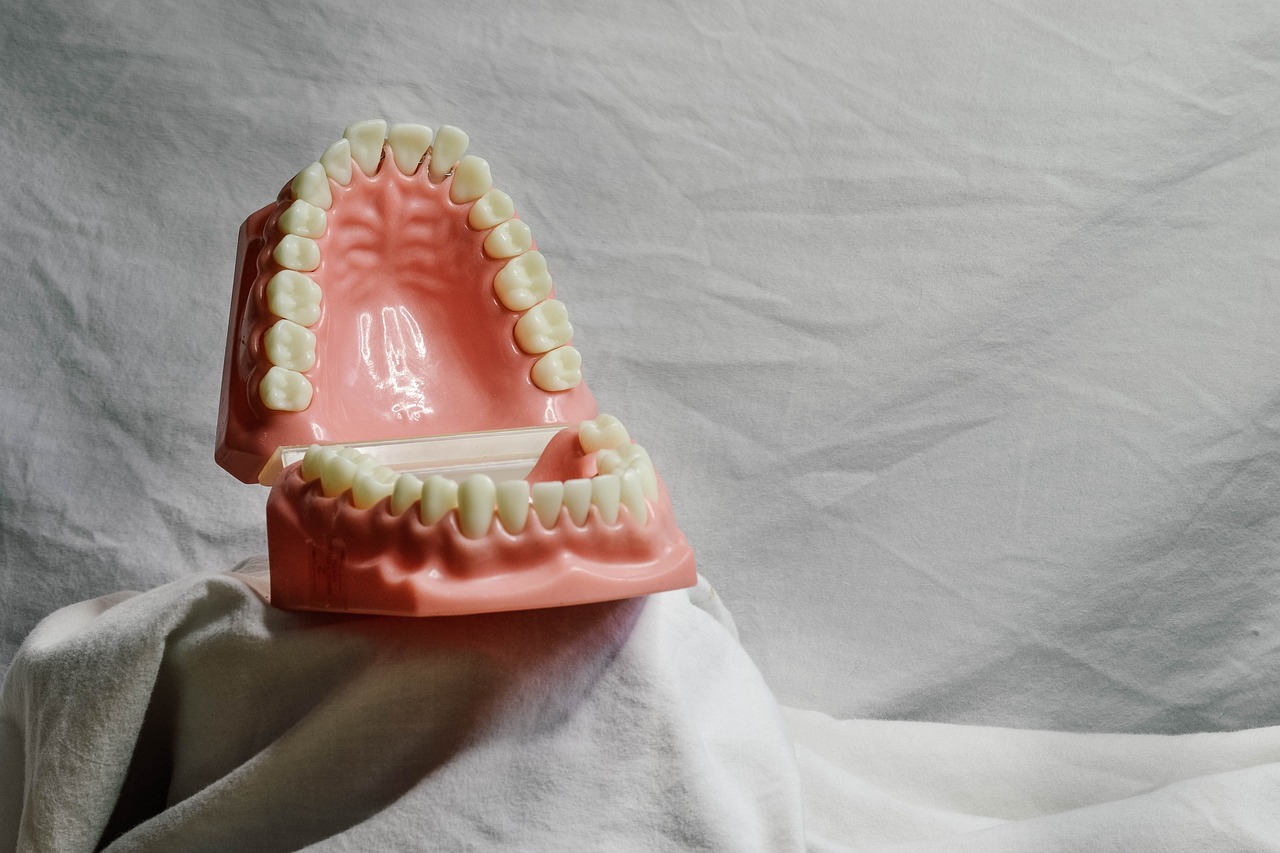
The U.S. Food and Drug Administration describes dental implants as medical devices surgically placed in the jaw to support replacement teeth and restore chewing function or appearance. The FDA also notes that most dental implant systems are made of titanium or zirconium oxide and are evaluated through safety and performance standards, including biocompatibility testing.
In everyday patient language, zirconia implants are often described as “metal-free.” That description is usually accurate for one-piece ceramic implant bodies, but it should still be checked system by system. Some newer two-piece zirconia designs may use internal connecting components, so the implant dentist should be able to explain exactly which materials are present and where they contact tissue.
How zirconia and titanium implants compare
Titanium has been the reference material in implant dentistry for decades because it has a large clinical evidence base, broad system availability, and many restorative options. Zirconia has gained attention because of its tooth-like color, ceramic composition, and appeal to patients who prefer a non-metal option. In practice, the question is not whether one material is universally superior. It is whether the material fits the clinical indication, prosthetic design, and patient risk profile.
| Comparison point | Zirconium oxide implants | Titanium implants | Practical meaning |
|---|---|---|---|
| Material appearance | White ceramic | Gray metal | Zirconia may be useful where thin gum tissue or esthetics are a concern. |
| Evidence base | Promising, especially up to 5 years for selected indications | Broader and longer-term clinical documentation | Titanium remains the default reference in many complex cases. |
| Design options | Many published data sets involve one-piece systems | Wide range of one-piece, two-piece, diameter, and prosthetic options | Angulation, restorative space, and retrievability can influence material choice. |
| Peri-implantitis claims | No proven clinical advantage over titanium | No evidence that material alone determines disease risk | Maintenance, hygiene, periodontal health, and risk control remain central. |
| Patient preference | Often chosen for non-metal or esthetic reasons | Often chosen for familiarity, flexibility, and long-term documentation | Preference matters, but it should not override treatment planning. |
What the evidence supports
The 2023 International Team for Implantology consensus statements are useful because they separate encouraging findings from remaining limitations. The group reported that zirconia was the commercially available alternative material to titanium or titanium alloy implants. It also stated that 5-year data mainly apply to one-piece zirconia implants used for single crowns and three-unit implant fixed dental prostheses. Evidence for two-piece zirconia implants was described as limited.
For 5-year outcomes, the ITI review reported a mean survival rate of 97.2% for zirconia implants, with a range from 93.8% to 100% across the included studies. The same consensus statement described peri-implant tissue health as similar to published titanium data over 5 years, based on measures such as marginal bone loss and probing depth. These numbers are encouraging, but they should not be read as a guarantee for every patient, every indication, or every implant system.
A 2026 systematic review on peri-implantitis around zirconia implants added another important point. It included 19 studies with 687 patients and 995 implants, with searches conducted up to February 2026. The pooled implant-level prevalence of peri-implantitis was estimated at 2% for follow-up of 3 years or less, 2% for follow-up beyond 3 to 5 years, and 8% for follow-up beyond 5 years. In five randomized clinical trials comparing zirconia and titanium implants, the review found no statistically significant difference in peri-implantitis prevalence between the two materials.
The evidence supports a cautious conclusion: zirconia implants can perform well in selected indications, but the current clinical literature does not support broad claims that they are healthier, safer, or more disease-resistant than titanium implants.
Where zirconium oxide implants may fit best
Zirconia may be considered when esthetics are a major priority, particularly in areas where a gray metal shade could show through thin gum tissue. It may also be considered for patients who strongly prefer a ceramic implant after they understand the evidence and its limitations. In these cases, material selection should be one part of the treatment plan, not a stand-alone decision.
Potentially suitable situations may include a single missing tooth, a short fixed restoration, adequate bone volume, favorable bite forces, healthy periodontal conditions, and a restoration design that can be executed predictably with the selected zirconia system. These are clinical judgments, not checklist guarantees. The dentist or specialist must evaluate radiographs, medical history, gum thickness, oral hygiene, bite pattern, and restorative space.
Patients should also understand that implant success is not only about osseointegration. Prosthetic design, emergence profile, cement control, screw access, cleanability, and the long-term maintenance schedule can all affect outcomes. A well-planned titanium implant is usually preferable to a poorly planned zirconia implant, and the reverse can also be true when the indication is appropriate.
Limitations patients should understand
The main limitation is the depth of evidence. Titanium has more long-term and system-diverse data, while zirconia evidence is stronger in narrower indications and shorter to mid-term follow-up. This does not make zirconia experimental in every context, but patients should ask whether the specific implant system and restoration type being proposed are supported by clinical evidence. See also: Fixation.
Design is another limitation. One-piece zirconia implants can reduce some component interfaces, but they may offer less prosthetic flexibility because the implant and abutment are integrated. Implant position therefore becomes especially important. If the implant is not positioned prosthetically, correcting angulation later may be more difficult. Two-piece zirconia systems may improve flexibility, but the 2023 ITI consensus described the data for two-piece designs as limited.
Biological risks also remain. The FDA lists possible dental implant complications such as local infection, poor hygiene around the implant, untreated periodontal disease, delayed healing, and implant failure. The ADA’s patient education materials note that general health can matter more than age and that chronic illnesses such as diabetes, as well as tobacco use, may interfere with healing. These risks apply whether the implant body is ceramic or titanium.
Questions to ask before choosing an implant material
A useful consultation should move beyond “zirconia or titanium?” and focus on the factors that determine whether either material is appropriate. Patients can ask:
- Is this implant planned for a single crown, bridge, denture support, or another restoration?
- Is the proposed zirconia system one-piece or two-piece?
- What clinical data are available for this specific system and indication?
- Will any metal component be used in the implant, abutment, or prosthetic connection?
- Is my gum thickness, bone volume, and bite pattern favorable for zirconia?
- How will the restoration be retained, and how easy will it be to clean?
- What maintenance schedule is recommended after placement?
- How do smoking, diabetes, periodontal disease, or bruxism affect my risk?
These questions help clarify whether the recommendation is evidence-based and individualized. They also reduce the risk of choosing a material for marketing reasons rather than clinical suitability.
Frequently asked questions
Are zirconium oxide dental implants better than titanium implants?
Not universally. Zirconia implants can be a reliable option in selected cases, and 5-year data are promising for certain one-piece indications. Titanium still has the broader long-term evidence base and more restorative flexibility. The better choice depends on diagnosis, anatomy, restoration design, risk factors, and patient preferences.
Do zirconia implants prevent peri-implantitis?
No strong clinical evidence shows that zirconia prevents peri-implantitis better than titanium. A 2026 systematic review found no statistically significant difference between zirconia and titanium implants in the randomized trials it analyzed. Disease prevention still depends heavily on hygiene, periodontal stability, cleanable restoration design, and regular maintenance.
Are zirconia implants completely metal-free?
Many one-piece zirconia implant bodies are ceramic and are commonly described as metal-free. However, some two-piece systems may include internal connecting components. Patients who want to avoid metal should ask for the exact material list for the implant body, abutment, screw, and final restoration.
How long do zirconia implants last?
Published consensus data support favorable outcomes up to 5 years for selected zirconia implant indications, with a reported mean survival of about 97% in the 2023 ITI review. Longer-term evidence is still less extensive than titanium, so patients should not assume that all zirconia systems have the same long-term documentation.
Who may not be a good candidate for an implant?
Candidacy depends on oral and general health. Poorly controlled periodontal disease, inadequate bone, heavy smoking, uncontrolled diabetes, certain medical conditions, or inability to maintain oral hygiene can increase risk. A qualified dental professional should evaluate these factors before recommending any implant material.
Bottom line
Zirconium oxide dental implants are a meaningful ceramic alternative to titanium, especially for selected patients with esthetic priorities or a strong preference for a non-metal implant body. The evidence is encouraging but narrower than titanium’s long-term record. The most responsible decision is not based on material labels alone. It combines evidence, implant design, prosthetic planning, patient risk factors, and a realistic maintenance plan.