
Why Should Ortho Surgical Instruments Be Chosen with Procedure Flow in Mind?
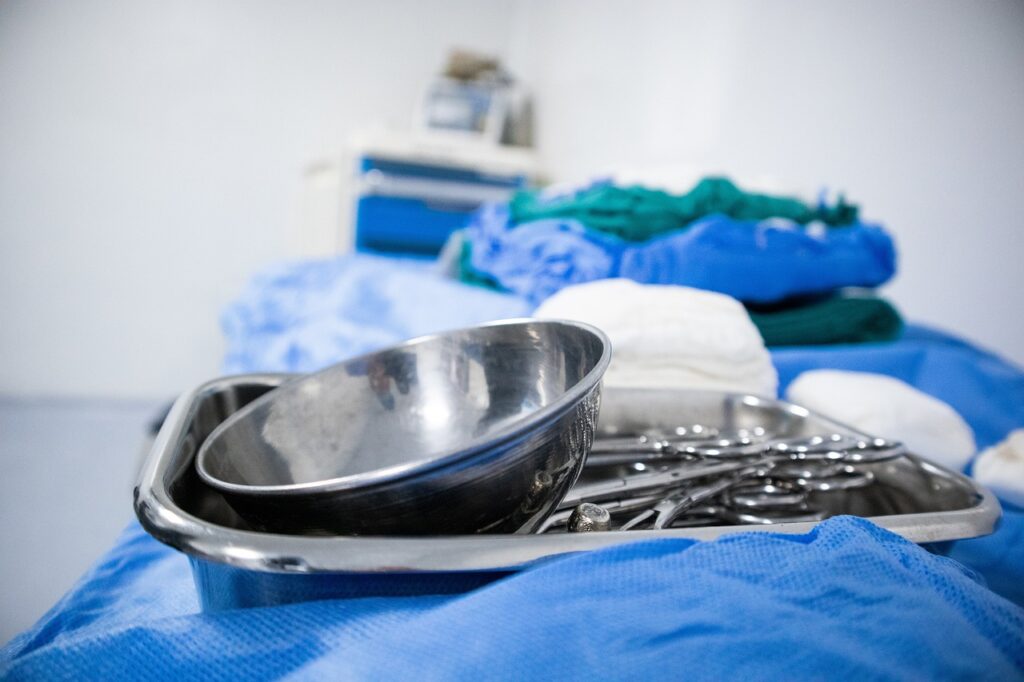
Ortho surgical instruments may look like standard stock items on a quotation sheet, but the view changes once the tray is opened in the operating room. A clamp that does not hold, a blunt osteotome, or a missing depth gauge can slow the case and put pressure on the scrub team. If you buy for a hospital, distributor, or clinic, it is better to start from the actual procedure flow rather than copy a broad catalog list. You can compare more options in the ortho surgical instruments section, then build sets around the procedures your customers perform every week.
Demand Is Tied to Real Patient Volume
The need for orthopedic tools comes from daily patient volume, not from a sales trend. The WHO Musculoskeletal Health fact sheet, using Global Burden of Disease 2019 data, reported about 1.71 billion people living with musculoskeletal conditions worldwide, including 528 million cases of osteoarthritis and 440 million people affected by fractures. The OECD Health at a Glance 2023 report also showed 2021 OECD averages of 172 hip replacements and 119 knee replacements per 100,000 people. These figures do not decide the exact tray you should buy, but they do show why stable instruments matter in normal clinical work. (who.int)
Instruments Follow the Order of Bone Work
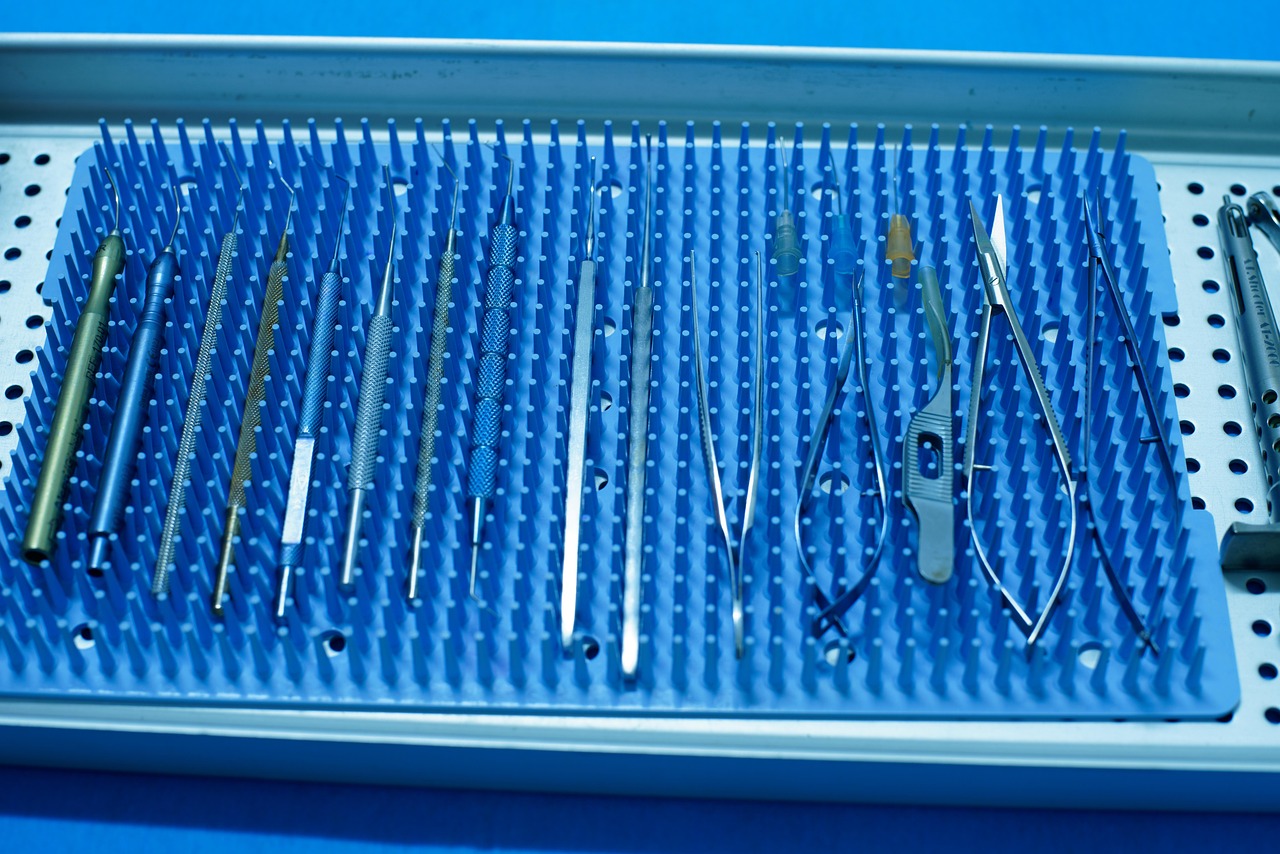
Orthopedic surgery often goes from exposure to reduction, then cutting or drilling, measurement, fixation, and closure support. A useful set should follow that order, so the team can find the next tool without wasting time. For fracture work, reduction clamps usually come before drill sleeves and screwdrivers. For joint work, the tray may need retractors, rasps, trial support tools, and impactors in the right sequence.
Set Gaps Create Small Delays
A missing periosteal elevator may look like a small issue on a purchase list. In a busy operating room, it can mean a delay, a phone call, and sometimes an extra backup tray being opened. Buyers often pay more attention to large items such as drills and plates, but small hand tools decide whether the case runs smoothly. A supplier should help check the full workflow, not only offer the parts that look more valuable on paper.
Which Basic Categories Belong in a Reliable Ortho Set?
A reliable ortho set is not one fixed box for every department. Trauma, spine, arthroplasty, and small bone work all need different tool mixes. Even so, most orthopedic hand instrument sets fall into three working groups. When these groups are balanced, the tray is easier to use, inspect, clean, and reorder.
Core Cutting and Shaping Instruments
Bone work needs tools that can cut, shape, scrape, or bite hard tissue with steady control. Common examples include osteotomes, chisels, gouges, curettes, rasps, rongeurs, saw guides, drill bits, and burr-related accessories. Cutting edges should be sharp enough for clean work, but they should not chip after short use. Handles also need to give firm control when gloves are wet, because a worn rongeur or weak grip is noticed at once during a case.
Holding, Clamping, and Retracting Tools
Bone-holding forceps, reduction clamps, Hohmann retractors, elevators, and general retractors help keep the field stable. The jaw profile is important because a clamp can either hold a fragment in the right position or damage it at the wrong contact point. Ratchets should close without rough movement and release without too much force. Retractors should have smooth working faces and edges that do not harm soft tissue during a longer procedure.
Measuring and Implant Support Tools
Depth gauges, drill sleeves, guide wires, taps, screwdrivers, and trial-related tools support accurate fixation. Their markings must stay readable after repeated cleaning, and the working ends must match the intended system. Screwdriver tips need a close fit with the screw design. A slightly loose tip may look acceptable during sample checking, but in bone fixation it can strip a screw head and waste operating time.
What Makes an Orthopedic Instrument Safe to Reprocess?
Reusable orthopedic instruments must go through cleaning, disinfection, sterilization, handling, and storage many times. Safety is not only about using stainless steel. It also depends on shape, surface finish, instructions, and whether staff can remove blood and tissue from the device after use.
Critical Device Rules
The CDC Guideline for Disinfection and Sterilization in Healthcare Facilities states that medical and surgical devices entering normally sterile tissue or the vascular system are critical items and should be sterilized before use on each patient. The same CDC guidance says steam is the preferred method for critical instruments that are not damaged by heat, steam, pressure, or moisture. For orthopedic hand tools, cleanability and steam compatibility should be checked before purchase. They should not be treated as small details after the order is placed. (cdc.gov)
Cleanable Geometry and Surface Finish
The FDA explains that reusable devices become soiled during use and need a detailed, multistep process to clean, then disinfect or sterilize them. It also notes that retained blood, tissue, or other debris can allow microbes to survive the next process. Deep grooves, blind holes, rough joints, and poorly finished hinges can make cleaning harder for the sterile processing team. For clamps and cannulated tools, ask for smooth transitions, accessible box locks, and cleaning steps that staff can follow in real work. (fda.gov)
Validated Instructions for Use
A supplier should provide instructions for use that match the instrument design and the target market. The FDA says manufacturers are required to validate reprocessing instructions so the recommended process consistently results in an adequately reprocessed device. If the instructions are unclear, poorly translated, or missing cycle details, the sterile processing team has to carry extra risk. Good paperwork is not exciting, but it prevents real problems later. (fda.gov)
How Do Materials and Finish Affect Your Purchase Decision?
Material choice affects how an instrument handles force, corrosion, sharpening, and repeated sterilization. The phrase surgical stainless steel is too general on its own. Buyers need actual material grades, heat treatment details when they apply, surface finish quality, and inspection rules.
Metals Named in ISO Standards
ISO 7153-1:2016 specifies metals commonly used to manufacture standard surgical instruments, including tools for orthopaedics and dentistry, and the standard was confirmed as current in 2022. This does not mean one metal is right for every tool. A cutting instrument, a retractor, and a screwdriver tip may need different hardness and toughness. Ask your supplier to match the metal to the function, and then ask for the material certificate to support it. (iso.org)
Edge Retention and Toughness Balance
Sharp tools need edge retention, but brittle edges cause trouble in use. Impact tools need toughness, while tools that are too soft can deform. For a chisel, the buyer should review edge geometry, heat treatment, and post-production testing. For forceps, jaw alignment and spring feel are more important than a polished look, and a supplier that explains these tradeoffs clearly is easier to work with than one that only says premium steel.
Surface Finish, Marking, and Corrosion Control
Polishing should remove burrs without rounding the working edges. Passivation and correct washing help control corrosion, and laser markings should stay readable without creating dirt traps. During sample review, check etched scales, product codes, and lot marks after several cleaning cycles. A bright mirror finish may look good in photos, but readable marks and clean joints are more useful in the sterile processing area. See also: Implants.
Which Documents Should You Ask From a Supplier?
For international purchasing, documents are part of the product. A well-made clamp with weak records can still fail a hospital tender or create trouble during customs review. Requirements differ by country, so the target market rules should be confirmed before ordering. This is especially important for sterile packaging, registration, labeling language, and importer duties.
Quality System Evidence
The FDA Quality Management System Regulation became effective on February 2, 2026, and incorporates ISO 13485:2016 into the U.S. medical device quality framework for manufacturers of finished devices. Even when you are not buying for the U.S. market, ISO 13485-based quality records are a useful sign that design, production, inspection, storage, and complaint handling are controlled. Ask for valid certificates and read the scope carefully. A certificate logo alone does not tell you whether the products you are buying are covered. (fda.gov)
Traceability and Inspection Records
For each order, you may need material certificates, lot numbers, dimensional inspection reports, hardness test records for cutting tools, surface finish checks, and final visual inspection records. These files should be clear enough for daily use, not just prepared for an audit. A distributor may handle hundreds of SKUs, so file names and lot links need to be easy to trace. Nobody wants to search through messy PDF folders when a hospital asks a question six months later.
Labeling and Packaging Information
Ask whether the instruments are supplied non-sterile or sterile, how they are packed, and which symbols appear on the labels. Reusable non-sterile hand instruments usually need clear cleaning and sterilization instructions before first use and after each use. Packaging should protect tips, jaws, and cutting edges during shipping. One loose osteotome in a thin pouch can arrive with a damaged edge before it ever reaches the tray.
How Can You Compare Suppliers Without Looking Only at Price?
Price matters, and no buyer works with an unlimited budget. The lowest quote, however, can cost more if replacements, complaints, or missing documents keep taking up time. A better comparison looks at sample quality, service response, batch consistency, and whether the supplier can repeat the same build month after month.
Real Procedure Fit
Compare samples against real case lists, not only against catalog photos. For a fracture set, check reduction clamps, screw depth tools, and retractors together. For arthroplasty support tools, check impact surfaces, handles, and trial-related compatibility. If possible, let experienced clinical users comment on balance and grip, because a surgeon or scrub tech will notice awkward weight much faster than a purchasing desk can.
Replacement and Service Terms
Good suppliers explain replacement parts, complaint review, lead times, and discontinued patterns without making the buyer chase every answer. Ask how damaged items are handled and how the supplier records feedback. Public data note: no reliable global public dataset was found that gives one universal defect rate for orthopedic surgical instruments. Because of that, your own incoming inspection, sample trials, and complaint history are more useful than any made-up benchmark.
Repeat Order Consistency
A sample can look right, while the third shipment may come with different polishing, markings, or feel. Check whether the supplier controls drawings, approved materials, polishing methods, and final inspection standards. Keep golden samples for common instruments such as elevators, forceps, and retractors. When repeat orders match the approved sample, customers see fewer surprises and the purchasing team gets fewer urgent messages after delivery.
FAQ
Q1: What Are Ortho Surgical Instruments Used For? A: They are used to expose, hold, cut, shape, measure, drill, and support fixation of bone and related tissue during orthopedic procedures.
Q2: Are Reusable Orthopedic Instruments Safe? A: Yes, when they are properly designed, cleaned, inspected, sterilized, stored, and used according to validated instructions. Poor cleaning access or weak instructions can raise risk.
Q3: Which Material Is Best for Orthopedic Instruments? A: There is no single best material for every instrument. Cutting tools, clamps, retractors, and screwdrivers need different hardness, toughness, and corrosion resistance.
Q4: What Should You Check Before Buying from a Supplier? A: Check sample quality, material certificates, ISO 13485 scope, inspection records, labeling, IFU details, packaging strength, and repeat order consistency.
Q5: Should Price Be the Main Factor in Instrument Purchasing? A: Price is important, but it should be checked together with clinical fit, reprocessing safety, documentation, service response, and long-term replacement cost.