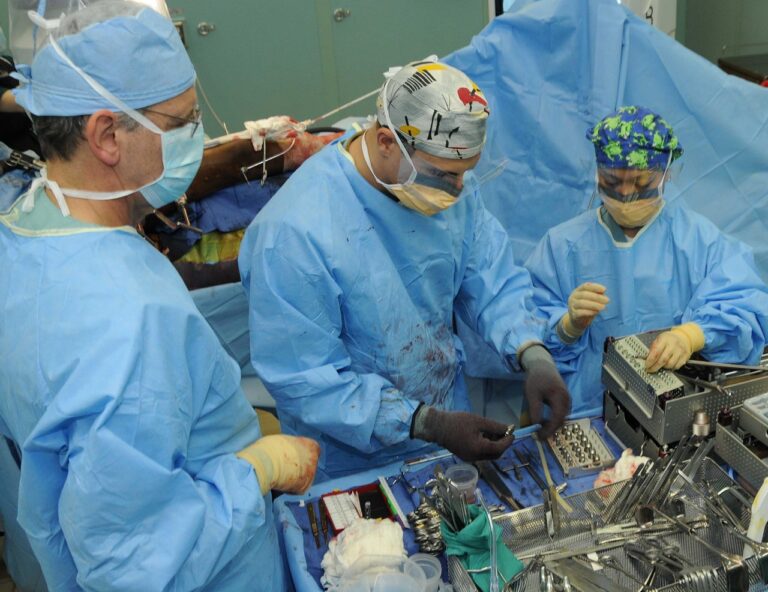

A practical guide to orthopedic general instruments
Orthopedic general instruments are nonpowered hand tools used to expose tissue, hold bone, cut or shape hard tissue, measure anatomy, and support fixation workflows. This guide explains common…

A practical overview of how healthcare facilities classify, clean, sterilise, monitor and document reusable medical instruments in line with recognized infection prevention guidance.
A practical guide to orthopedic instruments with names, typical uses, and their place in a surgical tray workflow, with notes on naming, materials, and reprocessing checkpoints.
Sterile wrap is more than packaging; it is a validated sterile barrier system. This article explains how wrapping instruments for sterilization connects cleaning, tray setup, cycle compatibility, drying,…
Autoclaving surgical instruments depends on point-of-use care, validated cleaning, inspection, packaging, cycle selection, monitoring, and documentation. This guide outlines the workflow and the limits sterile processing teams need…
Sterilization containers for surgical instruments are not storage boxes. They are validated sterile barrier systems that should be selected against device IFUs, sterilizer cycles, load configuration, handling needs,…
Autoclave sterilization works only as part of a controlled, validated reprocessing workflow. This article explains cleaning, cycle selection, monitoring, and common errors that affect reusable medical instruments.
The machine that sterilizes medical instruments is usually called an autoclave when it uses steam under pressure. In healthcare, the broader term is medical sterilizer because some devices…
Disinfection of medical instruments should be selected by patient-contact risk, not by a single routine. This article explains how cleaning, high-level disinfection, sterilization and validated instructions fit together…
A practical guide to the main categories of lab instruments used in medical laboratories, including selection, verification, maintenance, safety, data integrity, and documentation considerations.