

Why Does Sterilization of OT Instruments Matter in Daily Surgery?
The sterilization of OT instruments begins well before a tray goes into the autoclave. If you run an operating theatre, purchase instruments, or work with a sterile processing team, the process has to be repeatable, recorded, and workable on a busy surgery list. For product planning and tray setup, you can also check the medical instruments category. A clean and working instrument is not a minor point. In many theatres, one missing clamp or one wet pack can hold up a case, upset the surgeon, and create a risk that should have been avoided.
Surgical Instruments Are Critical Devices
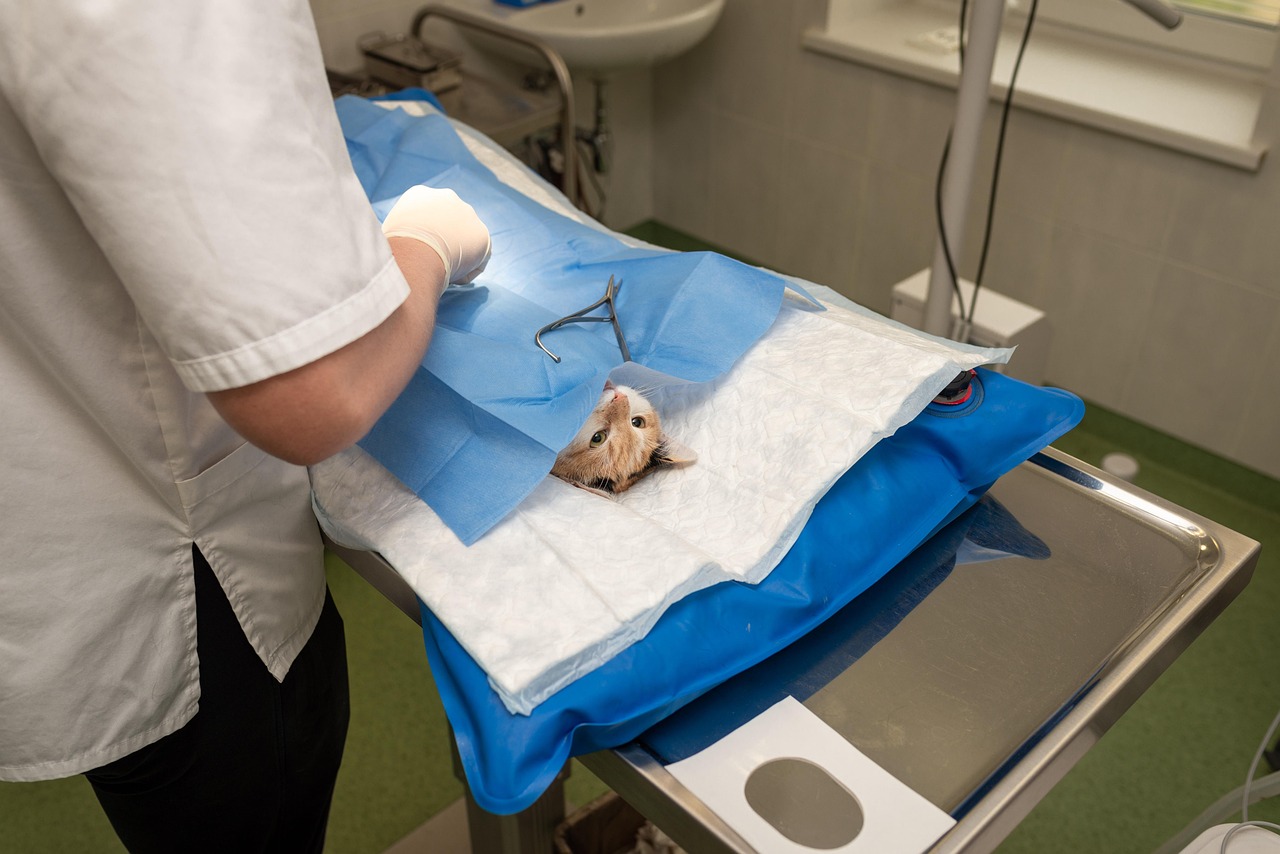
The CDC classifies instruments that enter sterile tissue or the vascular system as critical items, so they must be sterile before patient use. This rule applies to reusable forceps, scissors, retractors, needle holders, and many other OT instruments. Disinfection alone does not meet the requirement for these items.
SSI Risk Makes Every Step Count
WHO reported in 2016 that surgical site infections affect 11% of surgical patients in low and middle income countries, based on its global SSI prevention work. ECDC also reported in its 2023 surgical site infection surveillance that SSI percentages changed by procedure, from 0.4% in laminectomies to 10.2% in open colon surgery. The figures are not the same in every country or every surgery type, but the point is clear enough. Infection control is not just a file for audit; it is part of patient safety.
Good Sterile Processing Protects Workflow
A proper sterile processing routine also protects the theatre schedule. When instruments arrive clean, dry, counted, and sterile, the team can open the tray without second-guessing it. If a tray has a failed chemical indicator, moisture, or visible soil, the case may need to stop. On a packed OT list, that delay can affect the rest of the day.
What Should Happen at Point of Use?
Point of use care is the first line of control. It takes place in the operating room, right after instruments are used. The FDA states that reusable devices should receive initial decontamination and cleaning at the point of use, and staff should stop blood, tissue, and other debris from drying on the device. It is a basic task, but in real OT work it makes a large difference to the final sterilization result.
Gross Soil Removal Before Transport
Visible blood and tissue should be removed as soon as the clinical situation allows. Staff can use facility-approved wipes, sterile water, or other approved moistening methods. Saline is usually avoided because it can damage stainless steel surfaces. Hinged instruments should be opened, and fine tips should be protected. A small piece of dried tissue inside a box lock can cause a serious problem later, and in practice it often does.
Safe Closed Transport
Used instruments should be sent to the decontamination area in a closed, leak-resistant container. This protects staff, reduces accidental contact, and keeps contaminated items away from clean areas. Heavy instruments should not be placed where they can crush microsurgical tools or fine scissors. If your facility uses loaner trays, allow extra time because those trays still need complete processing before use.
Clear Separation from Clean Items
Dirty and clean traffic should not cross. The workflow should move from contaminated receiving to cleaning, then to inspection, packaging, sterilization, cooling, storage, and issue. If the department has limited space, the route still needs a clear dirty-to-clean direction. A small outpatient theatre can follow the same rule, just with a smaller layout.
How Should Cleaning Prepare Instruments for Sterilization?
Sterilization cannot make up for poor cleaning. The FDA warns that retained blood, tissue, or biological soil can allow microbes to survive later disinfection or sterilization. This is why cleaning should not be treated as a fast rinse. It is the step that removes the material blocking contact between the sterilant and the instrument surface.
Manual Cleaning for Hinges and Lumens
Manual cleaning is still needed for joints, serrations, ratchets, and areas that machines may not reach well. Use the detergent type, dilution, water temperature, brush size, and soaking time listed in the instrument instructions for use. Long narrow channels need the right brush diameter. If the brush is too small, it will not clean enough; if it is too large, it may damage the lumen.
Washer Disinfector Support
Many facilities use washer disinfectors after manual preparation. These machines can give steadier water action, detergent contact, rinsing, and drying than hand cleaning alone. Loading still matters. Instruments should be open and should not be stacked in tight piles. Bowls and basins should be positioned so they do not hold water. A washer helps the process, but it does not correct poor preparation.
Rinsing and Drying Before Inspection
After cleaning, instruments need enough rinsing to reduce detergent residue. Drying also matters because moisture can affect inspection, packaging, and sterilizer performance. Good lighting and magnification help staff see cracks, stains, rust, pitting, or leftover debris. Any instrument that still looks dirty should go back for cleaning, not move forward to the tray table.
What Makes Packaging and Loading Work Better?
Packaging has a simple job: let sterilant reach the instrument, then protect sterility until the pack is opened. AAMI ST79, reaffirmed in 2022 with amendments, is widely used as a steam sterilization and sterility assurance guide for healthcare facilities. It supports a controlled way to handle packaging, loading, monitoring, and storage.
Instrument Assembly by Function
Before packaging, each instrument should be checked for function. Scissors should cut test material as required by facility policy. Clamps should lock and unlock smoothly. Ratchets, screws, and insulation should also be checked. A tray count sheet helps stop missing items from reaching the OT. Heavier instruments should go below lighter ones so fine tips are not damaged.
Correct Wrappers, Pouches, and Containers
Use sterilization packaging that matches the sterilization method and the device instructions. Peel pouches are not designed to be overfilled. Wrapped sets need enough space for steam movement. Rigid containers need filters, valves, gaskets, and latches checked before use. If one container corner is dented, it should not be accepted just because the case is starting soon.
Autoclave Loading with Space
Steam must contact every surface. Overloaded chambers, tight stacking, and poor pack placement can block air removal and steam penetration. WHO reprocessing guidance notes that steam sterilization is preferred for heat-stable devices and that autoclaves should not be overloaded. Packs should be placed so condensate can drain and drying can finish. Mixed loads need attention because metal trays, textiles, and containers do not dry at the same speed. See also: Implants.
Which Sterilization Method Fits OT Instruments Best?
Most reusable stainless steel OT instruments are processed by moist heat in a steam sterilizer. Some devices need low-temperature methods because of heat sensitivity, mixed materials, or manufacturer limits. The safer choice is the validated method in the device instructions for use, matched with facility policy and national standards.
Steam Sterilization for Heat-Stable Devices
Steam sterilization is widely used because saturated steam transfers heat well, reaches many instrument surfaces, and leaves no toxic chemical residue when the cycle is correct. Common cycles differ by sterilizer type, load type, country, and device instructions. Staff should not copy time and temperature from a wall chart unless it matches the instrument and the sterilizer validation. This is where a small shortcut can create a large problem.
Low-Temperature Options for Sensitive Devices
Some powered tools, optical items, or heat-sensitive parts may need hydrogen peroxide gas plasma, vaporized hydrogen peroxide, ethylene oxide, or another validated low-temperature process. These methods have their own packaging limits, aeration needs, lumen limits, and monitoring rules. If a device cannot tolerate steam, guessing is not acceptable. Check the IFU before the device is released for processing.
Manufacturer Instructions Set the Limits
The manufacturer instructions for use should guide cleaning agents, brushes, lubrication, cycle type, exposure parameters, and drying. This is especially important for jointed instruments, coated instruments, minimally invasive tools, and mixed-metal devices. If the IFU is missing or unclear, the device should not be casually added to a tray. Ask the supplier for validated reprocessing instructions before it is used.
How Can You Check That a Sterilization Cycle Worked?
A passed cycle is not just a printout. Sterility assurance depends on several checks together: physical data, chemical indicators, biological indicators, load records, pack condition, and staff review. No single indicator gives the full answer. It is similar to checking a vehicle before a long delivery run; fuel is important, but tyres, brakes, and lights still matter.
Physical Monitors and Cycle Records
Physical monitors track items such as time, temperature, and pressure. Modern sterilizers usually print or store this data. Staff should review cycle records before releasing a load. If a parameter is missing or outside the accepted range, the load should be held and checked. A quick signature without review makes the record almost useless.
Chemical Indicators Inside and Outside Packs
External indicators show that a pack has been exposed to the sterilization process. Internal indicators help show that the right conditions reached the inside of the pack or tray. They do not prove sterility on their own, but they give a useful warning. If an internal indicator fails, the pack should not be used.
Biological Indicators and Load Release
Biological indicators use resistant spores to challenge the sterilization process. CDC guidance says that after a single positive biological indicator in a non-steam method, items processed in that sterilizer should be treated as nonsterile back to the last negative biological indicator and forward to the next satisfactory result. Facility policy should define routine BI frequency, implant load handling, quarantine rules, and recall steps. Staff also need to know who can release a load and who must be informed when a BI result fails.
FAQ
Q1: What Is the Main Goal of Sterilization of OT Instruments? A: The goal is to make critical surgical instruments free from viable microorganisms before patient use, so they can safely contact sterile tissue or the vascular system.
Q2: Can Clean-Looking Instruments Skip Manual Cleaning? A: No. Visual cleanliness is not enough. Blood, tissue, detergent residue, and biofilm can hide in hinges, serrations, and channels, so the approved cleaning process still needs to be followed.
Q3: Is Steam Always the Best Method? A: Steam is preferred for many heat-stable instruments, but not every device can tolerate it. Always follow the device instructions for use and choose the validated method listed there.
Q4: What Should You Do if a Sterile Pack Is Wet? A: A wet pack should not be used. Moisture can help microorganisms move through packaging, so the pack should be considered compromised and handled according to facility policy.
Q5: Which Public Sources Support These Practices? A: Key public references include CDC disinfection and sterilization guidance, FDA reusable device reprocessing information, WHO SSI prevention and medical device reprocessing guidance, ECDC SSI surveillance data, and AAMI ST79 for steam sterilization practice.