
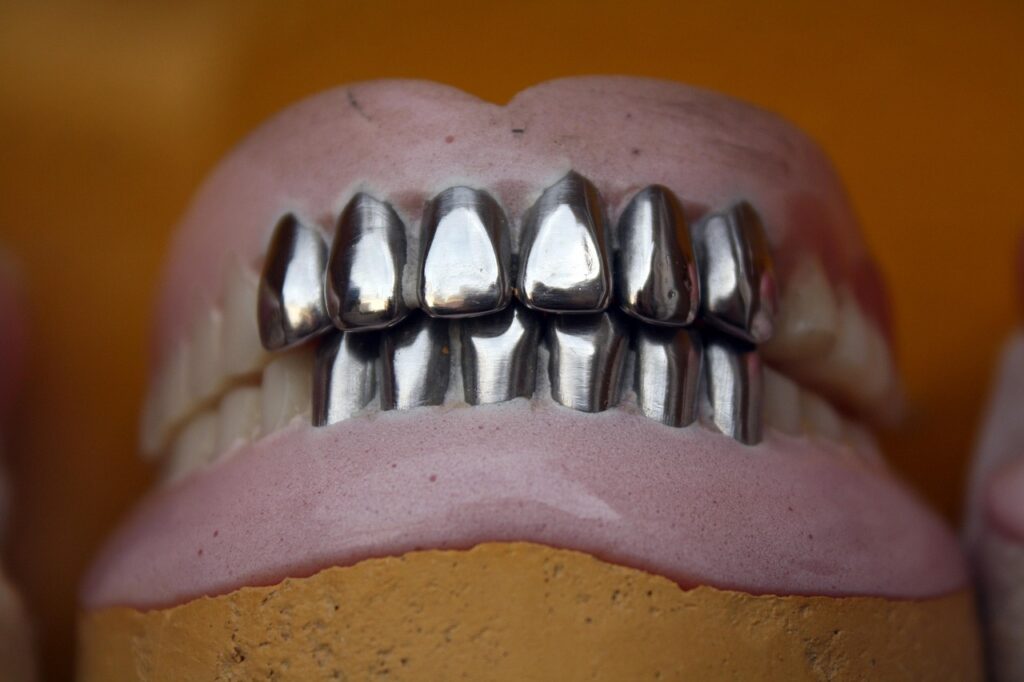
What Are the Main Types of Dental Implant Materials?
If you are comparing types of dental implants materials before treatment, start with one basic point: material choice is only one part of the case. Bone volume, gum health, bite force, smoking status, medical history, and the dentist’s surgical plan all affect the result. For more background on treatment options, you can also visit the Implants section.
Tooth replacement is a common need, not a small side issue in dentistry. The CDC 2024 Oral Health Surveillance Report found that complete tooth loss rose with age in U.S. adults, from 1.2% at ages 35 to 49 to 19.7% at age 75 or older. That is one reason implant material choices get so much attention. Most patients want a material that can stay stable in bone, handle chewing, and still look natural when they smile.
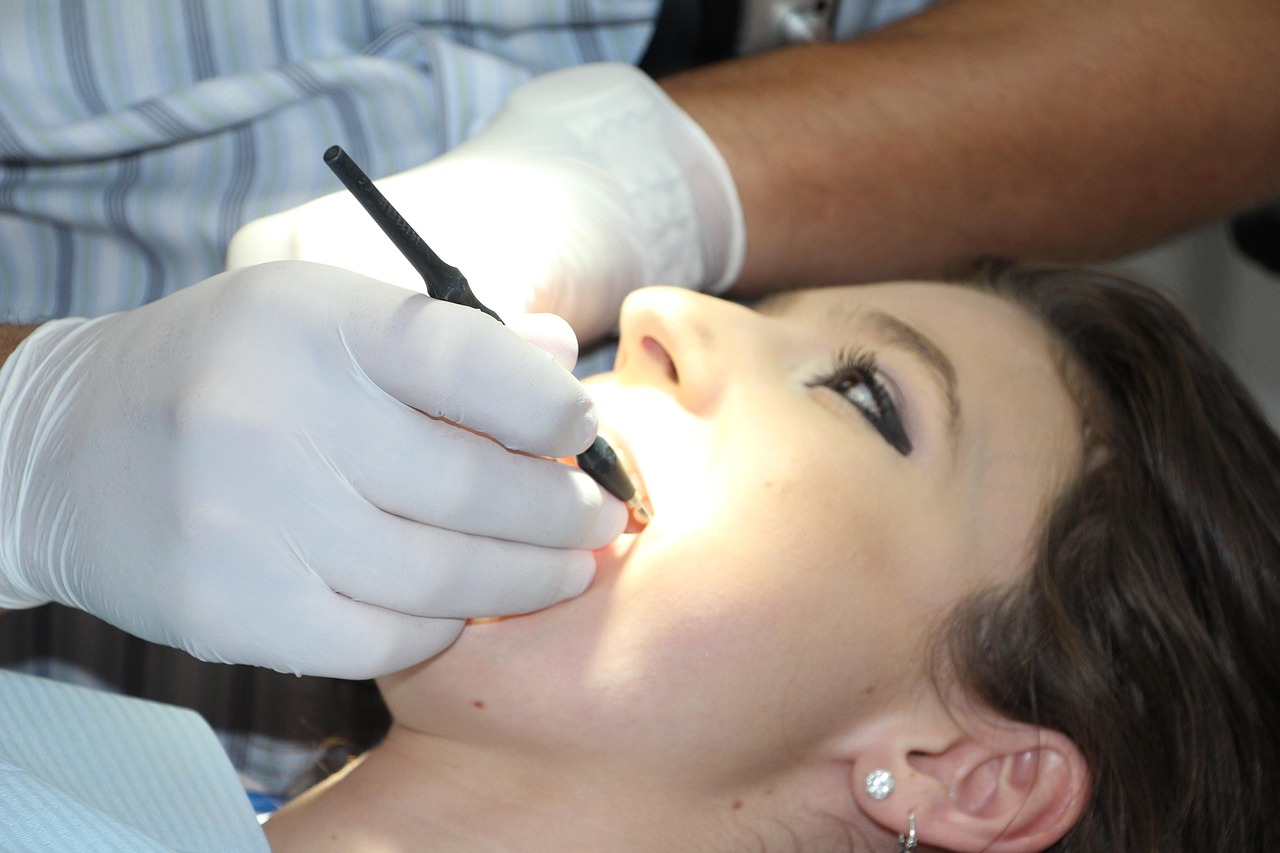
Titanium Implants
Titanium is still the main work material for many implant cases. It is commonly used for the implant body, the screw-like part placed in the jawbone. The FDA states, in content current as of October 29, 2021, that most dental implant systems are made from titanium or zirconium oxide and are evaluated through international standards such as ISO or ASTM. Titanium is widely used because bone can heal close to its surface, a process often called osseointegration.
Zirconia Implants
Zirconia, often called zirconium oxide in regulatory language, is a white ceramic material. Some patients choose it because they want a metal-free option, while others have thin gums where a gray shade from titanium may show. Zirconia can look good in the front of the mouth. It still needs careful case selection, especially in areas that take strong chewing force.
Less Common Metal and Ceramic Options
The FDA also lists titanium alloys, cobalt-based alloys, gold alloys, and other ceramic materials as less common implant system materials. These are not usually the first materials patients ask about, but they may be used in abutments, screws, frameworks, or special restorative parts. If a clinic recommends a less common material, ask for the brand, model, and reason. Keep that information with your dental records, because it may help if repair or part replacement is needed later.
Why Does Titanium Still Lead Most Implant Plans?
Titanium remains the standard choice because it has a long clinical history and a practical mix of strength, safety, and design options. That does not mean every patient must choose titanium. It means titanium often gives the dentist a familiar and well-studied starting point.
Proven Bone Integration
For an implant to work, your bone must heal around it and hold it steady. The American Association of Oral and Maxillofacial Surgeons, in patient education last updated July 2023, describes implant failure as uncommon and notes an overall success rate of up to 95% when properly cared for. That number is not a promise for every person. Smokers, patients with uncontrolled diabetes, and people with untreated gum disease face higher risks. Even so, it helps explain why titanium has built trust over many years of use.
Strength for Daily Chewing
Back teeth take real force every day. Chewing nuts, steak, or crusty bread puts stress on the implant and crown. The American Dental Association’s material review notes that commercially pure titanium has yield strengths ranging from 240 MPa to 550 MPa depending on grade, while certain titanium alloys can be stronger. This matters for narrow spaces, molars, and patients who clench or grind at night.
A Practical Fit for Many Cases
Titanium systems come in many shapes, diameters, lengths, and connection designs. That gives the dentist more room to match the implant to bone width, bite angle, and crown position. In a front tooth, that range of choices can help place the crown where it looks natural. In a molar, it can help manage chewing force without making the restoration too bulky.
When Can Zirconia Be a Better Fit?
Zirconia is not only a cosmetic term. It can be the right choice in selected cases, especially when the gumline is visible and appearance is a major concern. It should not be treated as an automatic upgrade over titanium. It is a different material, and the case needs to fit it.
A Tooth Colored Look Near the Gumline
If your gums are thin or you need a front tooth implant, zirconia can lower the chance of a gray tone showing through the tissue. That small color issue can be important for patients who show their gums when they smile. A front tooth gets noticed in mirrors, photos, and close conversations. A molar usually matters more for chewing than for appearance.
A Metal Free Preference
Some patients prefer a metal-free implant. Zirconia may fit that preference, but you should still review your medical and allergy history with a licensed dental professional. True titanium allergy is considered uncommon. Broad claims about metal toxicity often go further than strong public data can support, so it is better to discuss facts rather than rely on sales talk.
Mixed Research Results
A 2023 PeerJ systematic review and meta-analysis of randomized controlled trials compared zirconium and titanium implants. It included four studies from six publications and found no statistically significant survival-rate difference, but zirconium implants had a significantly lower success rate. The review also called for stricter assessment of zirconia implants before wider use. The practical takeaway is simple: zirconia can work, but titanium still has stronger long-term evidence for many routine cases.
How Do Abutment and Crown Materials Affect Your Result?
Many patients ask about the implant material but forget the parts above the gum. The implant body sits in bone. The abutment connects the implant to the crown. The crown is the part you see and chew with. These parts may use different materials, and that mix can affect appearance, repair options, and long-term maintenance.
Titanium or Zirconia Abutments
A titanium implant can support either a titanium abutment or a zirconia abutment. A titanium abutment is strong and common, especially in back teeth. A zirconia abutment may look better in the smile zone because it is lighter in color. Your gum thickness, crown material, and bite position help decide which option makes sense.
Zirconia and Porcelain Crowns
Zirconia crowns are widely used because they are strong and tooth colored. Porcelain layered over a core can look close to a natural tooth, but porcelain can chip if the bite is heavy or the design is too thin. For a single front tooth, shade matching can be hard. A good dentist may take photos, use shade tabs, and work closely with the lab to get a closer match.
Full Arch Prosthetic Materials
For full-mouth implant bridges, the visible teeth may be zirconia, acrylic over a titanium bar, porcelain, or hybrid materials. Each material feels and wears in a different way. Acrylic can be easier to repair but may wear sooner. Monolithic zirconia can be strong and smooth, but it needs a very accurate bite. If you grind your teeth, a night guard may be part of the plan. See also: Fixation.
What Health and Safety Checks Matter Before You Choose?
Material choice should not skip the basic health checks. The FDA notes that implant systems include an implant body, abutment, and sometimes an abutment fixation screw, and that biocompatibility testing is part of the safety evaluation. Even a well-tested material can fail if the clinical situation is poor.
Medical History and Healing Risk
Tell your dentist about diabetes, osteoporosis drugs, cancer treatment, immune conditions, blood thinners, smoking, and past gum disease. The FDA specifically notes that smoking may affect healing and reduce long-term implant success. If healing is slow or bone quality is weak, placing an implant too soon can cause larger problems later. In those cases, the safer path may be to control the risk first.
Gum Disease and Daily Cleaning
Implants cannot decay like natural teeth, but the tissue around them can still become inflamed. Peri-implantitis, a chronic infection around the implant, is one cause of long-term failure described by AAOMS. You still need brushing, flossing or water flossing, and regular maintenance visits. A new implant does not replace daily cleaning, even if the crown looks clean from the outside.
Brand Model and Records
Ask for the implant brand, model, size, and material. The FDA advises patients to keep brand and model information for records. This is not being picky; it is practical. If a screw loosens years later or you move to another city, your next dentist will have a much easier time finding compatible parts.
How Should You Compare Materials Before Treatment?
The best material is the one that fits your mouth, risk profile, budget, and expectations. A useful consultation should be specific to your case. If every patient receives the same answer, ask more questions before you decide.
Front Tooth Esthetics
For a front tooth, ask about gum thickness, smile line, crown shade, and whether a zirconia abutment or zirconia implant is being considered. Titanium may still work very well when placement and crown design are handled properly. Zirconia may help when tissue is thin or the esthetic demand is high. The final look depends on the full plan, not only the implant body.
Back Tooth Chewing Force
For molars, strength and bite design usually come first. Titanium is often favored because of its long record and broad range of implant designs. If zirconia is proposed for a back molar, ask how the dentist will manage bite load, grinding, implant diameter, and fracture risk. Those details matter more than the material name on its own.
Budget Timing and Maintenance
Material can affect cost, but surgery, bone grafting, lab work, temporary teeth, and follow-up visits also matter. Do not compare only the implant screw price. Ask for a full treatment estimate and a maintenance plan. A cheaper start can become expensive if the parts are hard to service later.
- Ask which material is being used for the implant body, abutment, and crown.
- Ask why that material suits your bone, gums, and bite.
- Ask what public data or clinical experience supports the recommendation.
- Ask what could go wrong and how repair would be handled.
FAQ
Q1: Are Titanium Dental Implants Better Than Zirconia? A: Titanium has the longer clinical record and is still the standard for many cases. Zirconia can be a good fit for selected esthetic or metal-free situations, but case selection matters.
Q2: Are Zirconia Implants Really Metal Free? A: Zirconia implants are ceramic and are often described as metal free in dental marketing. Ask your dentist about the exact product, because abutments, screws, or restorative parts can vary by system.
Q3: Can Dental Implant Materials Cause Allergies? A: Allergic reactions are possible with medical materials, but true titanium allergy appears uncommon. Share any allergy history before treatment, and ask whether testing or a different material is sensible for your case.
Q4: Which Material Looks Most Natural for a Front Tooth? A: Zirconia or a zirconia abutment can help when gum tissue is thin. Still, crown shade, gum shape, implant position, and lab skill often matter as much as the implant material.
Q5: How Long Do Dental Implant Materials Last? A: Many implants last for years with good planning and maintenance, but no material is permanent for every patient. Smoking, gum disease, heavy grinding, poor cleaning, and medical problems can shorten implant life.