
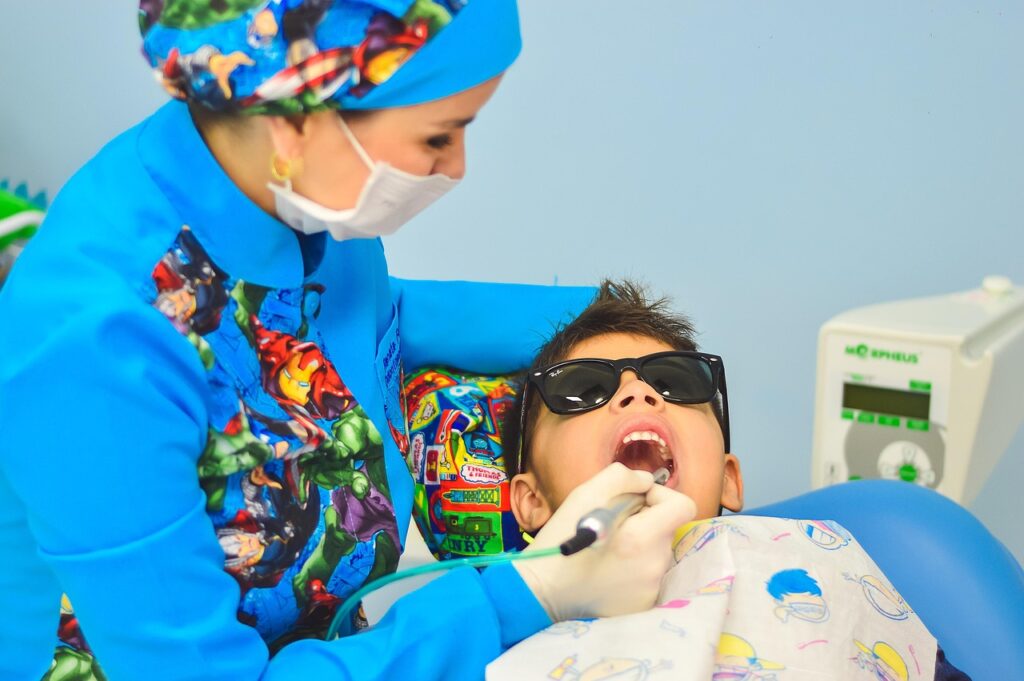
Titanium dental implants are surgically placed posts that replace missing tooth roots and support crowns, bridges, or dentures. They are widely used because titanium and titanium alloys can integrate with jawbone, have a long clinical record, and are recognized in dental device standards and regulatory reviews. Still, an implant is not just a metal screw that works the same way in every mouth. Outcomes depend on bone volume, gum health, smoking status, diabetes control, oral hygiene, implant design, prosthetic design, and maintenance visits. For patients comparing titanium with zirconia or other materials, the practical question is not whether titanium is universally better. It is whether titanium is the most suitable, evidence-supported option for a specific oral condition and medical profile.
For more implant-focused explainers, visit our Implants section.
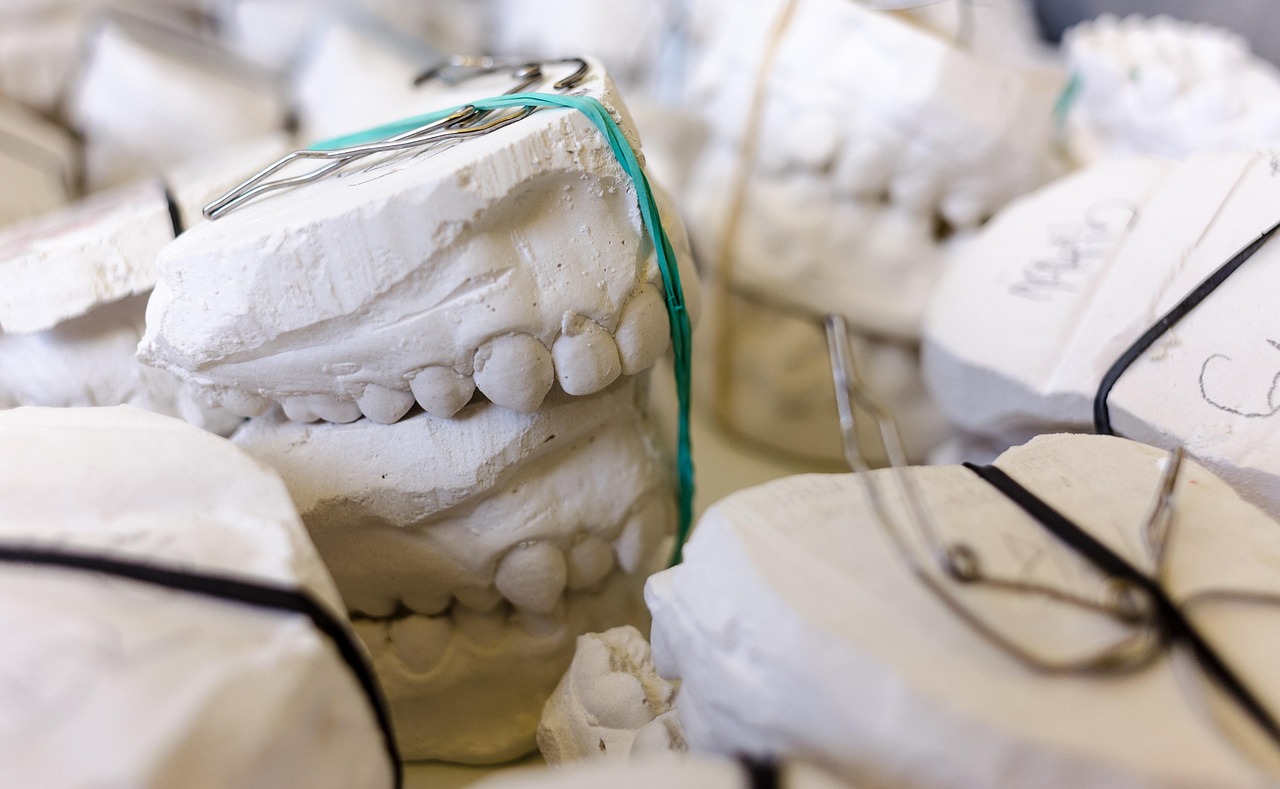
What titanium dental implants are
A dental implant system usually has three functional parts: the implant body placed in the jawbone, an abutment that connects the implant to the restoration, and the visible prosthetic tooth or teeth. The implant body acts as an artificial root. After placement, bone cells grow around the implant surface through a process known as osseointegration. The American Dental Association describes this healing stage as the reason an implant can become a stable anchor for a replacement tooth.
The term “titanium dental implants” may refer to commercially pure titanium implants or titanium alloy components. In clinical practice, the final restoration often includes more than one material. For example, a patient may receive a titanium implant body, a titanium or zirconia abutment, and a ceramic crown. For that reason, material discussions should separate the implant post from the abutment and the crown.
The U.S. Food and Drug Administration notes in its patient information on dental implants that most dental implant systems are made from titanium or zirconium oxide, with other materials used less commonly. The FDA also describes dental implants as medical devices that must be evaluated for safety and effectiveness before marketing in the United States. This context matters because patients often hear simplified claims about “metal” or “ceramic” implants, while the actual evaluation involves intended use, design, surface characteristics, manufacturing controls, and biological compatibility.
Why titanium is used in implant dentistry
Titanium has several properties that explain its central role in implant dentistry. It forms a stable oxide layer on its surface, which contributes to corrosion resistance and tissue compatibility. It also provides favorable strength for small, load-bearing devices placed in bone. Just as important, decades of clinical use have given clinicians more long-term experience with titanium than with newer implant materials.
Modern titanium implants are not all the same. Their surfaces may be machined, roughened, etched, blasted, oxidized, coated, or treated with a combination of methods. These surface modifications are intended to influence early bone response and mechanical stability. A 2025 systematic review in the British Dental Journal evaluated titanium implant surface modifications across 30 studies involving 1,719 participants. The review reported high success rates across the included studies, while also emphasizing heterogeneity in study design, follow-up periods, and surface categories. That distinction is important: surface technology may matter, but the evidence does not support a simple claim that one surface is always superior for every patient.
Titanium also gives clinicians broad restorative flexibility. Titanium components are available in many diameters, lengths, connection designs, and prosthetic configurations, allowing treatment plans for single-tooth replacement, multiple-tooth bridges, and full-arch restorations. That flexibility does not replace diagnosis and planning. An implant placed too close to another tooth, positioned at an unfavorable angle, or restored with contours that are difficult to clean can cause long-term problems even when the material itself is well established.
Benefits patients usually expect
The main benefit of titanium dental implants is stable support for replacement teeth without relying on adjacent natural teeth. Compared with a traditional tooth-supported bridge, an implant can avoid cutting down neighboring teeth when those teeth are otherwise healthy. Compared with removable dentures, implant-supported restorations may improve chewing stability and comfort for suitable candidates.
Public guidance from the FDA lists several potential benefits of dental implant systems, including restored chewing ability, improved appearance, support for jawbone preservation, improved stability of nearby teeth, and quality-of-life benefits. These are potential benefits, not automatic outcomes. They depend on successful healing, correct prosthetic design, and ongoing maintenance.
Titanium implants can also be used in a wide range of restorative plans. A single missing premolar, a back molar, a short-span bridge, or a full-arch prosthesis may all involve titanium implants, although the number, size, and position of the implants will differ. In complex cases, dentists may use cone-beam imaging, surgical guides, bone grafting, sinus augmentation, or staged treatment. These steps are not signs that titanium is weak; they reflect the biological limits of available bone and soft tissue.
| Patient goal | How titanium implants may help | Important limitation |
|---|---|---|
| Replace a single missing tooth | Supports an individual crown without preparing adjacent teeth | Requires enough bone and space for safe placement |
| Improve denture stability | Can support overdentures or fixed full-arch restorations | Maintenance needs remain, especially around attachments and prosthetic contours |
| Preserve jaw function | Helps transfer chewing forces to bone after tooth loss | Bone loss, infection, or overload can still affect long-term outcomes |
| Improve appearance | Provides support for restorations shaped to match the smile | Gum thickness, implant position, and crown material influence esthetics |
Risks and complications to understand before treatment
Titanium dental implants involve surgery, healing, and long-term exposure to the oral environment. Early complications can include pain, swelling, bleeding, infection, injury to nearby teeth, nerve disturbance, or sinus-related complications in the upper jaw. Later complications can include screw loosening, crown fracture, bone loss, gum recession, implant mobility, or implant loss.
The main long-term biological concern is disease around the implant. The American Academy of Periodontology describes peri-implant diseases as inflammatory conditions affecting the soft and hard tissues around implants. Peri-implant mucositis involves inflammation without progressive bone loss and may be reversible when detected early. Peri-implantitis involves inflammation with loss of supporting bone and is more difficult to manage.
The 2023 European Federation of Periodontology S3 clinical practice guideline emphasizes that biofilm control, risk-factor management, diagnosis, and supportive peri-implant care are central to prevention and treatment. The same guideline identifies a history of severe periodontitis, poor plaque control, and lack of regular supportive care as important risk factors or indicators for peri-implantitis. It also discusses smoking and diabetes as factors that require careful assessment, while noting that the strength of evidence varies depending on the specific question.
Patients should also understand the difference between implant survival and implant success. Survival may simply mean the implant remains in the mouth. Success usually requires additional criteria, such as healthy tissues, stable bone levels, absence of symptoms, and a functional restoration. A surviving implant can still have inflammation, bone loss, or prosthetic complications that need treatment.
Titanium vs zirconia implants
Zirconia implants are often presented as a ceramic alternative to titanium. They may be considered for esthetic reasons, especially where thin gum tissue could make a grayish metal hue more visible, or for patients with documented metal sensitivity concerns. However, zirconia and titanium implants differ in clinical history, component design, prosthetic options, and the amount of long-term evidence available.
A 2023 systematic review comparing zirconia and titanium implants reported similar short-term survival in the limited randomized controlled trials available at 12 months, while calling for more long-term randomized evidence on zirconia implants. That conclusion should be interpreted carefully. “Similar at 12 months” does not mean “equally proven over decades.” Titanium has broader long-term clinical use, while zirconia may be appropriate in selected cases when a clinician judges that the benefits outweigh the limitations. See also: Fixation.
Material choice also affects restorative planning. Many zirconia implants are one-piece designs, although two-piece options exist. One-piece designs can reduce certain connection issues, but they may require very precise positioning because the abutment angle cannot be changed as flexibly after placement. Titanium systems often offer a wider range of components, which can help in complex prosthetic planning. For front teeth, however, soft-tissue thickness and crown design may matter as much as implant material.
| Comparison point | Titanium implants | Zirconia implants |
|---|---|---|
| Clinical history | Long and extensive use in implant dentistry | Growing use, but less long-term evidence overall |
| Esthetics | May show a gray hue if tissue is very thin or recedes | White ceramic color may help in selected esthetic cases |
| Component flexibility | Wide range of implant, abutment, and prosthetic options | Options vary by system and may be more limited |
| Evidence interpretation | Supported by broad clinical experience and many studies | Promising in selected situations, but long-term comparative evidence is still developing |
Who may be a good candidate
A good candidate for titanium dental implants is not defined by age alone. General health, oral health, bone quantity, gum condition, medication history, and willingness to maintain the implant are more important. ADA patient education materials note that health can matter more than age and that chronic illnesses such as diabetes or leukemia may interfere with healing after surgery. Tobacco use can also slow healing.
Common parts of an implant evaluation include a dental examination, periodontal assessment, medical history review, imaging, bite analysis, and discussion of restorative goals. If a tooth was lost because of advanced gum disease, that disease must be controlled before implant placement. If a patient has insufficient bone, grafting or alternative restorative plans may be discussed. If the bite places heavy force on the planned restoration, the dentist may consider design changes, night guards, or other protective strategies.
Patients should ask practical questions before treatment:
- What implant system, material, and component design will be used?
- Is the implant body titanium, titanium alloy, zirconia, or another material?
- Will the crown be screw-retained or cement-retained, and why?
- How will I clean around the implant and prosthesis?
- What follow-up schedule is recommended after restoration?
- What risk factors in my case could affect healing or long-term stability?
These questions are not about challenging the clinician. They help patients understand the treatment plan and keep accurate device information for future dental or medical care.
Maintenance matters as much as material
One common misconception is that because an implant cannot get “decay,” it needs less care than a natural tooth. The titanium post will not develop a cavity, but the surrounding gum and bone can become inflamed. Plaque can accumulate around implant crowns, bridges, bars, and dentures. If the design is difficult to clean, daily hygiene becomes harder and disease risk may increase.
Supportive care typically includes professional monitoring, cleaning around implant components, evaluation of bleeding or probing depths, radiographs when indicated, and review of home-care technique. The EFP guideline treats supportive peri-implant care as an essential part of implant dentistry, not an optional extra. This is especially important for patients with a history of periodontitis, smokers, patients with diabetes, and people with restorations that require special cleaning aids.
Home care may include a soft toothbrush, interdental brushes, floss designed for implants, water irrigation, or other aids recommended by the dental team. The best tool depends on the space around the restoration and the shape of the prosthesis. Aggressive scraping with inappropriate instruments is not a substitute for professional maintenance and can damage components or tissues.
Frequently asked questions
Are titanium dental implants safe?
Titanium dental implants are widely used medical devices, and titanium and zirconium oxide are identified by the FDA as common dental implant system materials. Safety depends on the specific device, patient health, surgical planning, sterile technique, restoration design, and follow-up. Patients with allergy concerns, immune conditions, complex medical histories, or previous implant problems should discuss those issues before surgery.
Can titanium dental implants cause metal allergy?
True titanium hypersensitivity appears uncommon, but material reactions are a legitimate topic for individual evaluation. Patients with a history of metal reactions should tell their dentist or surgeon before treatment. In some cases, clinicians may consider allergy assessment, alternative materials, or a different restorative approach.
How long do titanium dental implants last?
Many titanium implants function for years or decades, but no implant should be presented as guaranteed for life. Longevity depends on bone support, gum health, oral hygiene, smoking, diabetes control, bite forces, prosthetic maintenance, and timely treatment of complications. Published studies often report survival, but survival is not the same as complete health or absence of repair needs.
Is zirconia better than titanium for front teeth?
Zirconia may offer esthetic advantages in selected front-tooth cases because it is tooth-colored. However, titanium often provides more component flexibility and broader long-term evidence. The better material depends on gum thickness, smile line, implant position, bite forces, restorative design, and the clinician’s assessment.
Can smokers get titanium dental implants?
Some smokers receive implants, but tobacco use is associated with slower healing and greater concern for complications. Public dental guidance and periodontal guidelines commonly identify smoking as a risk factor that should be addressed during planning and maintenance. A dentist may recommend quitting or reducing tobacco use before and after surgery.
The bottom line
Titanium dental implants remain a major option in modern tooth replacement because they combine strength, biocompatibility, osseointegration potential, and broad restorative flexibility. The strongest treatment decisions, however, are not based on material preference alone. They come from a complete diagnosis, clear discussion of risks, realistic expectations, careful placement, cleansable prosthetic design, and long-term maintenance. For many patients, titanium is an evidence-supported choice. For others, zirconia or a non-implant alternative may deserve discussion. The right answer is the one that fits the patient’s oral biology, medical history, esthetic needs, and ability to maintain the restoration over time.