
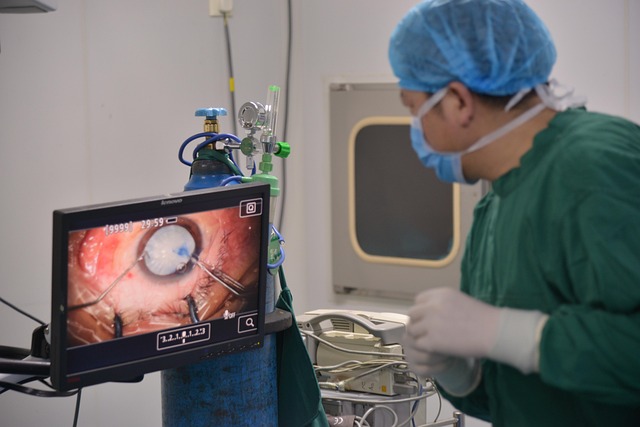
Robotic-Assisted Knee Replacement Surgery Showing Higher Rate of Complications
Robotic-assisted knee replacement has been promoted as a breakthrough in orthopedic surgery, promising unmatched precision and faster recovery. Yet, recent clinical data reveal a more complex picture. While robotic systems can enhance alignment accuracy, several studies have reported higher rates of soft tissue injury, prolonged operative time, and early technical issues compared to conventional full knee replacement. For surgeons and institutions, the challenge now lies in balancing innovation with reliability—ensuring that technology complements rather than complicates surgical outcomes.
Overview of Knee Replacement Surgical Approaches
Knee arthroplasty techniques have evolved dramatically over the past five decades. Understanding this evolution is key to interpreting current debates around robotic-assisted reliability.
Evolution of Knee Arthroplasty Techniques
Total knee arthroplasty (TKA) originated in the 1960s with hinged prostheses designed primarily for pain relief rather than motion preservation. Over time, implant design shifted toward anatomical conformity and modularity. The 1990s introduced computer-assisted navigation, which later paved the way for robotic systems capable of millimeter-level bone resection accuracy. These advancements have improved reproducibility but also introduced new dependencies on software calibration and imaging fidelity.
Comparative Framework for Evaluating Surgical Reliability
In orthopedics, reliability refers to consistent performance across cases without significant deviation in outcomes. Surgeons assess this through metrics such as mechanical axis alignment within ±3°, implant survival beyond 10 years, and complication rates below 5%. Surgeon experience remains a dominant factor; even with advanced tools, intraoperative adaptability determines whether technology enhances or hinders procedural success.
Full Knee Replacement: Conventional Methodology and Outcomes
Conventional full knee replacement remains the benchmark for evaluating newer approaches. Despite its manual nature, decades of refinement have yielded predictable results.
Surgical Workflow and Instrumentation in Conventional TKA
Traditional TKA follows a standardized sequence: exposure via medial parapatellar incision, bone resection using mechanical guides aligned to anatomical landmarks, trial fitting, cementation, and closure. Mechanical jigs rely on visual cues and tactile feedback. This introduces human variability but allows real-time adjustment when encountering atypical anatomy or bone loss.
Clinical Outcomes and Long-Term Reliability
Conventional TKA achieves over 90% implant survival at 15 years in large registry analyses. Most patients regain functional range between 0–110° flexion within six months. Common complications include infection (1–2%), stiffness requiring manipulation (up to 5%), and polyethylene wear after a decade or more. Despite these risks, traditional methods remain clinically reliable for end-stage osteoarthritis management.
Robotic-Assisted Knee Replacement: Technology and Technique
The integration of robotics into arthroplasty aims to reduce surgeon-dependent variability through digital precision. However, its complexity introduces new operational challenges that can affect reliability.
Principles of Robotic Assistance in Arthroplasty
Robotic-assisted systems combine preoperative CT or MRI imaging with intraoperative navigation sensors to create patient-specific surgical plans. Semi-active systems guide the surgeon’s hand within predefined boundaries, while fully active robots execute programmed cuts autonomously under supervision. Real-time feedback allows precise control of bone removal depth and alignment angles but demands meticulous calibration before each case.
Expected Advantages Over Conventional TKA
Advocates highlight improved component positioning within ±1° tolerance and enhanced ligament balance through data-driven planning. Some studies suggest better early kinematic restoration due to individualized joint line preservation. Automated guidance theoretically reduces human error; however, these benefits depend heavily on system integrity and user familiarity.
Complication Rates and Reliability Concerns with Robotic-Assisted Surgery
While robotic assistance offers precision benefits, accumulating evidence shows that complication profiles differ significantly from conventional TKA.
Analysis of Reported Postoperative Complications
Reported complications include minor soft tissue injuries from arm collisions or excessive retraction during registration phases. Operative times often extend by 20–40 minutes during early adoption phases due to setup complexity. Technical malfunctions—ranging from sensor drift to software freeze—can necessitate conversion to manual instrumentation mid-procedure. Revision rates remain comparable overall but show higher variance across centers implementing new robotic platforms.
Factors Influencing Variability in Clinical Outcomes
Outcome variability stems from multiple sources: inconsistent system calibration, hardware sensitivity to movement artifacts, and surgeon proficiency during the learning curve estimated at 20–30 cases. Hospitals lacking dedicated robotics teams face additional challenges maintaining workflow efficiency when unexpected anatomical variations occur.
Evaluating Long-Term Efficacy and Implant Survival Rates
The long-term performance of robotic-assisted implants is still being established through ongoing registry monitoring and prospective trials.
Evidence from Clinical Trials and Registry Data
Five-year registry data indicate similar implant survival between robotic-assisted and conventional TKA cohorts when performed by experienced surgeons. Patient-reported outcome measures show marginally higher satisfaction scores in some series but not consistently across populations. Because widespread adoption began less than a decade ago, robust ten-year comparative data remain limited.
Economic Considerations Related to Surgical Reliability
Investment costs exceed $1 million per robotic unit plus annual maintenance fees. Proponents argue potential savings through reduced revision surgeries or shorter hospital stays could offset expenses over time. Yet hospitals must weigh these gains against longer operative durations and training costs before achieving efficiency parity with conventional methods.
Future Directions in Knee Arthroplasty Reliability Research
Emerging technologies aim to refine both human decision-making and machine autonomy within orthopedic surgery.
Integrating Artificial Intelligence with Robotic Systems
Artificial intelligence may soon predict optimal implant sizing or alignment strategies using aggregated patient datasets exceeding millions of entries from national registries like those maintained by OECD health databases or ISO-certified device tracking programs. Machine learning algorithms could provide intraoperative alerts when deviations exceed safety thresholds.
Standardizing Outcome Measurement Across Surgical Modalities
To compare reliability fairly across centers, orthopedic societies advocate developing unified scoring frameworks incorporating mechanical accuracy metrics alongside PROMs such as Oxford Knee Score or KOOS-JR indices. Multicenter collaborations are essential for validating whether robotic precision translates into measurable long-term benefit over full knee replacement performed manually.
FAQ
Q1: Does robotic-assisted knee replacement reduce revision risk?
A: Early data show no significant difference compared with conventional surgery once surgeons surpass the learning curve.
Q2: Why do robotic surgeries take longer?
A: Setup time for imaging registration and system calibration extends total operative duration despite faster cutting phases later on.
Q3: Are all hospitals equipped for robotic knee replacement?
A: Only high-volume centers typically invest in such systems due to cost and infrastructure requirements.
Q4: What is the main cause of complications in robotic-assisted procedures?
A: Most arise from technical errors during registration or unanticipated hardware malfunction rather than surgical skill alone.
Q5: How soon will long-term results be available?
A: Reliable ten-year survival data are expected within the next few years as current patient cohorts reach maturity in global joint registries.