
Are Zirconium Oxide Dental Implants a Good Choice for Missing Teeth?
If you are checking tooth replacement options, zirconium oxide dental implants may appear on your list because they are white and are often called ceramic or metal-free implants. That sounds clear enough, but the real issue is whether the material suits your mouth, your bite, your gum line, and the way you clean your teeth over time. Tooth loss is also a common health issue, not only a cosmetic concern. The CDC 2024 Oral Health Surveillance Report found that adults aged 65 years or older had an average of 6.4 missing teeth due to disease, so implant planning is part of routine oral health care for many people. (cdc.gov)
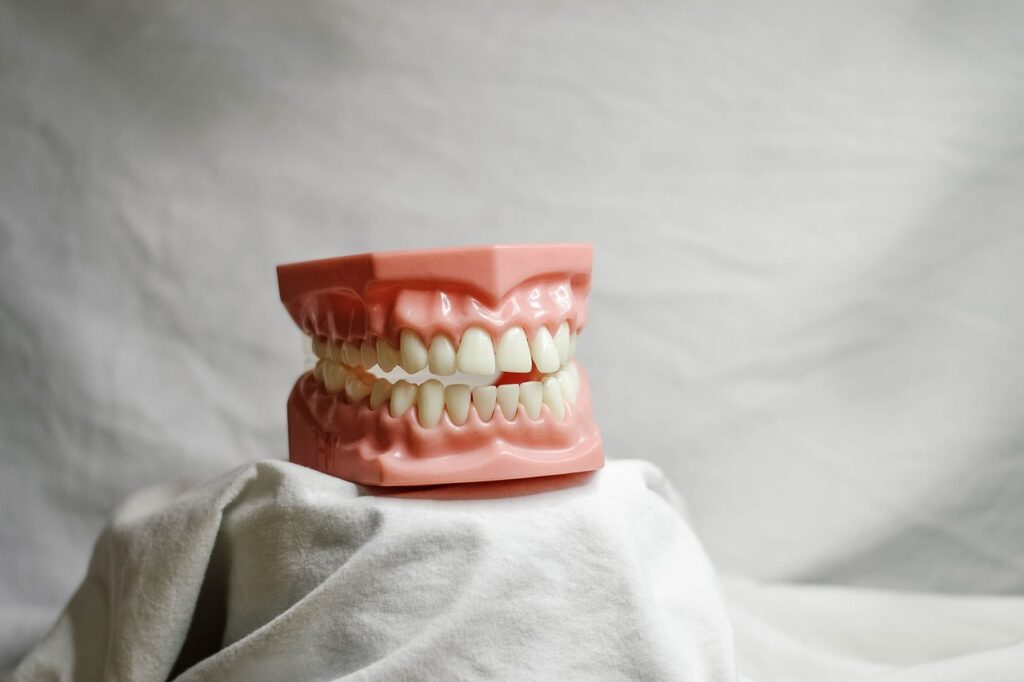
White Ceramic Implant Body
Zirconium oxide, commonly called zirconia, is a hard dental ceramic. It is not the same as a thin cosmetic porcelain crown, and it is not pure zirconium metal. In dental implant systems, zirconia can be used as the implant body placed in the jaw. The FDA notes that most dental implant systems are made from titanium or zirconium oxide, and these materials are reviewed through recognized safety standards and biocompatibility testing before marketing in the United States. (fda.gov)
Tooth Root Replacement
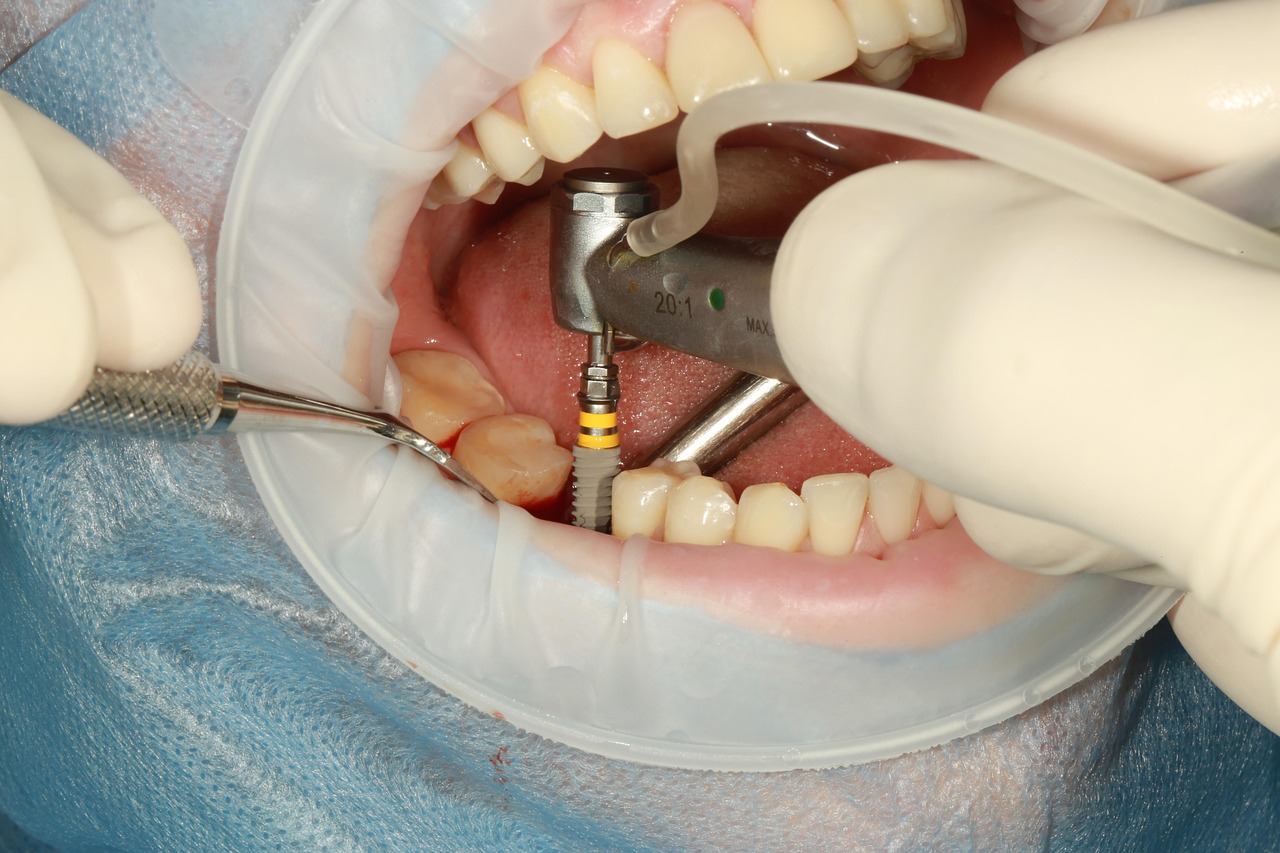
An implant does more than fill the gap you see when you smile. It replaces the root area under the gum and supports a crown, bridge, or denture above the gum. The FDA describes a dental implant system as an implant body plus an abutment, and sometimes a fixation screw. The body sits in the jawbone, while the abutment holds the artificial tooth. This hidden structure matters when you chew meat, bite toast, or talk through a long workday. (fda.gov)
Single Tooth to Full Arch Use
Ceramic implants may be considered for one missing tooth, several missing teeth, or selected larger restorations. The American Academy of Periodontology explains that implant treatment plans can include single-tooth, multiple-tooth, and full-mouth implant procedures, depending on bone, gum health, and the final prosthetic design. A front tooth with a thin gum line is not the same case as a back molar under heavy bite force. This is why the planning step should not be rushed. (perio.org)
How Do Zirconium Oxide Dental Implants Compare With Titanium?
Titanium has been the standard material in implant dentistry for many years. Zirconia has gained use because some patients and clinicians want a white ceramic option. The comparison is not about one material beating the other in every case. It is about evidence, appearance, system design, and the dentist’s experience with that implant system.
Clinical Evidence Is Promising but Narrower
A 2023 systematic review and meta-analysis on PubMed reported an estimated 5-year survival rate of 97.2% for commercially available zirconia implants, with mean marginal bone loss of 1.1 mm after 5 years of loading. That is useful data for selected cases. Titanium still has more decades of clinical use, more brands, more component options, and more long-term data in complex cases. So zirconia is a serious option, but case selection still carries a lot of weight. (pubmed.ncbi.nlm.nih.gov)
Esthetic Gain in Thin Gum Areas
The main practical benefit is often appearance. Zirconia is white, so it can lower the chance of a gray shadow showing through thin gum tissue around a titanium implant. This may matter in the upper front teeth, where a small amount of gum recession can change the look of a smile under bright light. A review on zirconia surface modifications describes zirconia as valued for color, opacity, and esthetic behavior that can mimic natural teeth. (pubmed.ncbi.nlm.nih.gov)
Material Preference and Allergy Concerns
Some patients ask for zirconia because they prefer a ceramic implant or have questions about metals. True titanium allergy is not common, but material sensitivity should still be discussed in the consultation. The FDA’s medical device material safety summaries state that most people with implanted devices have no adverse material reaction, while a small number may have biological responses to certain implant materials. That calls for a careful medical history, not fear-based treatment. (fda.gov)
Who Is a Good Candidate for Ceramic Implants?
A good candidate is not just someone who likes the idea of a white implant. Your dentist or oral surgeon needs to check bone volume, gum thickness, medical risks, bite load, and the space for the final crown. Zirconia can work well in the right mouth. It should not be pushed into a case where the bone, bite, or prosthetic space makes the treatment less predictable.
Healthy Bone and Gum Support
Implants need stable bone and clean, healthy gum tissue. If bone has shrunk after years of missing teeth, you may need grafting, ridge modification, or sinus augmentation before implant placement. The American Academy of Periodontology notes that bone quantity and quality are key to implant success, especially in the upper back jaw near the sinus. This is where a 3D scan can give the clinician the detail needed for a sound plan. (perio.org)
Controlled Medical and Lifestyle Risks
Your general health affects healing. Uncontrolled diabetes, active gum disease, heavy smoking, and poor plaque control can raise the risk of delayed healing or implant failure. The FDA advises patients to discuss overall health before implant treatment and notes that smoking may affect healing and reduce long-term implant success. A ceramic implant still needs healthy tissue and good healing around it. (fda.gov)
Bite Forces and Restoration Space
Zirconia is strong, but ceramic materials do not behave exactly like metals. If you grind your teeth, clench at night, or have limited space between the upper and lower teeth, your clinician must plan the implant diameter, angle, crown shape, and bite contact with care. The FDA’s implant guidance lists device failure, inadequate function, and mechanical performance as key design and testing concerns for root-form implants. These points matter because the final crown has to handle daily chewing, not only look good in a photo. (fda.gov)
What Happens During the Treatment Process?
The treatment is usually staged. Some clinics offer same-day temporary teeth in selected cases, but the bone still needs time to attach to the implant surface. Your exact timeline depends on extraction needs, bone grafting, implant stability, and the final restoration. A clear written plan helps you understand where the time and cost are going.
Exam and Digital Planning
The first step is a full exam with X-rays or CBCT imaging, bite checks, gum evaluation, and medical history review. Ask which implant brand and model will be used, and keep that information in your records. The FDA gives the same patient advice because implant details can be useful if you change dentists later or need future maintenance. This is a small admin step, but it can save trouble years later. (fda.gov)
Surgical Placement and Healing Time
During surgery, the implant body is placed into the jawbone. The American Academy of Periodontology says the implant and bone are often allowed to bond for two to six months before the artificial tooth is completed. The FDA also states that the healing process may take several months or longer. For many patients, the waiting period feels slow, but it helps the restoration become stable. (perio.org)
Abutment and Crown Delivery
After healing, the dentist connects the restorative parts and places the final crown, bridge, or denture. With zirconia implants, the prosthetic design may use a one-piece or two-piece system depending on the brand and clinical plan. Shade, gum contour, bite pressure, and cleanability all count. A crown that looks good but traps plaque is not a good result, even if it looks nice on day one. See also: Fixation.
What Risks Should You Discuss Before Treatment?
Dental implants have clear benefits, but they are still surgical devices. A proper consultation should cover possible complications, alternative treatments, and realistic expectations. If a clinic only talks about a perfect smile and avoids risk discussion, ask more questions before you agree to treatment.
Early Surgical Complications
Early risks include damage to nearby teeth, injury to surrounding tissues, sinus perforation, jawbone fracture, and post-surgical numbness from nerve irritation or injury. These problems are not common in routine cases, but they are real enough that the FDA lists them in its dental implant risk information. Good imaging, sterile technique, and trained surgical hands help reduce risk. Patients should also follow post-op instructions because early care affects healing. (fda.gov)
Late Implant Problems
Late problems can include gum inflammation, bone loss around the implant, loose prosthetic parts, pain, or implant mobility. The FDA says implant failure is often defined as looseness or loss and may require another surgical procedure to repair or replace the system. If an implant feels loose, painful, or strange when you bite, do not wait for the next routine cleaning. Early checks are usually easier than fixing a larger problem later. (fda.gov)
Zirconia Specific Planning Points
Zirconia implant design has improved, but the evidence base is still smaller than titanium’s. A preclinical systematic review found that yttria-stabilized tetragonal zirconia polycrystal is the most used zirconia implant material and described zirconia as a potential alternative to titanium. The same review also stated that knowledge around the implant-restorative complex was still immature for broad daily-use recommendations at that time. That careful wording is worth taking seriously when planning a case. (pubmed.ncbi.nlm.nih.gov)
How Can You Care for Zirconia Implants Long Term?
An implant is not a natural tooth, but it stays in the same mouth as bacteria, food, saliva, and night grinding. Long-term success depends on daily cleaning and regular professional maintenance. Ceramic material does not remove the need to clean around the gum line. It only changes the material of the implant body.
Daily Plaque Control
Brush twice daily, clean between teeth, and use the tools your dental team recommends, such as floss, interdental brushes, or a water flosser. The FDA says regular cleaning of the implant and surrounding teeth is very important for long-term success. The American Academy of Periodontology also notes that implants need at-home oral care and regular dental visits to help prevent peri-implant disease. If cleaning feels difficult around the crown, ask the hygienist to show you a better tool or angle. (fda.gov)
Regular Follow Up Visits
Follow-up visits let your dentist check gum depth, bite marks, crown fit, bone levels, and whether any component has loosened. This is especially useful during the first year after restoration. Small changes can often be handled early, while ignored inflammation can turn into a larger problem. Bring your night guard if you use one, even if carrying it to the clinic feels inconvenient.
Practical Food and Habit Choices
Avoid chewing ice, cracking shells, or using teeth as package openers. If you grind, wear the guard prescribed for you. If you smoke, ask for help quitting before implant surgery, not after trouble starts. These choices are basic, but they protect the money, time, and surgical effort you put into treatment.
FAQ
Q1: Are Zirconium Oxide Dental Implants Metal-Free? A: They are commonly described as ceramic implants because zirconium oxide is a ceramic material. However, implant systems differ, so ask whether the full implant and restorative connection are zirconia or whether any titanium-base components are included.
Q2: Do Zirconia Implants Last as Long as Titanium? A: Current 5-year data for selected zirconia implants looks promising, including a reported 97.2% estimated survival rate in one 2023 meta-analysis. Titanium still has broader long-term evidence, so the better choice depends on your case, not just the material name. (pubmed.ncbi.nlm.nih.gov)
Q3: Are Zirconia Implants Better for Front Teeth? A: They can help in visible areas, especially when gum tissue is thin and a gray titanium shadow could show. Your gum thickness, smile line, bone shape, and bite still decide whether zirconia is the right option.
Q4: Is the Surgery Different From Titanium Implant Surgery? A: The basic surgical goal is similar: place the implant in healthy bone and allow healing. Differences may involve implant design, drilling protocol, healing time, and how the final crown connects.
Q5: What Should You Ask Before Choosing Zirconia? A: Ask about the implant brand, one-piece versus two-piece design, clinical evidence, your bone volume, your bite risk, expected healing time, total cost, and what happens if a complication occurs.