
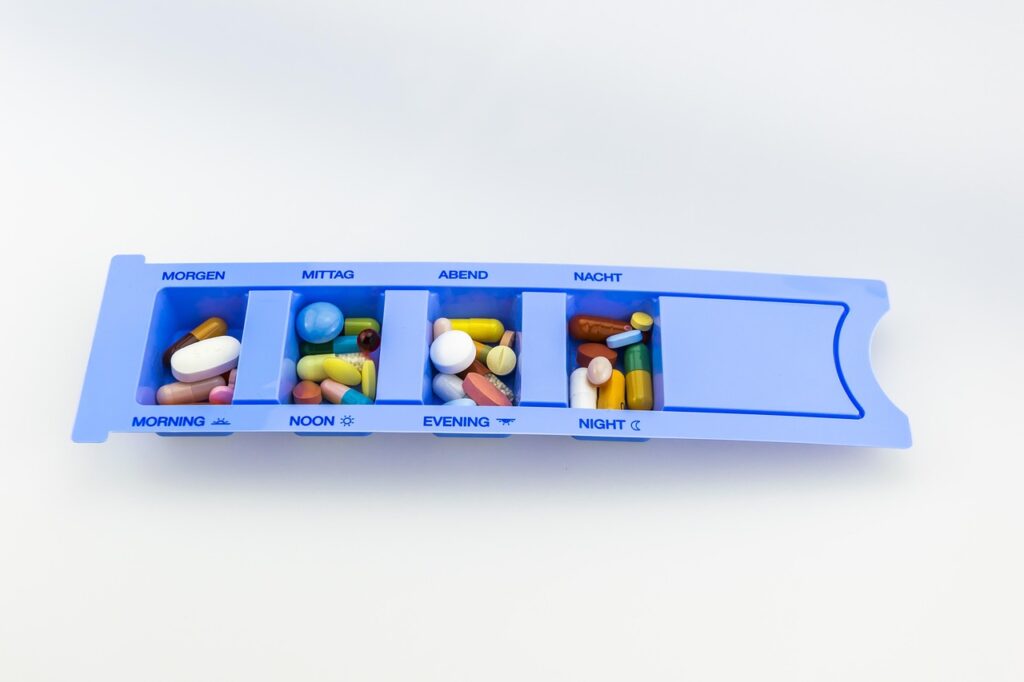
Why regulated products start with classification
Regulated products in healthcare are products whose development, manufacturing, labeling, distribution, promotion, or postmarket monitoring is controlled by law or by a regulatory authority. In practice, compliance starts before any submission is prepared. Teams first need to determine what the product is, what it is intended to do, who will use it, and which jurisdiction will regulate it. A wound dressing, diagnostic software, injectable medicine, cosmetic serum, dietary supplement, and laboratory test may all operate near healthcare, but they do not follow the same regulatory pathway.
For readers tracking healthcare policy and product oversight, our Regulatory section covers related developments across medical products, diagnostics, and compliance frameworks. This article focuses on the classification logic behind regulated products. It is not legal advice for a specific product launch.

What counts as a regulated product in healthcare
In the United States, FDA public materials describe a broad jurisdiction that includes human and veterinary drugs, biological products, medical devices, food, dietary supplements, cosmetics, tobacco products, and electronic products that emit radiation. That scope matters because healthcare-adjacent products are not regulated under one single standard. A product may be regulated because of what it contains, how it works, the claims made for it, or how it is distributed.
Classification problems often start when teams judge a product by appearance rather than intended use. A topical gel may be a cosmetic if it is promoted only for cleansing or beautifying the skin. The same type of product can move toward drug regulation if the marketing claims disease treatment or a physiological effect. Software may be a general wellness tool in one context and a medical device in another if it is intended to diagnose, treat, mitigate, or prevent disease.
| Product type | Common regulatory issue | Why classification matters |
|---|---|---|
| Medical devices | Risk class, intended use, software function, accessories | Determines whether controls, premarket submission, quality system duties, and postmarket reporting apply. |
| Drugs | Active ingredient, therapeutic claims, dosage form, safety and efficacy evidence | Usually requires a drug-specific development and review pathway before marketing. |
| Biologics | Source material, manufacturing controls, potency, purity, safety | Often involves specialized licensing and manufacturing oversight. |
| In vitro diagnostics | Clinical use, risk of incorrect result, laboratory or distributed test model | Controls may depend on whether the product is an IVD kit, instrument, software component, or laboratory service context. |
| Cosmetics and personal care products | Ingredient restrictions, labeling, safety substantiation, claims | Products may be regulated without being preapproved in the same way as drugs or high-risk devices. |
| Dietary supplements | Ingredient status, structure-function claims, labeling disclaimers, safety reporting | Therapeutic disease claims can move a product outside a supplement-style claim framework. |
Approval, clearance, authorization, and registration are not the same
A common source of confusion is the word “approved.” FDA consumer guidance makes clear that registration or listing of a facility, drug, or device does not itself mean FDA has approved the product or the establishment. That distinction matters for websites, distributors, investors, clinicians, and procurement teams reviewing product claims.
In FDA-regulated healthcare, different market status terms carry different meanings. A new drug approval is not the same as a 510(k) clearance for a medical device. Emergency authorization is not the same as routine market approval. Facility registration is not a product endorsement. Even when a product is lawfully marketed, the legal basis for marketing should be described accurately.
- Approved usually indicates that a regulator completed a formal review and made a decision under a specific approval pathway, such as for many drugs and some high-risk devices.
- Cleared is commonly associated with certain medical devices that demonstrate substantial equivalence through the 510(k) pathway.
- Authorized may apply in specific contexts, including emergency use or other defined authorization routes.
- Registered or listed often refers to administrative requirements and should not be presented as proof of product approval.
- CE marked in the European medical device context indicates conformity with applicable EU requirements, but the underlying route and notified body involvement depend on the device type and class.
The risk is not limited to regulator scrutiny. Misusing these terms can mislead customers, clinicians, and business partners. It can also create advertising, labeling, import, and enforcement exposure if the product’s market status is overstated.
Recent regulatory signals that affect healthcare products
Regulated products are not static categories. Definitions, guidance, transition periods, and enforcement priorities can shift. As of September 9, 2026, the following developments remain useful reference points for healthcare teams assessing product classification and compliance planning.
FDA quality system modernization for medical devices
FDA’s Quality Management System Regulation became effective on February 2, 2026. FDA materials explain that the rule amended device current good manufacturing practice requirements in 21 CFR Part 820 and incorporated ISO 13485:2016 by reference, with additional FDA-specific provisions. For medical device manufacturers, quality planning should not be treated as a paperwork exercise at the end of development. Design controls, supplier controls, complaint handling, corrective and preventive action, and management responsibility all affect whether the product can be manufactured consistently and monitored after distribution.
Laboratory developed tests show why boundaries matter
Laboratory developed tests show how regulatory boundaries can become contested. FDA issued a final rule on May 6, 2024, that amended the definition of in vitro diagnostic products to include cases where the manufacturer is a laboratory. On March 31, 2025, a federal district court vacated that rule. FDA later issued a final rule on September 19, 2025, reverting the regulatory text to the version that existed before the May 2024 rule. The takeaway is not that diagnostic oversight disappeared. Product teams still need to distinguish between distributed IVD products, laboratory services, CLIA-related oversight, and jurisdiction-specific requirements before assuming a pathway.
EU medical device and IVD transition periods remain operationally important
In the European Union, the Medical Device Regulation and In Vitro Diagnostic Medical Device Regulation continue to shape conformity assessment strategy, notified body planning, technical documentation, postmarket surveillance, and legacy product management. European Commission materials describe extended transition periods that depend on product type, risk class, certificate status, and conditions. For many medical devices, key transition end dates fall on December 31, 2027 or December 31, 2028. For IVDs, transition dates may extend to December 31, 2027, December 31, 2028, or December 31, 2029, depending on class and eligibility conditions.
| Date | Development | Compliance relevance |
|---|---|---|
| May 6, 2024 | FDA issued the LDT final rule | Raised classification and oversight questions for laboratory-developed test services. |
| March 31, 2025 | Federal district court vacated the FDA LDT final rule | Removed the rule’s planned compliance deadlines and reinforced the importance of statutory authority. |
| September 19, 2025 | FDA reverted the relevant IVD regulation text after the LDT rule vacatur | Clarified the text of the regulation after the court decision. |
| February 2, 2026 | FDA QMSR became effective | Changed the quality system framework for medical device manufacturers subject to Part 820. |
| December 31, 2027 to December 31, 2029 | Major EU MDR and IVDR transition deadlines continue in stages | Manufacturers need class-specific plans for certification, technical files, surveillance, and supply continuity. |
A practical classification workflow before market entry
A useful approach is to separate classification from market strategy. Classification asks what the product legally is. Strategy asks how to bring it to market once that question is answered. Teams that move directly to submission planning may miss a lower-risk route, overlook a combination product issue, or make claims that change the regulatory category. See also: Implants.
- Define the intended use. Write a plain-language statement of what the product is intended to do, who uses it, and in what setting.
- Map the claims. Review labeling, website language, sales materials, investor decks, app store descriptions, and training content. Claims can influence classification.
- Identify the primary mode of action. For products that combine drug, device, and biologic elements, determine which component provides the primary therapeutic effect.
- Check comparable products. Look at regulator databases, classification regulations, guidance, and precedent products, while recognizing that similarity does not automatically create the same pathway.
- Assess jurisdictional differences. A product classified one way in the United States may require a different conformity assessment or claim strategy in the European Union, United Kingdom, China, or other markets.
- Document the rationale. Keep a written classification memo with assumptions, sources, version dates, unresolved questions, and review triggers.
- Reassess when the product changes. New indications, software updates, formulation changes, user populations, or distribution models can change obligations.
This workflow is also useful for publishers, procurement teams, and investors evaluating healthcare product claims. A product description that avoids a clear intended use, overstates approval status, or mixes consumer wellness language with disease-treatment claims deserves closer review.
Compliance does not end at market access
For regulated products, market entry is only one point in the compliance lifecycle. Ongoing duties may include quality management, complaint handling, adverse event reporting, field corrections, recalls, supplier controls, labeling updates, import documentation, cybersecurity monitoring, and periodic review of promotional claims.
The intensity of those duties depends on product type and risk. A high-risk implantable device, prescription biologic, low-risk wellness accessory, cosmetic, and diagnostic assay will not share the same evidence burden. Even so, all regulated product teams benefit from disciplined documentation, change control, and claim review. These controls help organizations explain not only what they did, but why they believed it was appropriate at the time.
Advertising and promotion deserve special attention. A product can move into a more heavily regulated category if promotional materials imply disease diagnosis, treatment, cure, mitigation, or prevention without the corresponding regulatory basis. Compliance review should therefore cover more than package labels. It should include websites, social media posts, distributor scripts, continuing education materials, search ads, and customer support language.
Frequently asked questions
What are regulated products in healthcare?
They are products subject to legal or regulatory controls because of their intended use, ingredients, technology, risk profile, or claims. In healthcare, the term can include drugs, biologics, medical devices, diagnostics, radiation-emitting products, cosmetics, supplements, and some software functions.
Does FDA registration mean a product is approved?
No. FDA public guidance distinguishes registration or listing from product approval. Registration may be an administrative requirement, but it should not be marketed as evidence that FDA has reviewed and approved the product.
Can the same product be regulated differently in different countries?
Yes. Jurisdictions may use different definitions, risk classes, conformity assessment procedures, documentation expectations, and transition rules. A global product plan should compare the United States, European Union, and other target markets rather than assuming one classification applies everywhere.
Why do claims matter so much for regulated products?
Claims describe intended use. A product promoted for general wellness may face one level of oversight, while the same product promoted to diagnose, treat, or prevent disease may trigger medical product regulation. Claims should be reviewed before publication, not after launch.
What is the biggest compliance mistake with regulated products?
The most common mistake is treating classification as a late-stage formality. Product design, evidence generation, labeling, quality systems, market access, and promotional strategy all depend on the initial classification decision and should be revisited when the product or claims change.