
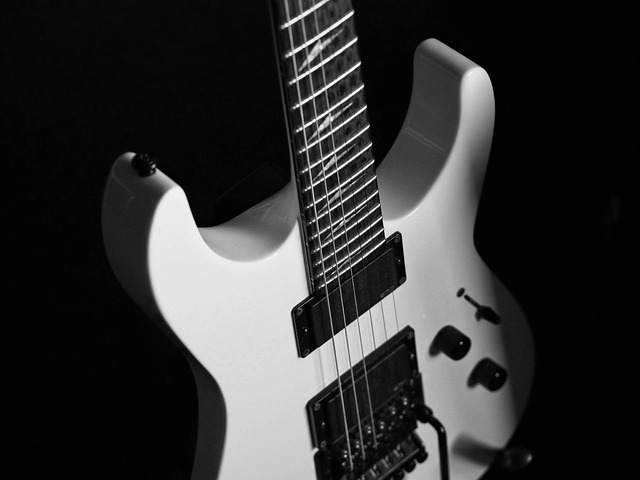
The Electric Guitar Spawned Garage Bands, Rock-God Dreams — and Generations of Popular Music
The electric guitar transformed modern music by merging technology with cultural rebellion. Its amplified voice redefined performance, democratized creativity, and became a global symbol of identity. From its early days in jazz and blues to the rise of garage bands and heavy metal, the instrument’s evolution mirrored social change. Today, even in digital studios, its analog soul continues to shape sound and self-expression across genres.
The Birth of the Electric Guitar and Its Early Cultural Context
Before it became an icon, the electric guitar was a technical solution to a practical problem: volume. The shift from acoustic resonance to electronic amplification opened new artistic possibilities that reshaped both performance and perception.
Technological Innovations That Shaped the Electric Guitar
The transition from acoustic to electric amplification changed performance dynamics by enabling musicians to project sound over larger audiences without losing tonal clarity. Companies such as Rickenbacker, Gibson, and Fender pioneered magnetic pickups that converted string vibrations into electrical signals. Solid-body construction reduced feedback, allowing higher volume and sustain. These innovations not only improved functionality but also standardized the sonic character that defined mid-century popular music.
The Electric Guitar’s Entry into Popular Music Culture
Amplification allowed guitarists to compete with brass and percussion sections in big bands, altering ensemble hierarchies. Early adopters in jazz like Charlie Christian demonstrated its melodic potential, while blues and country players exploited its emotional range. By the 1950s, the instrument symbolized modernity—sleek design meeting youth rebellion—and became central to postwar cultural identity.
The Rise of Garage Bands: Democratization of Rock Expression
As production scaled up in the 1950s and 1960s, electric guitars became accessible to teenagers who had grown up hearing rock on radio. This affordability shifted creative power from record executives to small-town musicians experimenting in their parents’ garages.
Accessibility and Affordability of Electric Guitars in the 1950s–60s
Mass production lowered costs dramatically. Affordable amplifiers meant that aspiring musicians could form bands with minimal investment. Cheap models like Fender’s Mustang or Harmony’s Silvertone flooded department stores. This economic shift allowed working-class youth to participate directly in music creation rather than remain passive consumers.
Sound Aesthetics and Performance Ethos of Garage Bands
Garage bands prized raw energy over technical polish. Distortion, feedback, and simple power chords became aesthetic choices rather than flaws. Limited formal training encouraged experimentation—what mattered was attitude and immediacy. Local radio stations promoted regional acts, while independent labels captured this rough vitality on inexpensive recordings that fueled rock’s underground growth.
Redefining Rock Through Amplified Identity and Sonic Innovation
By the late 1960s, the electric guitar was more than an instrument; it was an extension of personality. Players sculpted tone like painters mixing color, using amplification as both tool and weapon.
The Electric Guitar as a Vehicle for Individual Expression
Tone manipulation gave each guitarist a distinct voice—think biting treble versus warm sustain. Feedback control turned noise into expression; effects pedals expanded textures beyond natural acoustics. Virtuosity merged with showmanship as stage personas—from Hendrix’s flamboyance to Clapton’s restraint—embodied different philosophies of sound.
Shaping the Evolution of Rock Subgenres Through Guitar Techniques
Blues-Rock Foundations
Amplified blues phrasing laid rock’s groundwork. Musicians fused traditional twelve-bar structures with aggressive attack, creating emotional intensity that bridged rural roots with urban energy.
Psychedelic Expansion
Fuzz pedals, wah-wah filters, and tape delay produced swirling soundscapes matching 1960s counterculture aesthetics. Improvisation blurred boundaries between composition and performance.
Hard Rock and Heavy Metal Emergence
High-gain amplification introduced dense riffs and sustained distortion that defined heavier subgenres. Technical precision combined with rhythmic weight created a new language for musical power.
Cultural Symbolism: The Electric Guitar as Icon of Rebellion and Identity
Beyond sound, the electric guitar carried visual symbolism—its curves, colors, and stance projected defiance against conformity.
Visual and Social Dimensions of the Instrument’s Symbolism
On stage, guitars became extensions of body language: slung low for swagger or raised high for drama. Designs like the Stratocaster or Les Paul came to signify not just brands but lifestyles—modernity versus tradition, innovation versus heritage. Media imagery linked these instruments with freedom movements from London clubs to American protests.
Gender, Class, and Race Dynamics in Electric Guitar Culture
Initially dominated by white male performers, electric guitar culture gradually diversified as women like Sister Rosetta Tharpe or later Joan Jett challenged stereotypes. Affordable instruments blurred class divisions; access no longer required conservatory training or elite networks. Artists of color integrated cultural narratives often overlooked by mainstream rock history.
Legacy: From Analog Roots to Digital Reinvention
Even as technology evolves, the essence of electric guitar artistry persists—a blend of tactile control and emotional immediacy unmatched by purely digital tools.
Technological Continuity in Modern Music Production
Digital modeling now replicates classic amplifier tones once achievable only through bulky gear. Software plug-ins emulate vintage circuits while offering flexibility for home producers working on laptops instead of studios filled with tubes and cables.
Influence on Contemporary Genres Beyond Rock
Electronic musicians sample guitar timbres for hybrid textures; indie scenes revive lo-fi garage aesthetics through streaming platforms instead of local radio. Despite automation trends in production, live performance still relies heavily on guitars for authenticity—the sight of strings vibrating under stage lights remains irreplaceable.
FAQ
Q1: When was the first commercially successful electric guitar introduced?
A: The Rickenbacker “Frying Pan,” released in 1932, is widely recognized as the first commercially viable electric guitar model using magnetic pickups.
Q2: Why did solid-body construction become important?
A: It minimized feedback at high volumes, allowing clearer tone control during amplified performances—a breakthrough essential for rock development.
Q3: How did garage bands influence later punk movements?
A: Their DIY ethic inspired punk’s raw simplicity; many early punk acts cited 1960s garage records as direct predecessors.
Q4: What role do effects pedals play today?
A: They remain crucial tools for shaping tone; digital versions now simulate hundreds of analog effects within compact processors used both live and in studios.
Q5: Is the electric guitar still relevant in modern pop?
A: Absolutely—it continues to appear across genres from hip-hop samples to synth-pop collaborations because its expressive range complements digital production rather than competing with it.